| Small Orifice Air Release Valve | Automatically releases small pockets of accumulated air while the pipeline remains pressurized. | Pressurized water transmission, distribution, irrigation, and building water systems. | High points, long ascending pipeline sections, downstream of pumps, and locations where air can accumulate. | Typically DN15–DN50 (½–2 in) | Commonly PN10–PN40 or approximately Class 150–300, depending on design. | Ductile iron, cast iron, stainless steel, carbon steel, or engineered polymers. | Compact design; effective continuous air release; helps reduce flow restriction and corrosion caused by trapped air. | Does not provide sufficient air intake during pipeline draining or large-volume air discharge during filling. | Air-release capacity, operating pressure, water quality, connection standard, and float reliability. |
| Large Orifice Air and Vacuum Valve | Discharges large volumes of air during pipeline filling and admits air during draining or negative-pressure events. | Water mains, raw-water pipelines, pumping stations, and long-distance conveyance systems. | Pipeline summits, abrupt changes in elevation, pump discharge lines, and locations vulnerable to column separation. | Typically DN50–DN300 (2–12 in); larger sizes are also available. | Commonly PN10–PN25 or approximately Class 150, subject to the pipeline design. | Ductile iron, carbon steel, stainless steel, and corrosion-resistant internal components. | Protects against vacuum conditions; supports controlled filling and draining; reduces the risk of pipe collapse and water-column separation. | May discharge water if incorrectly sized or installed; requires adequate clearance and proper chamber drainage. | Large-orifice airflow, vacuum-breaking capacity, closing characteristics, surge conditions, and chamber design. |
| Combination Air Valve | Combines continuous air release, large-volume air discharge, and large-volume air admission in one assembly. | General water infrastructure where a single valve must cover multiple air-management functions. | High points, pump stations, treatment-plant pipelines, and long pipelines with changing hydraulic profiles. | Typically DN50–DN300 (2–12 in) | Commonly PN10–PN40 or approximately Class 150–300. | Ductile iron, cast iron, carbon steel, stainless steel, or composite materials. | Versatile; reduces the number of separate valves; suitable for both pressurized and transient operating conditions. | Usually larger and heavier than a dedicated small-orifice valve; sizing must account for both air release and air admission. | Required air-flow rates, maximum and minimum pressure, surge analysis, water quality, and maintenance access. |
| Wastewater Air Valve | Releases and admits air in sewage force mains while reducing the risk of fouling and leakage of foul gases. | Sewage rising mains, wastewater pumping systems, and pressurized effluent pipelines. | High points, long force mains, changes in slope, and locations identified by hydraulic analysis. | Typically DN50–DN300 (2–12 in) | Commonly PN10–PN25 or approximately Class 150. | Epoxy-coated ductile iron, stainless steel, or corrosion-resistant engineered materials. | Designed for wastewater environments; may include anti-slam, non-clogging, or odor-control features. | Raw sewage can foul moving parts; odor, hydrogen sulfide corrosion, and cleaning requirements must be addressed. | Non-clogging geometry, sewage compatibility, odor control, full-bore performance, and maintenance procedures. |
| Non-Slam Air Valve | Controls air discharge and admission to limit sudden float closure, pressure surges, and water hammer. | High-risk water pipelines, pump discharge systems, steep terrain pipelines, and networks with frequent transients. | Near pumps, high points, long downhill sections, and locations with rapid changes in flow velocity. | Typically DN50–DN300 (2–12 in) | Commonly PN10–PN40 or approximately Class 150–300. | Ductile iron, carbon steel, stainless steel, and elastomer-lined components. | Helps moderate transient pressures; reduces abrupt air-pocket collapse and valve-closing impact. | More complex and usually more expensive than standard air valves; performance depends on correct hydraulic sizing. | Transient analysis, closing time, throttling characteristics, airflow capacity, and pipeline profile. |
| High-Pressure Air Valve | Performs air release and air admission duties in systems operating at elevated pressure. | High-pressure water transmission, industrial process water, boiler-feed-related services, and energy infrastructure. | Pipeline high points, pump discharge headers, pressure zones, and high-elevation sections. | Typically DN25–DN200 (1–8 in) | Often PN40–PN100 or approximately Class 300–600; verify the actual rated design. | Forged or cast carbon steel, stainless steel, alloy steel, and high-performance elastomers. | Suitable for high system pressure; robust body and trim options; supports demanding pressure classes. | Higher purchase and maintenance cost; installation and testing requirements are more demanding. | Pressure class, hydrostatic test requirements, material toughness, temperature, and applicable piping code. |
| Vacuum Breaker / Vacuum Relief Valve | Admits atmospheric air when internal pressure falls below the valve’s set point, protecting equipment from excessive vacuum. | Storage tanks, heat exchangers, pipelines, irrigation systems, and vessels exposed to draining or cooling vacuum. | Tank tops, high points, suction lines, discharge lines, and equipment requiring vacuum protection. | Typically DN15–DN200 (½–8 in) | Usually low-pressure service; set vacuum levels vary by system design. | Bronze, stainless steel, ductile iron, carbon steel, or reinforced polymers. | Simple vacuum protection; prevents tank implosion and pipeline deformation during draining or cooling. | Usually does not replace a complete air-release and air-admission valve for large water pipelines. | Required air-admission rate, set vacuum pressure, discharge direction, contamination protection, and backflow requirements. |
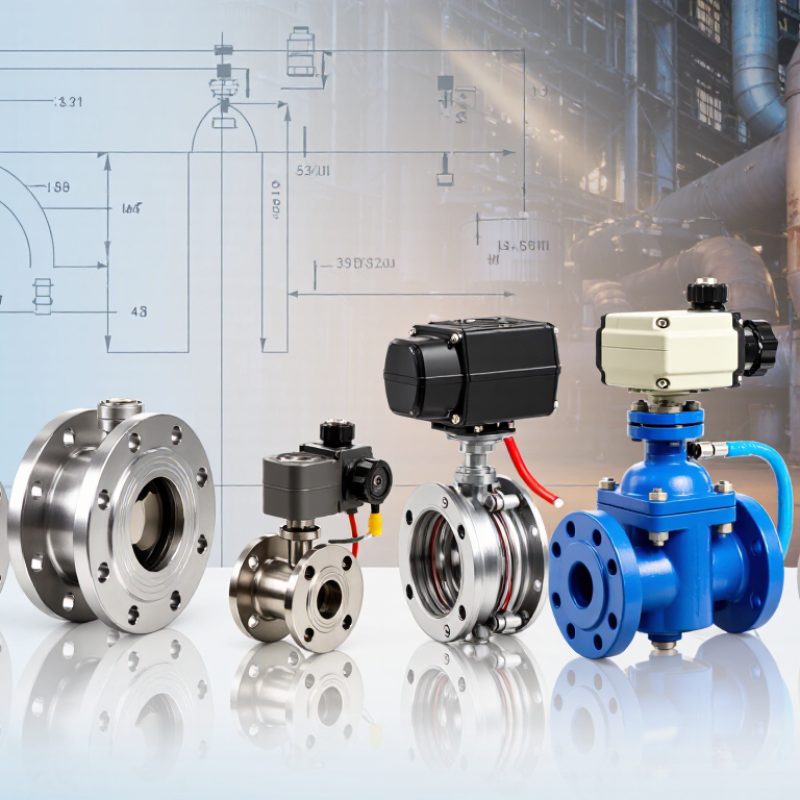
| Pneumatic or Motor-Operated Air Control Valve | Modulates or isolates air flow through an actuator-controlled valve as part of an automated process-control system. | Industrial process lines, compressed-air systems, chemical plants, filtration systems, and automated water treatment. | Process skids, control stations, compressor systems, treatment units, and remotely operated valve chambers. | Typically DN15–DN600 (½–24 in) | Depends on valve design; commonly low to medium pressure, with higher classes available. | Stainless steel, carbon steel, ductile iron, aluminum, bronze, or engineered plastics. | Remote operation; adjustable control; easy integration with PLC, SCADA, positioners, and safety systems. | Requires instrumentation, power or control air, commissioning, and periodic actuator maintenance. | Control accuracy, fail position, actuator torque, response time, signal type, media compatibility, and hazardous-area requirements. |
| Sanitary Air Valve | Controls or releases air in hygienic processes while minimizing contamination traps and retaining cleanability. | Food and beverage, pharmaceutical, biotechnology, and hygienic liquid-processing systems. | Process vessels, hygienic transfer lines, clean-in-place systems, sterile-air interfaces, and tank assemblies. | Typically DN15–DN100 (½–4 in) | Commonly low to medium pressure; final limits depend on the hygienic valve construction. | 316L stainless steel, sanitary elastomers, and polished hygienic internal surfaces. | Cleanable design; low dead volume; suitable for hygienic and clean-in-place processes. | Higher cost; requires strict material, surface-finish, gasket, and cleaning validation controls. | Surface finish, hygienic connection, elastomer compatibility, sterilization temperature, drainability, and certification needs. |
| Corrosion-Resistant Air Valve | Manages air in systems containing corrosive fluids, saline water, chemicals, or aggressive atmospheric conditions. | Desalination, seawater intake, chemical processing, mining water, and industrial wastewater systems. | Exposed pipeline high points, chemical dosing areas, coastal installations, and corrosive process sections. | Typically DN25–DN300 (1–12 in) | Commonly PN10–PN40 or approximately Class 150–300, depending on construction. | Duplex or super duplex stainless steel, 316L stainless steel, coated ductile iron, plastics, and corrosion-resistant alloys. | Improved resistance to chloride attack, chemical exposure, and aggressive environments when correctly specified. | Material selection can significantly increase cost; compatibility must be checked against the actual fluid and concentration. | Chloride level, pH, temperature, chemical concentration, galvanic compatibility, coating system, and inspection requirements. |
| Irrigation Air Valve | Releases air during operation and admits air during shutdown, draining, or negative-pressure conditions in irrigation networks. | Agricultural irrigation, sprinkler networks, drip-irrigation mainlines, and reclaimed-water irrigation. | High points, field branches, long laterals, pump discharge lines, and changes in elevation. | Typically DN25–DN150 (1–6 in) | Commonly PN6–PN25 or approximately Class 125–150. | Reinforced nylon, glass-filled polymer, PVC-compatible materials, ductile iron, and stainless steel. | Lightweight options; helps maintain hydraulic efficiency and limits vacuum damage in uneven terrain. | Low-cost polymer designs may have lower temperature, impact, and pressure resistance than metal valves. | Water quality, filtration, pressure fluctuations, UV exposure, installation orientation, and seasonal drainage needs. |