| Mobile wet-mix plant | Approximately 25–90 m³/h | Concrete is mixed in a central mixer before discharge into transit mixers. | Relatively quick relocation; modular equipment can reduce transport and setup complexity. | Transport dimensions and weight, setup requirements, mixer capacity, aggregate-bin arrangement, and availability of local service support. | Temporary projects, remote sites, and contractors who need to move production between locations. |
| Compact stationary wet-mix plant | Approximately 25–60 m³/h | Centralized batching and mixing, often with a smaller storage and feeding system. | Space-efficient layout and straightforward operation for lower-volume production. | Aggregate-bin capacity, cement-storage provision, access for delivery vehicles, dust control, and room for future expansion. | Small ready-mix operations, constrained sites, and projects with moderate daily demand. |
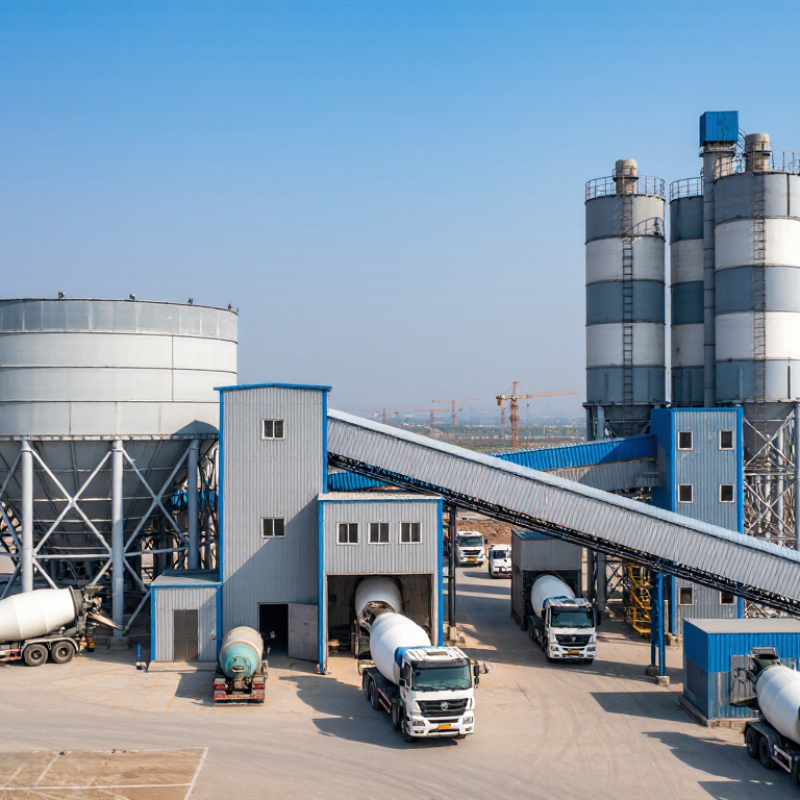
| Medium stationary wet-mix plant | Approximately 60–120 m³/h | Central mixer combines accurately weighed aggregates, cementitious materials, water, and admixtures. | Balances production volume, batching control, and the ability to supply several regular customers. | Independent weighing systems, moisture measurement or correction, mixer access for maintenance, and automated batch records. | Established ready-mix businesses and regional construction markets with consistent demand. |
| High-output stationary wet-mix plant | Approximately 120–240 m³/h | High-capacity central mixing, commonly supported by larger storage, feeding, and truck-loading systems. | Designed for sustained output when materials, truck dispatch, and site logistics can keep pace. | Verified cycle time, number and capacity of aggregate bins, cement-silo arrangement, truck-loading capacity, backup systems, and maintenance access. | Large infrastructure projects and high-volume markets with reliable material supply and fleet capacity. |
| Dry-batch ready-mix plant | Approximately 60–180 m³/h, depending on configuration | Materials are weighed and loaded into the transit mixer; final mixing takes place in the truck drum. | Can use a simpler plant layout because there is no central concrete mixer. | Truck loading accuracy, batching sequence, moisture compensation, transit-mixer availability, and procedures for consistent mixing during transport. | Markets where truck mixing is established and transit mixers can reliably complete the required mixing cycle. |