2026 Best Fiber Disc for Metal Grinding
Choosing the best Fiber Disc for metal grinding in 2026 depends on the job, not just the label. A disc that removes weld spatter quickly may leave a rough finish or run too hot on thin steel. The right choice balances cutting speed, service life, surface quality, and control. Small differences matter.
This guide compares the factors that shape performance, including abrasive type, grit size, backing strength, and disc diameter. It also considers how the tool, speed rating, and workpiece affect results. In practical use, steady pressure and a firm grip can help prevent uneven scratches and premature wear. Heat matters. A disc that suits stainless steel may not be the best option for painted metal or softer alloys. Check the product’s stated limits and your grinder’s compatibility before use. Protective equipment and sensible operating practices remain essential.
There is no single winner for every workshop. A coarse grit can save time during stock removal, while a finer grit may make blending easier. But the trade-off is real: faster cutting can mean more surface cleanup. This overview aims to make those choices clearer, with attention to common grinding needs rather than bold, unsupported claims. Some specifications still need checking against the manufacturer’s current data. That part is easy to overlook.
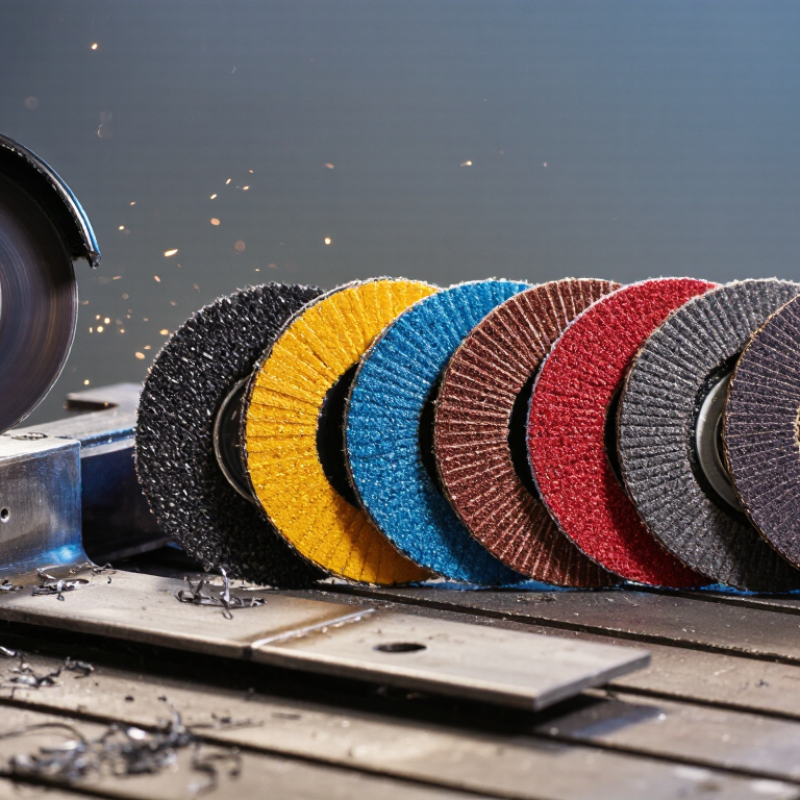
What Fiber Discs Are and How They Grind Metal
A fiber disc is an abrasive wheel-shaped sheet with a tough vulcanized-fiber backing. Its abrasive grains are bonded to the surface with resin. On an angle grinder, the disc sits against a compatible backing pad and spins across the metal. The grains cut away small fragments, helping remove weld marks, rust, scale, and sharp edges. The backing gives the disc enough stiffness for controlled grinding, yet it can flex slightly over curved work. Keep the grinder moving. A stationary disc can leave a deep gouge or create a hot spot.
Disc performance depends on grain type, grit, pressure, and tool speed. Coarse grits remove material quickly, while finer grits reduce scratch depth before finishing. On steel, steady, moderate pressure usually works better than forcing the disc into the surface. Watch the sparks and the metal color; excessive heat can discolor the workpiece. Let the abrasive do the cutting. It is easy to assume a newer disc will fix uneven results, but poor angle or a worn backing pad may be the real cause. Inspect the disc for cracks or damage, use the speed range specified for the disc, and wear eye, hearing, and respiratory protection. Small details matter. A clean test pass on scrap can reveal whether the grit is too aggressive.
2026 Best Fiber Disc for Metal Grinding
What Fiber Discs Are and How They Grind Metal
A fiber disc combines abrasive grains with a reinforced fiber backing and is commonly used with an angle grinder to remove material, blend welds, or prepare metal surfaces. Coarser grains remove material more aggressively; finer grains produce a smoother finish. The chart shows approximate nominal grain sizes for selected FEPA P-grades—not a performance ranking. Actual results depend on abrasive type, grinder speed, pressure, and workpiece material.
Grain sizes are approximate nominal FEPA P-grade values, in micrometres (µm).
Disc Materials, Abrasive Types, and Grit Levels
Fiber discs use a stiff vulcanized-fiber backing that holds abrasive grains against a supporting pad. The backing helps maintain firm contact on welds and flat steel surfaces, but it needs a compatible backing pad and grinder. Aluminum oxide is a practical choice for general steel work. Zirconia alumina can suit heavier grinding and higher pressure, while ceramic alumina often cuts aggressively on stainless steel and hard alloys. Grain choice matters. So does pressure.
Grit determines how much material comes off and how visible the scratches remain. Grit 24 or 36 can remove welds and scale quickly, but may leave deep marks that need extra blending. Grit 60 or 80 offers more control for shaping and scratch refinement. Grit 120 can help prepare a surface for a finer finish, though it is not a substitute for polishing. A finer disc may seem safer, yet it can load up when used on soft metal.
Match the disc to the task, not just the metal. A small test pass on a scrap piece can reveal whether the grain cuts cleanly or smears the surface. Check the disc for damage, follow its rated speed, and keep the grinder moving to limit heat buildup. One easy mistake is pressing harder when a disc slows down. Sometimes the grit is simply too fine, or the disc is worn.
How to Choose a Fiber Disc for Each Metalworking Task
Choosing a fiber disc starts with the metal and the task, not just the grit. For heavy weld removal on carbon steel, a coarse ceramic or zirconia-alumina abrasive can cut quickly with steady, moderate pressure. A 36- or 40-grit disc leaves deep scratches, so plan for a finer pass before finishing. On stainless steel, use a disc suitable for stainless and keep it separate from carbon-steel tools to reduce contamination. Check the label.
For shaping edges or removing mill scale, 60–80 grit often gives better control than a very coarse disc. Fine grits, such as 120, can blend scratches, but may load quickly on soft aluminum. Choose a disc and backing pad rated for your grinder, and never exceed the disc’s marked speed. Keep the grinder moving; lingering in one spot can discolor steel or round an edge. Start gently.
Inspect the disc for cracks, wear, or a loose center before use. Wear eye, hearing, and respiratory protection, and keep the grinder guard installed. A small test area can reveal how the abrasive behaves on your specific workpiece. Grit charts are useful, but not exact: alloy, disc condition, and tool angle all affect the finish. Record the results and adjust one variable at a time.
Comparing Top Fiber Disc Features for 2026
2026 Best Fiber Disc for Metal Grinding
Comparing Top Fiber Disc Features for 2026
Choosing a fiber disc for metal grinding in 2026 means comparing more than grit numbers. Grain type affects cutting speed, heat, and service life. Aluminum oxide can suit routine steel work; zirconia or ceramic grains may cut more consistently under demanding use. Yet no grain wins on every job. The alloy, grinder power, and operator pressure all matter.
Backing stiffness changes how a disc feels on an edge. A firm backing helps keep a flat weldment even, while a more flexible disc can follow curved surfaces. Check the disc’s rated speed and hole pattern against the grinder before mounting it. Fit matters. A coarse grit removes material quickly but leaves deeper scratches. A finer grit gives a smoother finish and may need more passes. That trade-off is easy to underestimate.
Compare heat control and wear, too. A disc that cuts freely can reduce dwell time, but excessive pressure still creates heat and shortens disc life. Inspect wear during a test pass; glazing, vibration, or uneven contact may signal a mismatch or technique issue. Keep the workpiece clamped, and use the guard and suitable eye and respiratory protection. Those checks are unglamorous. They help. I would not choose by advertised lifespan alone; results vary with steel grade, contact angle, and operator consistency. Even careful comparisons leave some uncertainty.
Safe Use, Storage, and Disc Replacement
Before mounting a fiber disc, switch off and unplug the grinder. Check that the disc diameter, backing pad, and maximum speed rating match the tool. Never exceed the disc’s marked RPM. Look for tears, creases, loose abrasive, or a damaged center hole. Even a small defect can worsen under rotation. Small checks matter.
Keep the guard in place and wear eye and hearing protection. Use a suitable dust mask when grinding creates airborne particles. Hold the tool firmly, and avoid pressing hard to compensate for a slow cut. If the disc vibrates, sounds unusual, or slips, stop and inspect it. A noisy workshop can make a fine crack easy to miss; I would rather pause than guess.
Store discs flat in their original packaging, away from moisture, heat, and direct sunlight. Keep heavy tools off them, since pressure can warp the backing. Keep it dry. Replace a disc when it is worn, damaged, or no longer cuts evenly. Disconnect power before changing it, and follow the grinder and disc instructions for fitting. Tighten the backing pad securely, then check the guard and disc position before restarting. Do not try to extend a disc’s life by forcing it through the work.
