| Decorative Sconce | Living rooms, bedrooms, corridors, restaurants, hotels, and reception areas. | 300–800 lumens per fitting | 2,700–3,000 K for warm ambience; 3,000–3,500 K for hospitality and retail. | Usually IP20 for dry indoor locations. | Integrated LED models commonly provide approximately 25,000–50,000 operating hours. Dimmability depends on the driver and wall-control system. | Requires a wall back box or suitable mounting plate, electrical wiring, and a compatible driver. Confirm local voltage and wiring regulations. | Switch off power before cleaning. Dust the shade and housing with a dry or slightly damp soft cloth. Replace the driver or complete fitting if the integrated LED module fails. | Interior appearance and comfortable indirect or diffused light are more important than high brightness. |
| Up-and-Down Wall Light | Exterior façades, entrance walls, staircases, corridors, and architectural feature lighting. | 500–1,500 lumens per fitting | 2,700–3,000 K for residential façades; 3,000–4,000 K for commercial architecture. | IP44 for sheltered areas; IP65 or higher for exposed outdoor locations. | LED designs reduce energy use compared with equivalent halogen fittings. Beam angle and wall color strongly affect the visible light pattern. | Use outdoor-rated cable glands, sealed mounting surfaces, and corrosion-resistant fixings. Install with light directed away from drivers and windows to reduce glare. | Inspect seals, cable entries, and water drainage at least annually. Remove dirt and salt deposits from the lens and housing. | A buyer needs both façade decoration and practical vertical illumination. |
| Picture and Accent Light | Art, photographs, shelves, display cabinets, museums, galleries, and retail merchandising. | 200–700 lumens per fitting | 2,700–3,500 K; choose high color-rendering LED with CRI 90 or above for artwork and merchandise. | Usually IP20 for indoor use. | Low power consumption is typical. Adjustable heads or linear optics help control glare and light spill. | Mount above or beside the display. Plan the position to avoid reflections on glass and keep the light source outside the viewer’s direct line of sight. | Clean the lens and artwork area regularly. Check the hinge, arm, and aiming mechanism for looseness. | Accurate color appearance, controlled beam distribution, and low glare are priorities. |
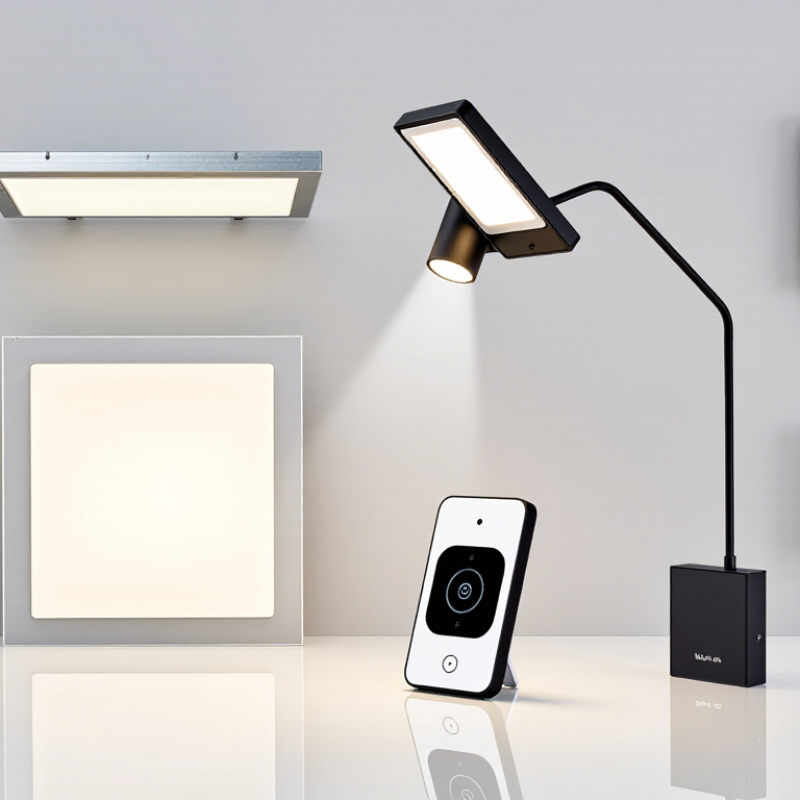
| Swing-Arm or Reading Light | Bedside reading, home offices, libraries, lounges, and hotel rooms. | 300–800 lumens per fitting | 2,700–3,000 K for bedrooms; 3,000–4,000 K for focused reading and work areas. | Usually IP20 for dry indoor locations. | Many models include an integrated switch, USB charging, or adjustable dimming. A replaceable LED lamp can simplify future servicing. | Fix securely to a stud, reinforced wall panel, or approved electrical box. Allow sufficient clearance for the arm’s movement. | Check screws and joints periodically. Keep the shade and ventilation openings free from dust. | Users need task lighting that can be positioned without installing a table lamp. |
| Bathroom and Mirror Light | Bathrooms, washrooms, vanity areas, dressing rooms, and hospitality suites. | 600–1,200 lumens per fitting | 3,000–4,000 K; CRI 80 minimum is common, while CRI 90 or above improves skin-tone and makeup visibility. | IP44 or higher, subject to the installation zone and local electrical code. | Use moisture-resistant LED drivers. Select a dimmable model only when the driver, switch, and control system are compatible. | Follow bathroom zones and required separation from water outlets. Use residual-current protection where required by local regulations. | Clean condensation, soap residue, and water spots. Check gaskets and moisture seals during routine electrical inspections. | Even facial illumination, moisture resistance, and safe installation are essential. |
| Outdoor Bulkhead Light | Garages, porches, service entrances, walkways, utility areas, and coastal or industrial sites. | 600–1,800 lumens per fitting | 3,000–4,000 K for comfortable outdoor visibility; 4,000–5,000 K for utility areas where higher visual contrast is needed. | IP65 is widely used for exposed outdoor locations; select impact resistance suitable for the site. | Designed for continuous outdoor use. LED service life is commonly rated at approximately 25,000–50,000 hours, depending on heat, driver quality, and operating conditions. | Use a level, sealed mounting surface and outdoor-rated cable entry. Avoid trapping water behind the fitting. | Remove dust, insects, and leaves from the diffuser. Inspect corrosion, seals, and mounting hardware, especially in humid or coastal environments. | Durability, weather resistance, and reliable general-purpose illumination are more important than decorative styling. |
| Recessed Step and Stair Light | Staircases, corridors, landscape walls, pathways, hotels, and residential safety lighting. | 50–300 lumens per fitting | 2,700–3,000 K for residential comfort; 3,000–4,000 K for commercial circulation areas. | IP44 indoors; IP65 or higher for exposed outdoor installation. | Low wattage and long operating life make these suitable for dusk-to-dawn or sensor-controlled operation. | Requires accurate cut-out dimensions, suitable wall depth, and accessible driver placement. Plan spacing to avoid dark spots and glare. | Keep the faceplate clean and verify that sensors or timers operate correctly. Replace damaged seals promptly. | Low-level guidance and safe movement are required without excessive brightness or glare. |
| Solar LED Wall Light | Garden paths, fences, remote entrances, sheds, patios, and locations where mains wiring is difficult. | 100–800 lumens per fitting, depending on battery capacity and operating mode | 3,000–6,500 K; warmer light generally produces a softer appearance. | IP44 for sheltered areas; IP65 is preferable for fully exposed installations. | Output depends on sunlight, panel angle, battery capacity, temperature, and motion-sensor settings. Batteries commonly require replacement after several years, depending on chemistry and climate. | Position the solar panel away from shade and orient it according to local sunlight conditions. Avoid placing it near strong artificial light that can confuse the sensor. | Clean the panel several times a year and remove leaves or snow. Check battery performance before winter and replace the battery when runtime becomes inadequate. | Mains cabling is unavailable, expensive, or undesirable and moderate night-time illumination is sufficient. |
| Linear LED Wall Washer | Commercial façades, retail interiors, galleries, hospitality spaces, and large architectural surfaces. | 1,000–4,000 lumens per metre, depending on optics and mounting distance | 2,700–4,000 K for architectural ambience; tunable-white options may cover a wider range. | IP20 indoors; IP65 or higher for exposed outdoor systems. | Good optical efficiency is available with LED systems. Continuous operation requires adequate heat dissipation and a correctly sized driver. | Provide precise alignment, expansion allowance for long runs, accessible drivers, and suitable structural support. Coordinate with the control protocol before installation. | Clean lenses and inspect connectors, end caps, and drainage. Check alignment after building movement or maintenance work. | Uniform illumination of long walls or architectural surfaces is needed. |