Selecting a stationery hardware manufacturer in 2026 requires more than comparing unit prices. Buyers should examine material quality, production control, and evidence of consistent performance. Ask for samples from different production batches. One sample proves little.
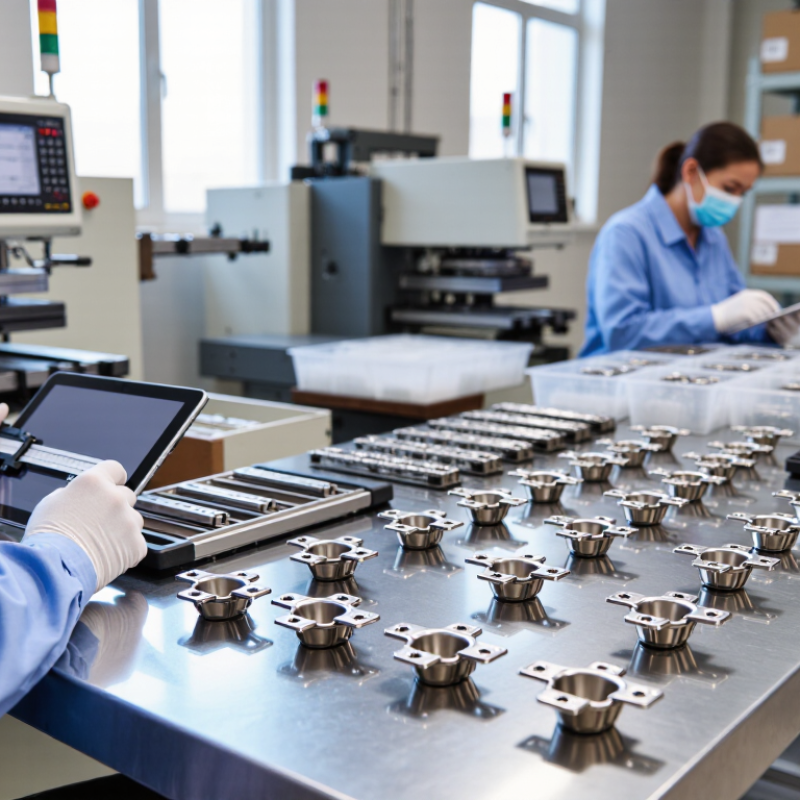
For binders, clips, rings, and fastening mechanisms, check metal thickness, coating adhesion, edge safety, and opening strength. Request dimensional tolerances for every critical part. A reliable factory should explain inspection points clearly. It should also provide traceability from incoming materials to packed cartons. During supplier visits, observe storage conditions, calibration records, and operator training. Clean floors help, but documented processes matter more. Ask how defects are isolated. Then ask what happens when a shipment fails inspection.
Capacity deserves practical testing. Review current production schedules, backup equipment, tooling ownership, and maintenance routines. A manufacturer may promise high output, yet seasonal demand can expose weak planning. Request a pilot order before signing a large contract. Compare defect rates, lead times, packaging damage, and response speed. The cheapest quote is rarely the lowest total cost. Hidden rework hurts.
Communication is another buyer criterion. Choose a partner that confirms drawings, tolerances, packaging details, and approval stages in writing. Check compliance documents for relevant markets, including material declarations and workplace standards. Sustainability claims need measurable evidence, such as recycled content records or energy data. I have seen polished presentations hide incomplete answers. That is a warning. Leave room for review. Even strong suppliers can miss a specification when buyers provide vague artwork or rushed deadlines. Clear documents protect both sides.