2026 Top 3D Rendering Demo Trends for Global Buyers
Global buyers now expect more than polished images from a 3D Rendering Demo. They want evidence that a product can be understood, configured, and trusted before purchase. In 2026, the strongest demonstrations will connect visual quality with practical buying decisions. Real-time rendering, interactive product configuration, immersive showrooms, and AI-assisted scene generation are shaping this shift.
Clarity matters more than spectacle. A buyer comparing industrial equipment may need to inspect material finishes, connection points, and operating space. A furniture retailer may study lighting, scale, packaging, and room compatibility. These details reduce uncertainty across language and distance. They also help sales teams explain products consistently.
Small details decide credibility.
However, technology alone does not guarantee a reliable demonstration. Some AI-generated scenes still misrepresent proportions, reflections, or product functions. Interactive experiences can also become slow on ordinary devices. These weaknesses deserve honest testing, not attractive excuses. Experienced studios should document source data, rendering limits, device performance, and revision procedures. Independent reviews and accurate specifications further strengthen buyer confidence.
This guide examines three leading 3D Rendering Demo trends for global buyers in 2026. It considers where each trend creates measurable value, where implementation becomes difficult, and how companies can avoid expensive visual mistakes. The aim is not to promise perfect digital experiences. It is to identify practical methods that support clearer communication, stronger trust, and more informed purchasing decisions.
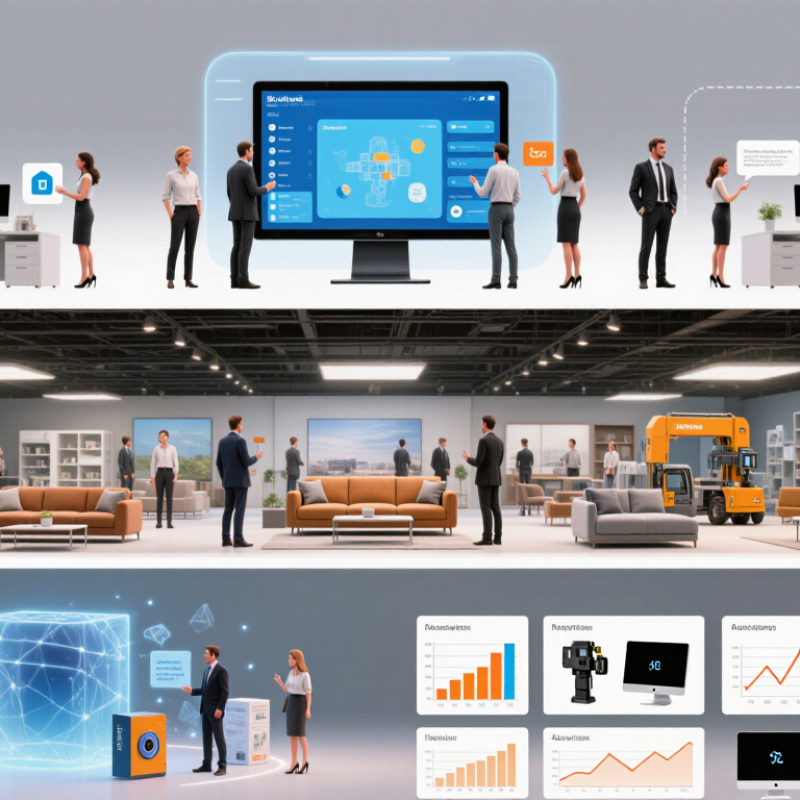
What 3D Rendering Demos Are and Why They Matter in 2026
2026 Top 3D Rendering Demo Trends for Global Buyers
A 3D rendering demo is a short visual test that presents a product, space, or technical concept. It may show materials, lighting, movement, scale, or interactive controls. In 2026, strong demos are becoming more practical and measurable. Buyers want more than attractive images. They need to see how a surface reacts to daylight, how parts fit together, and how quickly scenes load on ordinary devices.
A reliable demo should explain its production conditions. It should identify the software workflow, output resolution, render time, and asset limitations. Side-by-side views can reveal differences between real-time and high-quality rendering. A kitchen model, for example, may show cabinet texture, metal reflection, shadow softness, and camera movement. These details help global buyers judge visual accuracy before requesting a full project. Clear documentation also reduces misunderstandings across languages and time zones.
Not every polished demo proves professional capability. That matters. A dramatic camera move can hide weak geometry or incorrect proportions. Buyers should request multiple angles, close views, and one unedited test scene. They should also check whether lighting is physically believable. In my view, interactive demos deserve careful testing, but they are not automatically better. Some load slowly or distract users from essential product details. A modest demo with honest limits may offer stronger evidence than a spectacular presentation. Mistakes can still appear. Careful review remains necessary.
Top 3D Rendering Demo Styles for Global Buyers
2026 Top 3D Rendering Demo Trends for Global Buyers
Global buyers now expect 3D rendering demos to explain products quickly and clearly. The strongest style combines realistic materials, accurate scale, and smooth camera movement. Product walkthroughs work well for furniture, machinery, lighting, and architectural components. Viewers can inspect hinges, surfaces, shadows, and internal structures without requesting extra images. Realistic details build confidence. But perfect scenes can feel misleading if they hide practical limitations.
Interactive 3D configurators are also gaining attention. Buyers can change colors, finishes, dimensions, and layouts during a live demonstration. This style supports different markets because users can compare options without language-heavy explanations. Animation-based demos are useful for showing assembly, operation, and installation steps. However, complicated motion may distract from the product. I have seen elegant demos fail because the camera moved too quickly. Clarity should guide every visual decision.
Tips: Use neutral lighting, readable labels, and measurable dimensions. Show close-ups of joints, textures, and functional parts. Test the demo on slower devices and smaller screens. Keep loading times reasonable for international audiences. Do not exaggerate reflections or material quality. A slightly imperfect but honest rendering often feels more reliable than an overly polished scene. Ask real buyers where they hesitate, then revise those moments.
How Global Buyers Evaluate 3D Rendering Demo Quality
2026 Top 3D Rendering Demo Trends for Global Buyers
In 2026, global buyers will judge rendering demos beyond visual spectacle. They will inspect how accurately the scene represents the proposed product. Geometry should remain clean at close range. Edges, seams, and small fasteners reveal careless modeling. Material response matters too. Reviewers compare reflections, roughness, shadows, and color under several lighting setups. A bright showroom image is not enough.
Professional buyers also test consistency across devices, screen sizes, and internet conditions. Real-time previews should load quickly without damaging texture detail. Camera movement must feel stable, not artificially smooth. They often request source specifications, revision history, and clear evidence of measurement accuracy. That evidence builds trust. Accessibility and responsible data handling increasingly influence approval. These checks may seem boring, yet they expose operational risk early.
A strong demo explains its limits. If a reflection is simplified, the presenter should say so. Unclear areas should not be hidden by dramatic camera angles. I would score realism, usability, technical stability, and revision control separately. That method is imperfect. Different industries weight each factor differently. A furniture buyer may prioritize fabric texture, while an equipment buyer studies tolerances and moving parts. Some teams still overvalue cinematic polish. That mistake can survive the first meeting. Later, it becomes expensive.