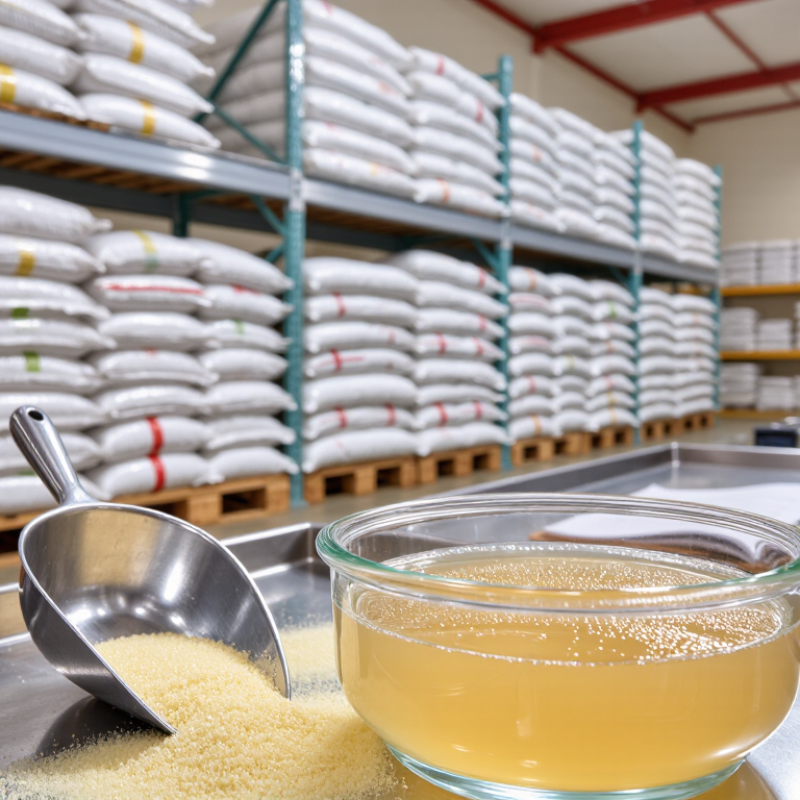
In 2026, serious gelatin sourcing starts with origin, not a glossy catalogue. Suppliers commonly offer bovine, porcine, or fish gelatin powder. Each source affects taste, gel strength, melting behavior, and certification requirements. Fish gelatin may suit certain dietary markets, while bovine and porcine grades support broader food and industrial production. Ask for species records, processing details, and current certificates. Small details matter.
Capacity should be judged through evidence, not impressive numbers. A supplier may claim several thousand tons annually, yet seasonal demand can reduce available stock. Request production capacity, warehouse locations, minimum order quantities, and recent batch consistency. Gel strength, viscosity, moisture, ash, particle size, and microbiological results deserve close review. A clear certificate of analysis helps buyers compare shipments without guessing. I would also check whether pilot samples match commercial batches.
Applications often reveal whether a supplier understands your process. Food manufacturers may need fast-dissolving powder for gummies, desserts, capsules, or dairy products. Pharmaceutical users usually require tighter controls, documented traceability, and stable performance. Cosmetic producers may focus on odor, color, and skin-compatible specifications. Export reach depends on customs experience, packaging strength, transit planning, and destination requirements. Suppliers serving multiple regions should explain labeling, pallet standards, and shipment documents clearly. No supplier is perfect. Some certificates become outdated, and delivery promises can sound better than reality. A careful buyer keeps written specifications, tests samples independently, and reviews performance after arrival.