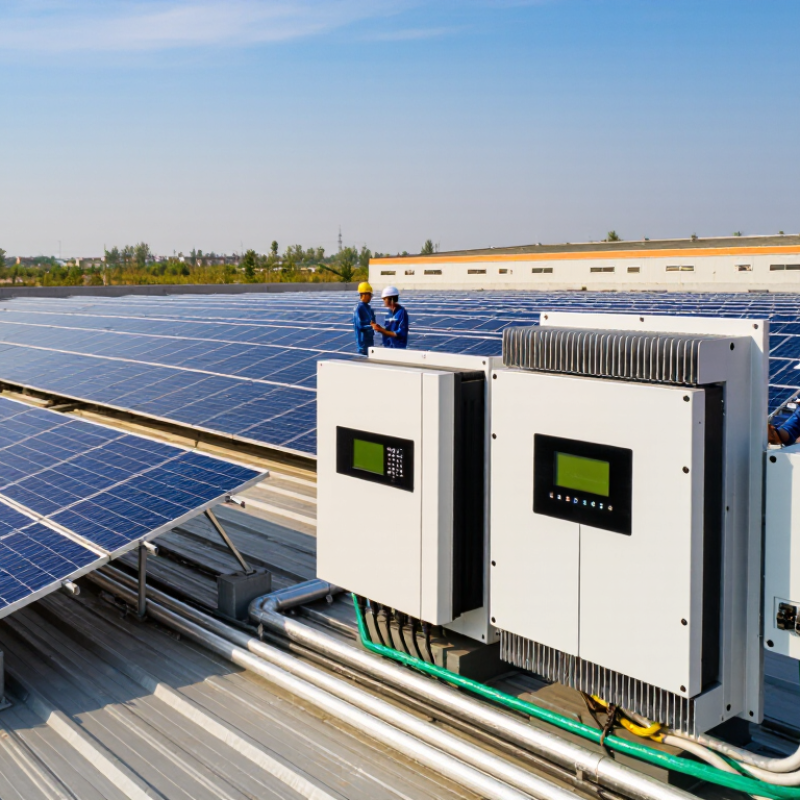
Selecting a grid-tied inverter manufacturer requires more than comparing rated efficiency. International buyers should verify grid compatibility, operating voltage, frequency, and certified anti-islanding protection for each destination. Local utility rules can differ sharply, even between neighboring countries. Do not guess. Request current test reports, installation manuals, firmware records, and declarations from the manufacturer.
Field experience shows that climate conditions often expose weak purchasing decisions. A rooftop project in a humid coastal area needs strong corrosion resistance and suitable ingress protection. A desert installation demands thermal derating data, dust control, and reliable cooling. Check performance at realistic temperatures, not only laboratory conditions. Heat matters. Ask for sample units and inspect connectors, cable glands, display seals, and enclosure workmanship before approving a large order.
A dependable supplier should provide traceable serial numbers, spare-part access, remote monitoring support, and a clear warranty process. Confirm who handles replacement units, shipping damage, customs documents, and technical training. Factory audits and independent pre-shipment inspections can reveal gaps that brochures hide. Cybersecurity controls also deserve attention when inverters connect to online platforms. A spreadsheet can still miss service delays, language barriers, or unstable local networks. The cheapest quotation may become expensive after six months. Test it. Compare documented field performance, response times, and total ownership cost rather than focusing on efficiency alone.