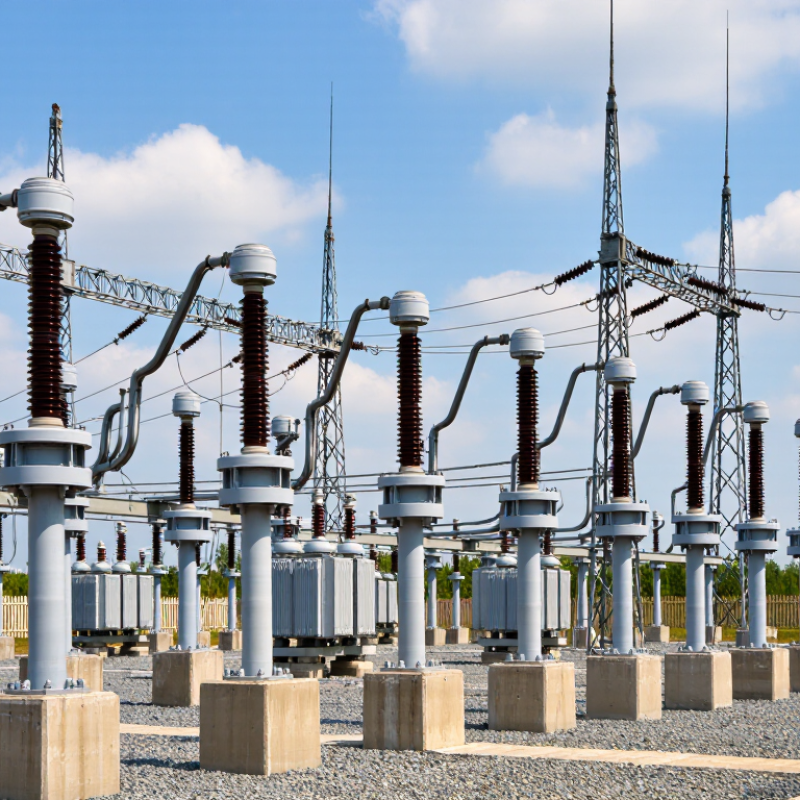
In 2026, polymeric surge arrester quality should be judged against recognized technical standards, not attractive catalog claims. IEC 60099-4 defines requirements for metal-oxide arresters used on alternating-current systems. IEEE C62.11 provides another widely applied framework for ratings, testing, and performance verification. Standards matter.
A reliable supplier should provide type-test evidence, routine-test records, and clear discharge-current data. Check residual voltage at relevant current levels, not only the headline rating. Thermal stability testing is critical after repeated surge duty. Housing performance also matters, especially under moisture, pollution, ultraviolet exposure, and sudden temperature changes. IEC 60099-5 can support guidance on selection and application.
Practical inspection should include sealing quality, shed design, pressure-relief behavior, and traceable production records. Field records help. Ask how failed units are investigated and how corrective actions are documented. A supplier that avoids detailed answers deserves caution. However, compliance paperwork is not enough. A test report may cover one design, while production changes remain unclear. I would verify test dates, laboratory competence, sample configuration, and the exact arrester class. Small details matter. Even experienced buyers can overvalue a familiar certificate and overlook installation altitude or contamination severity. A stronger evaluation combines standards, site conditions, independent evidence, and honest technical communication.