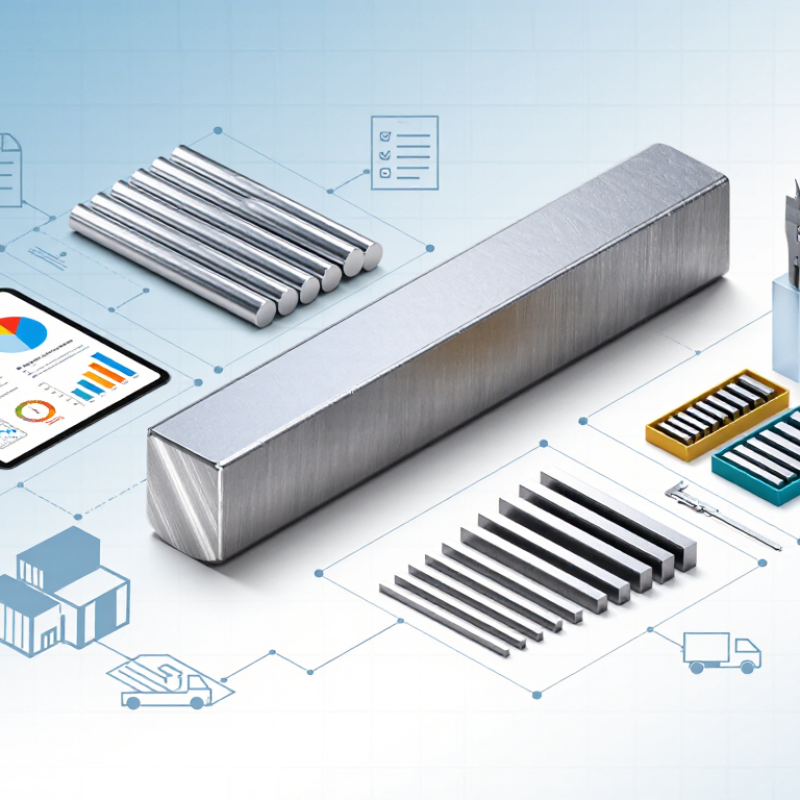
Choosing among the 2026 top Ti-6Al-4V Grade 5 titanium bar suppliers takes more than comparing prices. This alloy, also known as Grade 5 or UNS R56400, is valued for its strength-to-weight ratio and corrosion resistance. But those benefits depend on the bar meeting the right specification and quality requirements.
Matthew J. Donachie, a metallurgist and author of Titanium: A Technical Guide, provides a useful principle: select titanium according to the application’s demands and verify its properties. This is a paraphrase, not a direct quotation. For buyers, that means checking material test reports, heat-number traceability, dimensional tolerances, and surface condition. Ask whether the supplier can provide the required bar diameter, length, and certification for your intended use. Details matter. A missing heat number can complicate verification later.
This guide compares suppliers through practical criteria: product availability, documentation, inspection options, technical support, and delivery consistency. It also considers how clearly companies explain their capabilities, rather than relying on broad claims. A polished website is not proof of dependable stock. That distinction is easy to overlook. Supplier information may change, and published specifications should be confirmed before an order is placed. The comparison is a starting point, not a substitute for reviewing project requirements with qualified personnel. Small gaps in documentation deserve attention; they are easy to dismiss when schedules are tight.
Ti-6Al-4V, commonly called Grade 5, contains about 6% aluminum and 4% vanadium, with titanium making up most of the alloy. This balance gives bars a useful mix of strength, corrosion resistance, and relatively low weight.
ASTM B348/B348M covers titanium and titanium-alloy bars and billets; buyers should check the specified grade, dimensions, heat treatment, and test documentation. Details matter.
In aerospace, machined Grade 5 bar can become fasteners, fittings, or structural parts where weight reduction is valuable. Medical and industrial components also use the alloy, though each application needs its own material and processing checks.
The USGS Mineral Commodity Summaries 2025 estimates global sponge-titanium production at about 330,000 metric tons in 2024. That figure describes upstream sponge, not finished bar availability, but it shows why traceable supply and conversion capacity matter.
A mill test report should identify chemistry and mechanical results; machining teams should also account for heat buildup and tool wear. Small details, real costs.
Strength figures depend on product condition and specification, so one catalog value cannot guarantee performance in a finished component. I would treat supplier claims as a starting point, then verify certificates, dimensional tolerances, and independent test requirements for the intended use. Some uncertainty remains.