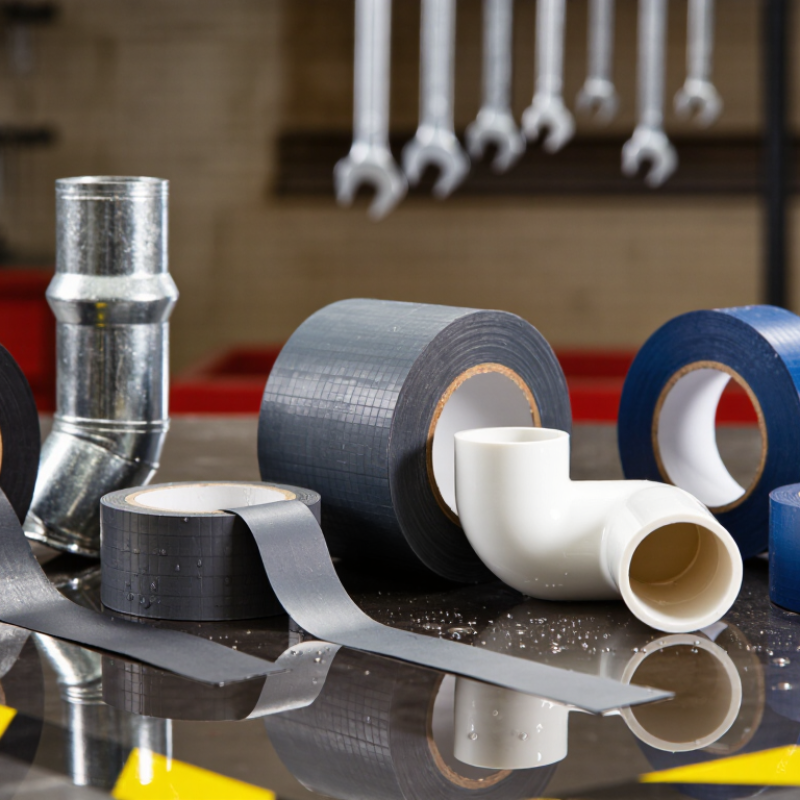
Heat resistance and waterproofing are not the same performance claim. The seven best tape choices usually include butyl, PVC, nitrile, silicone, EPDM, acrylic, and foil-backed rubber tapes. Butyl tape remains a strong moisture-sealing option because it stays pliable and fills small surface gaps. PVC tape offers clean handling and reliable electrical insulation. Nitrile tape performs better around oils, fuels, and moderate heat. Silicone self-fusing tape handles temperature changes, but its surface must be clean and dry.
ASTM D1000 is a useful comparison point for pressure-sensitive tapes. Test reports commonly list backing thickness, tensile strength, elongation, and adhesion to steel. These values matter in different ways. Higher adhesion does not automatically mean better waterproofing. A tape with strong peel adhesion may still fail when water enters through an unsealed edge. In field work, I check the tape after heating, stretching, and simulated rain. That practical step can expose weaknesses that laboratory numbers miss. ASTM D1000 data should support judgment, not replace it.
Tips: Match the tape to the exposure. Choose butyl for joints and irregular seams. Use PVC for protected electrical wrapping. Consider nitrile near oily equipment. Apply overlapping layers with firm pressure, especially at corners. Avoid stretching butyl excessively. It may look neat at installation, then shrink or split later. Record temperature, substrate type, and adhesion results during testing. Small details matter.