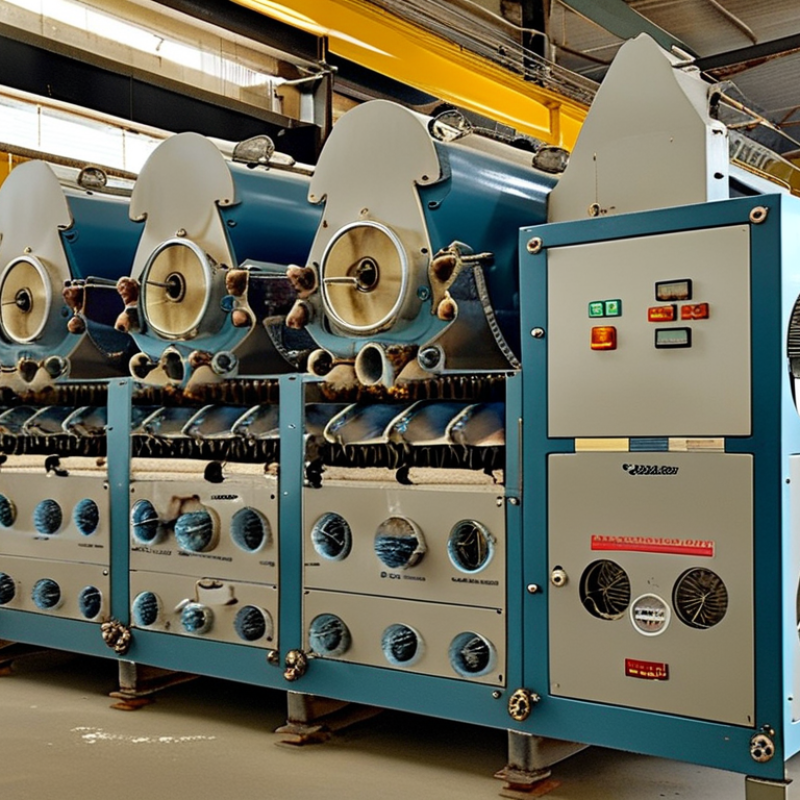
1. Compact Batch Vibratory Dryer
Single-deck, electrically heated | Small batches of powders, granules, crystals, herbs, and laboratory materials. | 10–150 kg/h, depending on bulk density, feed moisture, and residence time. | 40–120°C product temperature; adjustable with temperature control. | Approximately 1–8 percentage points of moisture in one pass under suitable conditions. | Level floor, electrical supply, access for loading and cleaning, and local exhaust for vapor or dust. | Inspect springs, clamps, screen deck, seals, and motor fasteners regularly. Clean product-contact areas between batches. | Use guards around moving parts, over-temperature protection, grounding, and dust-control measures where combustible powder is present. | Pilot plants |
2. Continuous Vibratory Fluid-Bed Dryer
Perforated deck with heated air | Continuous drying of free-flowing granules, pellets, salts, fertilizers, and food ingredients. | 0.3–5 t/h, based on material density, inlet moisture, air temperature, and deck loading. | 50–150°C product temperature; lower temperatures are used for heat-sensitive products. | Typically reduces surface or free moisture by 2–12 percentage points, subject to air capacity and residence time. | Requires level foundations, hot-air ducting, exhaust handling, access for screen removal, and adequate electrical power. | Check perforated plates, air seals, vibration isolators, bearings, drive components, and filter loading. | Control air velocity to prevent carryover. Provide emergency stops, guarding, temperature alarms, and suitable dust extraction. | High-volume production |
3. Multi-Deck Vibratory Dryer-Cooler
Integrated drying and cooling zones | Pellets, coated products, pharmaceutical granules, food products, and materials requiring controlled discharge temperature. | 0.5–8 t/h, depending on the number of decks and material characteristics. | Drying zone commonly 60–140°C; cooling zone typically approaches ambient temperature. | Suitable for staged moisture reduction and final cooling in one enclosed process line. | Needs a rigid, level support structure, separate hot and cool air circuits, discharge access, and sufficient maintenance clearance. | Inspect deck seals, transfer chutes, vibration motors, temperature sensors, and inter-deck buildup. | Verify airflow balance between decks. Interlock heaters with airflow and vibration status to reduce overheating risk. | Integrated lines |
4. Enclosed Sanitary Vibratory Dryer
Hygienic stainless-steel construction | Food, nutraceutical, pharmaceutical, and other applications requiring frequent sanitation and controlled contamination risk. | 50–2,000 kg/h, depending on product and hygienic design. | 35–110°C product temperature; process limits depend on formulation and quality requirements. | Commonly used for controlled removal of free moisture while maintaining product hygiene and appearance. | Requires hygienic utilities, washable surroundings where applicable, filtered process air, drainage planning, and easy access for inspection. | Perform documented cleaning, inspect gaskets and weld areas, verify screen integrity, and lubricate only with approved lubricants. | Use validated cleaning procedures, allergen controls, dust containment, and appropriate explosion protection for combustible powders. | Hygienic processing |
5. Indirect-Heat Vibratory Dryer
Heated surface with isolated process air | Pigments, chemicals, minerals, and products that must avoid direct contact with combustion gases or heating media. | 100–3,000 kg/h, depending on heat-transfer area and material residence time. | 50–180°C product temperature, with indirect heating selected for contamination control. | Effective for moderate moisture removal where product purity and controlled atmosphere are priorities. | Requires thermal-fluid, steam, or electric-heating connections, insulation, condensate or fluid-return arrangements, and ventilation. | Inspect heat-transfer surfaces, expansion joints, insulation, temperature controls, seals, and vibration components. | Protect operators from hot surfaces. Install pressure relief and isolation devices when steam or thermal fluid is used. | High-purity products |
6. Vacuum Vibratory Dryer
Low-pressure batch or continuous operation | Heat-sensitive, oxygen-sensitive, solvent-bearing, or high-value products requiring low-temperature drying. | 20–1,500 kg/h, depending on vacuum level, solvent load, and condenser capacity. | 25–90°C product temperature; lower boiling temperatures are possible under vacuum. | Suitable for substantial moisture or solvent reduction while limiting oxidation and thermal degradation. | Requires a sealed chamber, vacuum pump, condenser, solvent recovery system, compatible gaskets, and structural support for pressure differential. | Test vacuum tightness, inspect door seals, clean condensers, check pump oil or seals, and verify pressure instrumentation. | Assess implosion, solvent vapor, and static-electricity hazards. Use pressure-rated equipment and explosion-protected electrical components when required. | Heat-sensitive materials |
7. Vibratory Dryer with Dehumidified Air
Low-humidity process-air system | Hygroscopic powders, polymers, specialty chemicals, and products needing consistent final moisture. | 100–4,000 kg/h, depending on air dew point, product load, and residence time. | 35–130°C product temperature, often lower than conventional hot-air drying. | Well suited to low final moisture targets when ambient air humidity would otherwise limit drying performance. | Needs a sealed air circuit, dehumidifier, insulated ducting, condensate drainage, and adequate room clearance for filters and service panels. | Replace or regenerate desiccant as specified, inspect filters, check dew-point sensors, and examine duct seals for air leakage. | Monitor dew point and temperature continuously. Prevent condensate accumulation and provide guarding for fans, drives, and vibration mechanisms. | Humid climates |