2026 Best Prehung Doors for Global Buyers?
Choosing the right Prehung Doors for international projects is more complex than comparing catalog prices. Door size, wall thickness, swing direction, climate, and installation standards can change the final result. A door that fits a North American opening may fail in a European renovation.
Gary Katz, a respected finish-carpentry educator and door-installation specialist, offers a useful warning: “A door is only as good as its installation.” That principle matters for global buyers. A factory-assembled frame can save labor, but poor measurement can create uneven gaps, latch problems, or air leakage. Picture a heavy oak door arriving at a coastal site, then struggling against humidity because its frame was never checked for movement.
This 2026 guide examines Prehung Doors for homes, hotels, offices, and large building projects. It considers material quality, fire and acoustic performance, hardware compatibility, packaging, and after-sales support. It also looks at practical export concerns, including pallet protection and replacement-part availability.
Some choices remain imperfect. A low-cost model may offer attractive margins, yet its hinges or frame finish may disappoint after installation. A premium door may perform better, but shipping weight can raise project costs sharply. Global buyers should request exact drawings, test reports, finish samples, and installation instructions before ordering. Measurements deserve patience. Even experienced teams sometimes overlook the threshold detail. That small mistake can delay an entire room.
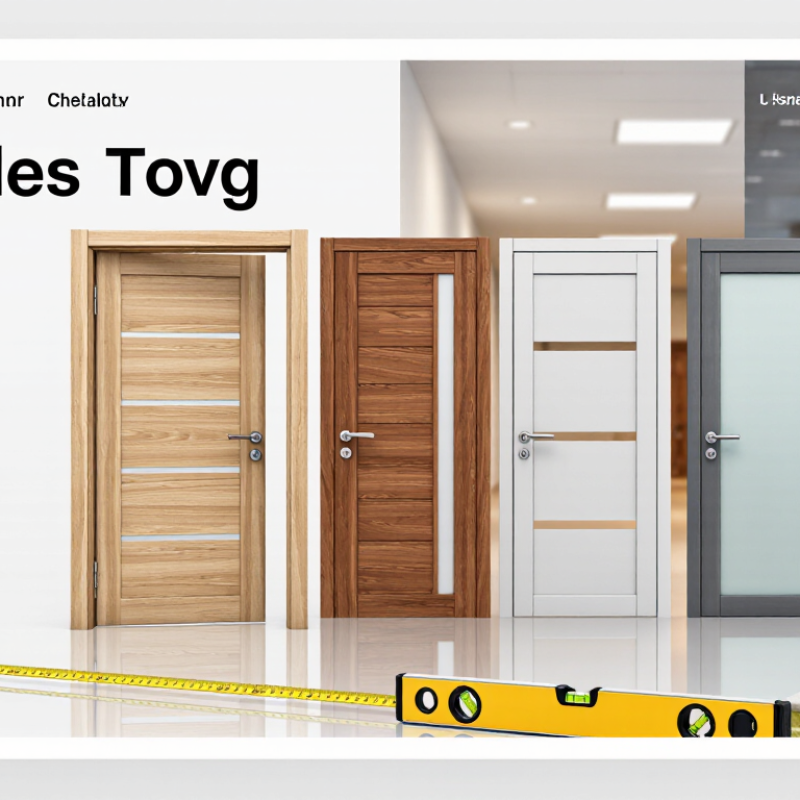
What Are Prehung Doors and Why Do Global Buyers Choose Them?
2026 Best Prehung Doors for Global Buyers?
What Are Prehung Doors and Why Do Global Buyers Choose Them?
A prehung door is a complete door unit, including the slab, frame, hinges, and often a prepared strike plate. It arrives assembled, rather than as separate pieces. This design can reduce installation time and limit alignment errors on busy construction sites.
Global buyers often choose prehung doors for consistency. A factory-assembled frame helps maintain a reliable gap around the slab. Installers can place the unit into a prepared opening, check the shims, and secure it with suitable fasteners. That process is practical for housing projects, hotels, offices, and renovation work.
Shipping still requires careful planning. Buyers should confirm rough-opening sizes, handing, wall thickness, swing direction, and packaging protection. A unit designed for a dry indoor climate may perform poorly in a humid coastal region. Materials, seals, finishes, and hardware should match the project’s weather exposure and local building requirements.
Small measurement mistakes become expensive overseas. A two-millimeter difference may affect installation. Not always.
Experienced purchasers request technical drawings, tolerance data, test information, and replacement-part details before ordering. They also check whether the door can pass through elevators and narrow corridors after delivery. Prehung doors are convenient, but convenience is not automatic. In my view, buyers sometimes trust catalog dimensions too much and inspect site conditions too little. Better decisions come from comparing the product with real openings, installation skills, climate, and long-term maintenance needs.
Which Prehung Door Types Fit Different Buildings and Climates?
For 2026, prehung doors should match the building’s exposure, not only its appearance.
Exterior insulated steel units suit apartments, warehouses, and offices needing durability and controlled costs.
Fiberglass units handle wet coastal air better and resist swelling.
Wood remains attractive for sheltered entrances, but it needs careful sealing and regular inspection.
Cold climates need low air leakage, insulated cores, compression weatherstripping, and thermally improved frames.
The U.S. Department of Energy reports that air leaks can waste 5% to 30% of household energy use.
A poorly adjusted threshold can cancel expensive insulation. In hot climates, light-colored finishes, shaded entries, and low-solar-gain glazing reduce heat entering reception areas. I would not select one door type for every region.
High-rise housing and hotels may need fire-rated prehung assemblies, with ratings verified for the complete door, frame, hinges, and hardware.
Schools and healthcare buildings often benefit from solid-core doors with acoustic seals.
In hurricane-prone zones, impact-rated assemblies should follow local wind-pressure requirements.
FEMA’s 2021 Building Codes Save study estimated that modern building codes could prevent billions in future disaster losses.
That figure supports stronger specifications, but site conditions still matter. A fire door does not automatically provide strong acoustic performance. Moisture-resistant frames can also fail when installation leaves gaps behind the jamb. Inspections matter.
Plainly, details decide performance.
What Standards and Certifications Should International Buyers Check?
2026 Best Prehung Doors for Global Buyers?
International buyers should verify the complete door assembly, not only the door leaf. A prehung unit includes the frame, hinges, seals, threshold, glazing, and hardware. Each component can affect compliance. Request current test reports for fire resistance, smoke control, acoustic performance, air leakage, water penetration, and wind pressure. The report should identify the exact model, dimensions, materials, and tested configuration.
Regional requirements can differ sharply. European projects may require applicable CE documentation under construction product rules, while UK projects may require separate conformity evidence. North American buyers often check fire labels, safety glazing, energy performance, and local building-code acceptance. Australia and other markets may apply their own water, wind, thermal, and accessibility criteria. Ask whether the certificate covers export installation conditions. It often does not.
Look for a Declaration of Performance, laboratory accreditation, factory quality records, and batch traceability. For timber doors, verify moisture content, treatment records, and responsible sourcing claims. Wood packaging may also need ISPM 15 compliance. Do not accept a certificate showing only a similar-looking door. In procurement reviews, small differences in threshold height or glass type have caused failed inspections. That lesson is easy to overlook. Hardware deserves separate attention, especially panic devices, closers, locks, or electronic access parts. Confirm local acceptance before shipment, and ask for installation instructions with tolerances, fixing points, and maintenance intervals. A low price can become expensive when documentation is incomplete.
