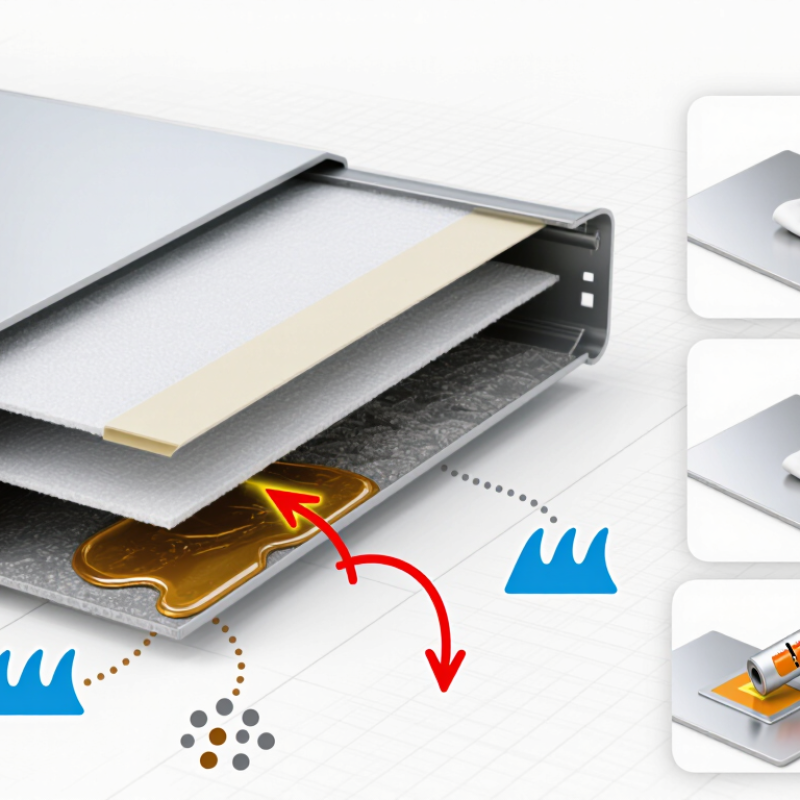
| Vent membrane | A hydrophobic, microporous membrane such as expanded PTFE (ePTFE), specified for the enclosure’s exposure and operating conditions. | The membrane can allow air and water vapor to pass while resisting liquid-water entry under its rated test conditions. It is not an impermeable plug. | Review the supplier’s airflow, water-entry-pressure, temperature, and chemical-compatibility data for the complete vent assembly. |
| Airflow and pressure equalization | Airflow capacity measured at a stated pressure differential, with a vent size and quantity matched to the enclosure volume and pressure-change rate. | Pressure equalization can reduce pressure differences that stress enclosure seals during temperature or altitude changes. It does not replace a correctly designed enclosure seal. | Compare airflow-versus-pressure data and test the assembled enclosure through expected temperature and pressure cycles. |
| Water-entry resistance | A stated water-entry-pressure value and clearly defined test method, including whether the result applies to the membrane, vent, or installed assembly. | Water resistance varies with construction, pressure, exposure, and installation. A membrane rating alone does not establish the waterproof rating of the finished product. | Test the final enclosure under the applicable water-exposure conditions; do not infer an IP rating from a vent’s standalone data. |
| Adhesive and substrate | An adhesive compatible with the enclosure material, surface finish, expected temperature range, moisture exposure, and service life. | Adhesive failure, poor wet-out, or incompatibility can create a leak path around the vent even when the membrane remains intact. | Check adhesion on the actual substrate after cleaning and conditioning; assess aging, humidity, and temperature effects where relevant. |
| Installation surface and placement | A flat, clean, dry bonding area with adequate space around the vent; position it to reduce direct exposure to impact, standing water, and contamination. | Surface texture, curvature, dust, oil, and blocked vent openings can impair adhesion or airflow and compromise performance. | Follow the installation instructions for surface preparation and application pressure, and inspect the bond line and opening after installation. |
| Dust, oil, and environmental exposure | A construction and location appropriate to the expected dust, oils, salt, cleaning agents, UV exposure, and temperature. | Contamination can reduce membrane airflow or affect adhesive performance. Resistance to one exposure does not imply resistance to all chemicals or conditions. | Use application-specific exposure testing and review documented compatibility rather than relying on a general “waterproof” description. |
| Finished enclosure rating | A verified ingress-protection rating for the complete enclosure, including its cover, seams, connectors, vent, and installation. | IP ratings under IEC 60529 apply to tested equipment configurations. A vent component by itself does not guarantee the enclosure’s rating. | Validate the assembled product using the relevant test procedure and configuration; repeat testing if the vent or installation changes. |