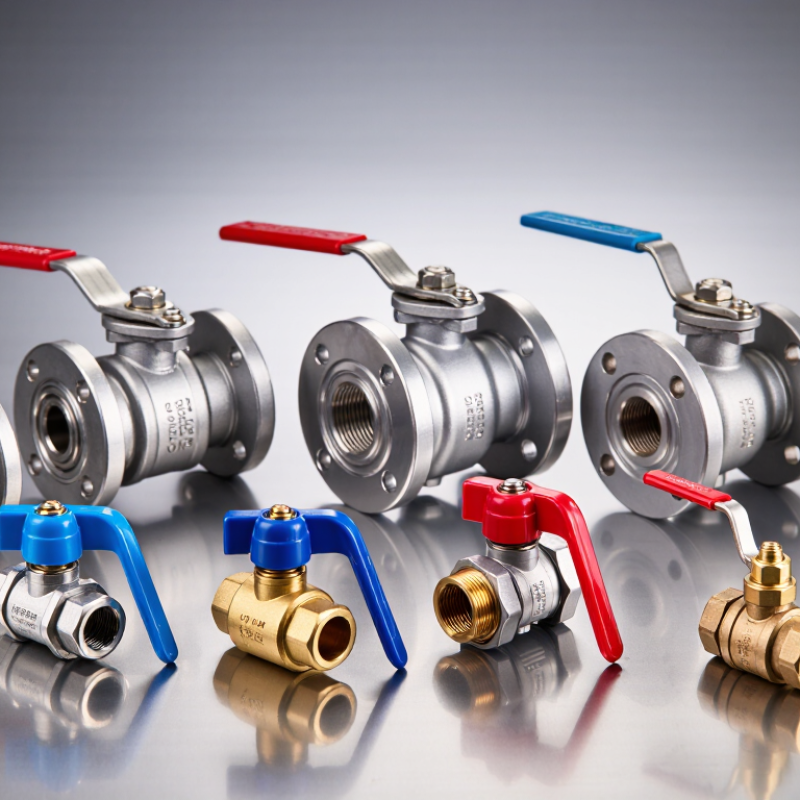
| Reliable general-purpose shutoff | Two-piece floating, full-port ball valve | Carbon steel or stainless-steel body; floating ball; soft seats such as PTFE | Threaded, socket-weld, butt-weld, or flanged | Water, air, oil, and many compatible process fluids | Check the pressure-temperature rating, seat compatibility, and applicable piping standard. |
| Easy maintenance with minimal line downtime | Three-piece ball valve | Bolted body sections allow the center section to be removed; commonly stainless steel with soft seats | Threaded, socket-weld, butt-weld, or flanged | Process lines where in-line body maintenance is useful | Confirm the design permits safe servicing and that the installed configuration meets isolation requirements. |
| High-pressure service or larger pipeline sizes | Trunnion-mounted ball valve | Ball supported by upper and lower trunnions; carbon steel or stainless steel; soft or metal seats | Typically flanged or butt-weld | Oil and gas pipelines, transmission, and high-pressure process systems | Pressure class, bore, seat design, and end-to-end dimensions depend on size and the selected design standard. |
| Very low-temperature or cryogenic service | Cryogenic ball valve with extended bonnet | Often stainless steel; extended bonnet helps keep the stem packing away from the cold zone | Flanged, butt-weld, or other specified process ends | LNG, liquid nitrogen, and other cryogenic fluids | Verify the minimum design temperature, materials, seat performance, and any required cryogenic testing. |
| Elevated-temperature or abrasive service | Metal-seated ball valve | Metal ball and seats, often with hard-facing or coating; body material selected for the process | Commonly flanged or butt-weld | Hot oil, steam, solids-bearing fluids, and some severe-service duties | Allowable temperature and shutoff performance vary by materials, coating, pressure, and fluid conditions. |
| Corrosive chemical handling | Corrosion-resistant or lined ball valve | Stainless steel, duplex stainless steel, or a corrosion-resistant lining such as PTFE or PFA | Threaded, flanged, or other process connections | Chemical processing and compatible acids, alkalis, or solvents | Check chemical compatibility across the body, lining, ball, seats, stem, and seals at operating conditions. |
| Hygienic production and cleanability | Sanitary ball valve | Typically 316L stainless steel with smooth, cleanable wetted surfaces and compatible seals | Tri-clamp, sanitary weld, or other hygienic connections | Food, beverage, biotechnology, and pharmaceutical processes | Specify surface finish, drainability, seal material, and required cleaning or hygienic standards. |
| Corrosion-resistant, lower-pressure utility piping | PVC or CPVC ball valve | Thermoplastic body and ball with elastomeric seals | Socket, threaded, or flanged, depending on the system | Water treatment, irrigation, and compatible chemical utility lines | Pressure capacity decreases with temperature; verify fluid compatibility and the valve’s rated limits. |
| Modulating flow control | V-port or characterized-port ball valve | V-shaped or profiled ball creates a more controllable flow characteristic; may be fitted with an actuator | Typically flanged or wafer-style, depending on design | Process control for liquids, gases, or steam when properly sized | Confirm flow coefficient, rangeability, actuator sizing, and suitability for the fluid and control loop. |
| Fire-risk areas requiring fire-tested design | Fire-tested ball valve | Metal-bodied floating or trunnion design with secondary sealing features appropriate to its tested design | Commonly flanged or butt-weld | Hydrocarbon and other services where fire-safe performance is specified | Request documentation for the applicable fire-test standard, such as API 607 or API 6FA, and the exact valve configuration. |