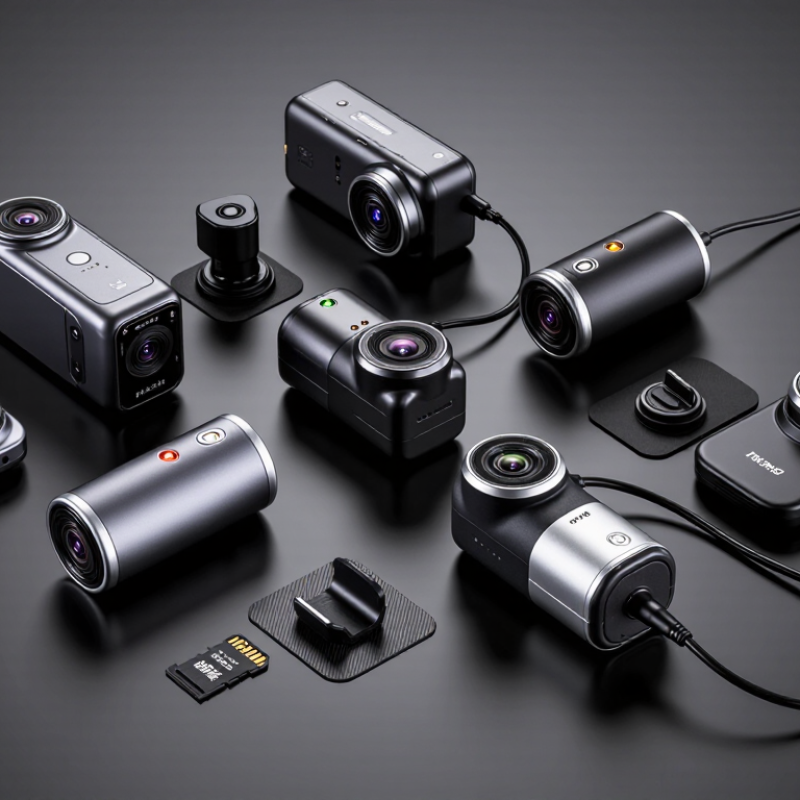
| Front-facing dash camera | Road ahead through the windshield | Commonly 1080p, 1440p, or 4K | Usually powered from the vehicle’s 12-volt outlet or a hardwire kit; typically records to a memory card in looped clips | Drivers seeking a straightforward record of events in front of the vehicle | Higher resolution can capture more detail, but results also depend on the lens, lighting, windshield condition, and recording settings. |
| Front-and-rear dash camera | Forward road view plus a rear-facing view | Front and rear resolutions vary; rear channels are often lower resolution than the front | Typically uses a front unit and a wired rear camera; both views may be saved to one memory card | Drivers who want footage from both ends of the vehicle | Installation may require routing a cable to the rear window, and rear-window tint or obstructions can affect image quality. |
| Three-channel dash camera | Front road, cabin, and often rear road | Multiple video streams; resolution differs by channel | Usually records several views simultaneously to one storage device | Rideshare drivers, taxi operators, and drivers who need cabin footage | More channels use more storage and may require careful camera placement to avoid obstructing the driver’s view. |
| Infrared cabin camera | Vehicle interior, including in low-light conditions | Cabin-video resolution varies; infrared illumination can support recording in darkness | Commonly built into a multi-channel dash camera or connected as an additional camera | Recording passenger activity or monitoring a vehicle interior at night | Infrared helps illuminate the cabin but does not improve the camera’s view through a dark or obstructed window. |
| Mirror-mounted dash camera | Forward road view; some models also include a rear camera | Varies by model, commonly 1080p or higher for the front channel | Attaches over or replaces the existing rear-view mirror; may include a display and memory-card recording | Drivers who prefer a mirror-style display or want to combine a display with dash-camera recording | Check mirror fit, screen brightness, glare, and whether the rear camera is included or sold separately. |
| Backup camera | Area behind the vehicle, usually displayed when reverse is selected | Video quality and viewing angle vary; many systems show guide lines | Often activates with the reverse gear; may connect to a dashboard display or a mirror-mounted screen | Improving visibility while reversing and helping detect obstacles behind the vehicle | It supplements, rather than replaces, mirrors and direct observation; keep the lens clean and check the display’s field of view. |
| Wireless backup camera | Rear view transmitted to a compatible in-vehicle display | Image quality and viewing angle vary by system | Camera and display communicate wirelessly; the camera still needs a power source, often connected near the rear of the vehicle | Vehicles where running a video cable to the front display is difficult | Wireless links can be affected by interference, range, or installation conditions; confirm compatibility and reliable operation before use. |
| Surround-view camera system | Views from several exterior cameras combined into a top-down or multi-angle display | Displayed views are stitched from multiple cameras; image detail depends on the system | Usually integrated with the vehicle’s display and requires camera calibration | Low-speed parking and maneuvering in tight spaces | The overhead image is a processed composite, not a direct camera view; calibration and cleaning all lenses are important. |
| Integrated factory camera system | Coverage depends on the vehicle; may include front, rear, or surround views | Varies by vehicle and installed system | Built into the vehicle and commonly linked to its display, controls, or driver-assistance features | Buyers who prefer a vehicle-integrated installation and controls | Features differ between vehicles and trim levels; verify included views and whether footage can be recorded or exported. |
| Fleet or driver-monitoring camera system | May record the road, cabin, or both, depending on configuration | Resolution, number of channels, and recording settings vary | Often supports event-triggered recording, local storage, or connected fleet management features | Commercial vehicles and fleet operators with defined safety or incident-review needs | Review privacy, consent, data access, retention, and local legal requirements before installation. |