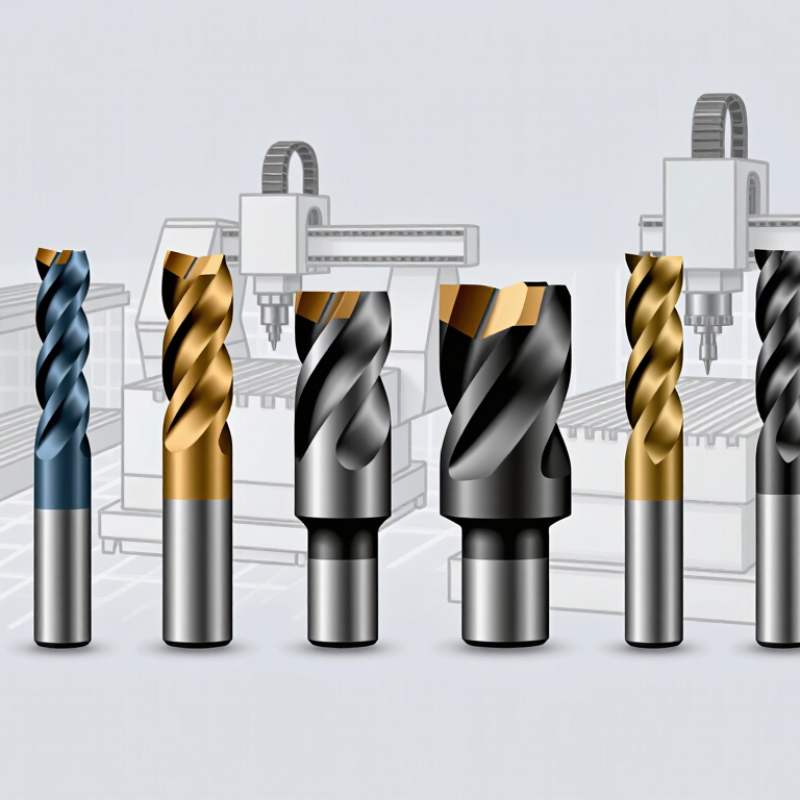
| Solid Carbide End Mill | CNC machining centers and high-speed milling machines | Carbon and alloy steels, stainless steel, cast iron, aluminum, and some plastics; select the geometry and coating for the material | Slotting, profiling, pocketing, contouring, and shoulder milling | Precision parts, complex profiles, and shops seeking high rigidity and repeatable tool paths | Match flute count, helix, corner style, reach, and coating to the material and operation. Check spindle rigidity and tool runout, especially with small diameters. |
| Indexable Face Mill | CNC vertical or horizontal machining centers | Steels, cast iron, and aluminum, with insert grade and geometry chosen for the workpiece | Facing and producing flat surfaces over relatively wide areas | Higher-volume milling where replaceable inserts can reduce the cost and time of edge changes | Confirm cutter diameter, insert availability, machine power, and the number of effective teeth. Use a suitable insert geometry to control cutting forces and surface finish. |
| Indexable Turning Tool with Inserts | CNC lathes and turning centers | Steel, stainless steel, cast iron, and non-ferrous metals, subject to insert-grade selection | External and internal turning, facing, grooving, and profiling | Production turning that benefits from quick, consistent cutting-edge changes | Choose insert shape, nose radius, chipbreaker, grade, and holder orientation for the operation. Confirm the insert is suited to continuous or interrupted cuts. |
| CNC Drill | Machining centers and CNC drilling machines | Metal, with high-speed steel commonly used for general-purpose work and solid carbide often used for higher-speed production in rigid setups | Producing straight holes, including through-holes and blind holes | Repeatable holemaking across a range of hole sizes and production volumes | Check hole depth, coolant delivery, chip evacuation, and machine rigidity. Deep holes may require a specialized drilling strategy or tool design. |
| Thread Mill | CNC milling machines and machining centers with coordinated milling capability | Steels, stainless steel, aluminum, and other machinable metals, using an appropriate tool material and geometry | Internal and external threads, including threads in larger holes | Flexible production of different thread sizes or parts where broken taps would be costly | Confirm thread standard, pitch, diameter, and toolpath capability. Thread milling generally requires a pre-drilled hole and correct interpolation programming. |
| CNC Tap | CNC machining centers and tapping machines | Common metals, with tap design selected for the workpiece and whether the hole is blind or through | Cutting internal threads in pre-drilled holes | Efficient, standardized threading in repetitive production | Match tap type to hole type and material. Verify the pre-drill diameter, thread pitch, spindle synchronization, and lubrication or coolant requirements. |
| Machine Reamer | CNC machining centers, drilling machines, and suitable lathes | Steels, cast iron, aluminum, and other materials, depending on reamer design | Finishing a previously drilled or bored hole to improve size consistency and surface finish | Parts requiring closer hole-size control than drilling alone typically provides | A reamer is a finishing tool, not a substitute for drilling. Leave appropriate stock, maintain alignment, and select cutting direction and coolant for the application. |
| Boring Tool | CNC lathes, turning centers, and machining centers | Steels, cast iron, aluminum, and other machinable materials | Enlarging or finishing existing holes and correcting hole alignment | Accurate internal features, especially when diameter adjustment or fine finishing is required | Choose a rigid bar with suitable reach and diameter. Long overhangs can cause vibration; consider tool clearance, setup stiffness, and chip evacuation. |
| CNC Slitting Saw | Machining centers and milling machines with appropriate arbor and clearance | Metals and some engineering materials, depending on blade material and tooth geometry | Narrow slots, cutoffs, and separation cuts | Applications where a narrow kerf is important or a slot cannot be made efficiently with an end mill | Check blade diameter, thickness, arbor fit, tooth pitch, and workholding. Use a stable setup and ensure the blade has enough clearance to avoid rubbing. |
| Compression Router Bit | CNC routers and suitable CNC machining centers | Plywood, laminates, MDF, and other panel materials, subject to bit design and workpiece construction | Through-cutting and profiling panels while helping limit edge breakout on both faces | Nested-based manufacturing and sheet processing where clean top and bottom edges are important | Match the compression section to panel thickness and cutting depth. Use effective dust extraction, secure the sheet, and select cutting parameters for the material. |