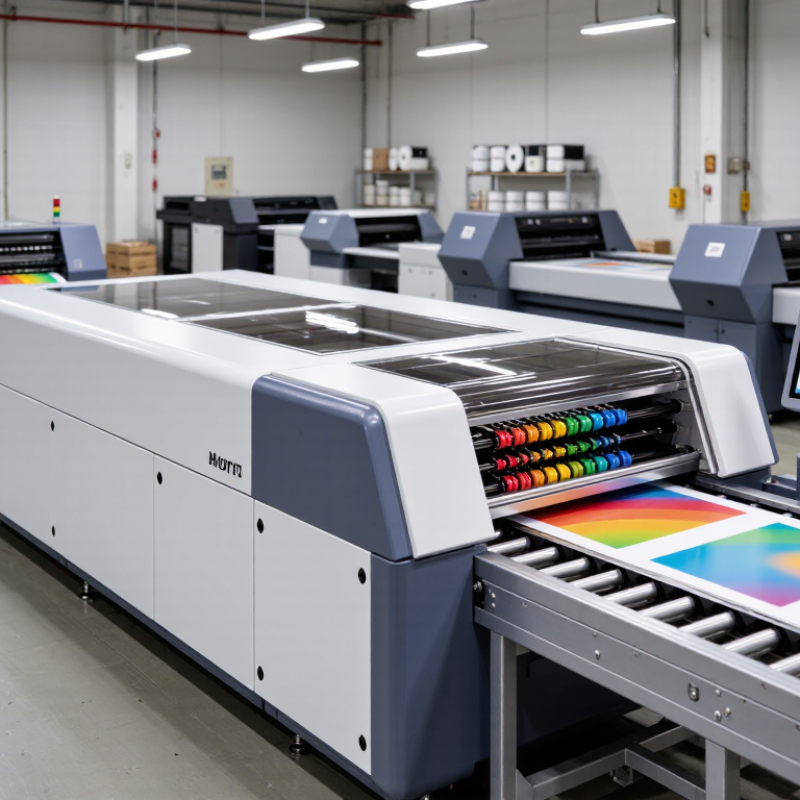
| Sheetfed offset press | High-volume brochures, catalogs, magazines, books, and marketing materials with repeatable specifications | Medium to very long runs; setup is generally easier to justify as quantity increases | Coated and uncoated paper and board, within the press’s supported sheet and thickness range | Consistent color and efficient unit cost on longer, stable print runs | Make-ready, plates, and setup time can make short runs or frequent changes less economical | Requires skilled press operation, prepress preparation, and space for press and finishing workflows |
| Production digital toner press | Short-run commercial jobs, on-demand books, personalized mail, and frequent version changes | Short to medium runs; practical limits depend on job length, finishing, and click or consumable costs | Supported paper and specialty stocks; compatibility depends on media weight, coating, and fuser requirements | Fast job changes with no printing plates and straightforward variable-data workflows | Per-page costs may be less favorable than offset for large quantities; some stocks and formats are unsupported | Check rated monthly volume, long-sheet capability, inline finishing, and media testing before purchase |
| Production inkjet press | High-volume transactional mail, direct mail, books, statements, and variable-data work | Medium to very long runs, especially when jobs can be produced continuously | Paper rolls or sheets designed for the ink system; some workflows require treated or specially qualified stocks | High-throughput production and efficient personalization across large job volumes | Paper compatibility, drying, color management, and finishing integration can require substantial planning | Evaluate total workflow speed, including drying and finishing, rather than relying on engine speed alone |
| Wide-format inkjet printer | Posters, banners, display graphics, wall coverings, signs, and short-run point-of-sale materials | One-off pieces to short and medium batches, with output area often more relevant than page count | Roll media and, on suitable flatbed systems, rigid boards; media support varies by printer and ink type | Large image sizes and flexible production across many graphic applications | Production speed and outdoor durability vary with print mode, ink, material, and finishing needs | Match the printer to required width, indoor or outdoor use, curing method, and finishing equipment |
| Flexographic press | Labels, flexible packaging, folding-carton work, and other repeat packaging production | Medium to very long runs, particularly for repeat designs and stable packaging specifications | Paper, films, foils, and other web materials supported by the press and ink system | Efficient continuous production and compatibility with many packaging materials | Plates, setup, and color-station preparation can add cost and time when designs change frequently | Confirm web width, number of stations, drying or curing requirements, and converting-line compatibility |
| Screen-printing press | Specialty graphics, apparel decoration, signage, promotional items, and applications needing substantial ink deposits | Short to long runs, depending on setup effort, number of colors, and production method | Textiles, paper, plastics, glass, and other compatible surfaces, depending on ink and press configuration | Can deposit opaque or specialty inks and print on a wide range of shapes and materials | Color-by-color setup and drying or curing can limit speed and make complex jobs labor-intensive | Plan for screens, registration, curing equipment, ventilation, and substrate-specific ink testing |
| Gravure press | Very high-volume packaging, decorative printing, and long-run publication work | Very long runs where cylinder preparation can be spread across large quantities | Continuous paper, film, foil, and other materials supported by the press and ink system | Stable image reproduction and productive continuous printing on large, repeat orders | Engraved cylinders and substantial setup investment are difficult to justify for short or frequently changing jobs | Best evaluated for sustained demand, cylinder economics, solvent or ink handling, and environmental controls |