Best CPRI Patch Cord for Your Connectivity Needs?
In today's fast-paced digital world, reliable connectivity is crucial. One essential component that plays a significant role in this arena is the CPRI Patch Cord. These cords are integral for communication between base stations and antennas, mainly in mobile networks. Choosing the right CPRI Patch Cord can seem daunting, given the multitude of options available.
The effectiveness of a CPRI Patch Cord directly influences network performance. Unfortunately, many users overlook this critical choice, sometimes leading to connection issues or reduced data rates. Understanding the specifications, such as length, quality, and shielding, is paramount. A well-chosen CPRI Patch Cord not only enhances signal integrity but also provides durability and resistance to external interferences.
Yet, not every cord on the market lives up to its claims. Users often report inconsistent performance from lesser-known brands. It’s essential to analyze user reviews and insights from industry experts. Balancing cost and quality is a challenge that requires careful consideration. With the right information, selecting the best CPRI Patch Cord becomes a more manageable task.
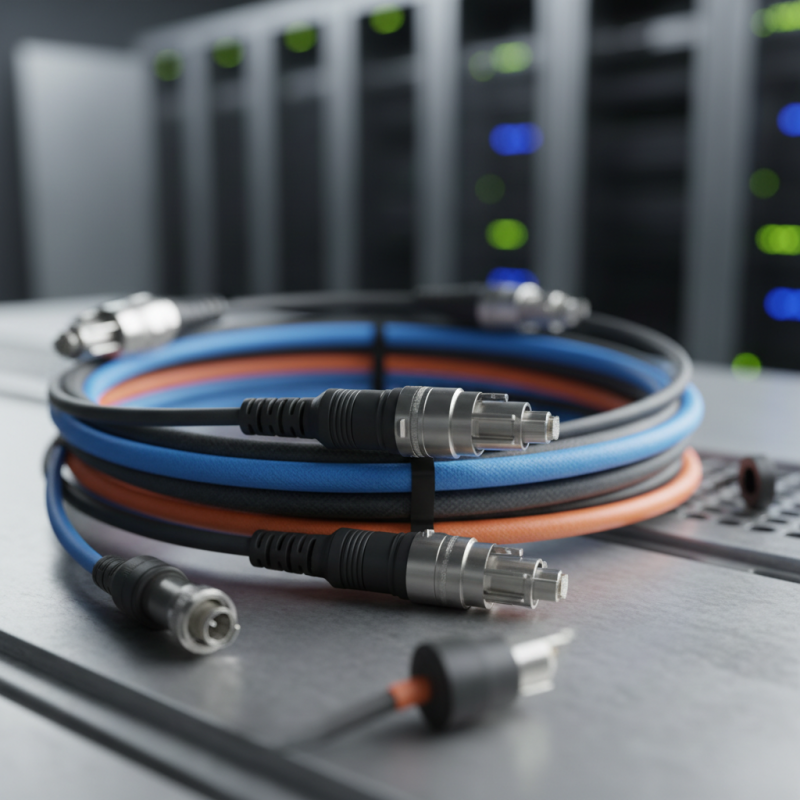
Understanding CPRI Technology and Its Importance in Connectivity
CPRI (Common Public Radio Interface) technology plays a crucial role in modern connectivity. It enables efficient data transfer between base stations and radio heads, significantly impacting network performance. As mobile data traffic continues to increase, understanding CPRI is vital for ensuring robust communication infrastructure. A recent report estimates that global mobile data traffic will reach 78 Exabytes per month by 2025. This surge demands reliable connections, making CPRI technology indispensable for network operations.
Selecting the right CPRI patch cord is essential. A well-made patch cord minimizes signal degradation and optimizes the efficiency of your network. The length and quality of the cable significantly affect performance. While many overlook these aspects, they directly influence transmission quality. For instance, a report from industry experts indicates that subpar connections can result in a 30% drop in data transmission efficiency.
Tip: Always consider using fibers with low attenuation properties. Look for patch cords that match your bandwidth requirements. Avoid overly long cables, as they can hamper performance. Regularly inspect your connections for wear and tear. Even slight damage can cause significant network disruptions. Remember, the reliability of your CPRI connections impacts overall service quality.
Best CPRI Patch Cord for Your Connectivity Needs
This chart illustrates the average signal loss (in dB) for different fiber optic patch cords typically used in CPRI connections. A lower signal loss indicates better performance. The data highlights the importance of choosing the right patch cord for optimal connectivity.
Key Features to Consider When Choosing a CPRI Patch Cord
When selecting a CPRI patch cord, several key features deserve careful attention. The first aspect is the cable type. Choose between single-mode and multi-mode cables based on your network requirements. Single-mode cables are often more efficient for long distances. However, multi-mode cables work well in shorter ranges and can reduce costs.
Next, consider the attenuation rate of the cable. A lower attenuation rate ensures better signal quality over long distances. Look for patch cords with minimal signal loss, as this will enhance connectivity and reduce downtime.
Also, assess the durability of the connectors and the cable jacket, as these components must withstand physical stress and environmental factors.
It's essential to evaluate compatibility with your existing equipment as well. Not every CPRI patch cord performs equally across different devices. Researching specific specifications can help avoid costly mistakes. Inadequate compatibility may lead to network inefficiencies.
Balancing cost and quality is critical too. High-priced cables don't always guarantee superior performance. Be mindful of where your investment goes. These considerations are vital for achieving optimal connectivity.
Comparative Analysis of Different CPRI Patch Cord Types
When selecting a CPRI patch cord, it’s crucial to understand the different types available. The primary choices include multimode and single-mode fiber patch cords. Multimode fibers are ideal for short-distance applications. They can support data rates up to 40 Gbps within 300 meters. Conversely, single-mode fibers excel in long-distance scenarios, achieving data rates of 10 Gbps over distances exceeding 40 kilometers.
Another important consideration is the jacket type. CPRI cable jackets can vary, typically being LSZH (Low Smoke Zero Halogen) or PVC (Polyvinyl Chloride). LSZH cables are preferred in environments needing lower fire hazard risks. According to industry standards, nearly 70% of data center operators prioritize safety in their cabling choices.
Optical performance is also significant. The insertion loss for a standard CPRI patch cord should not exceed 0.3 dB. However, many inferior cords fail to meet this benchmark. Issues like high insertion loss can lead to reduced signal quality. This highlights the importance of selecting reliable and quality-tested products, rather than opting for cheaper alternatives that may not perform well in the long run.
Top Brands and Models of CPRI Patch Cords Available on the Market
When considering CPRI patch cords, several top brands stand out in the market. Their offerings aim to meet diverse connectivity needs across various sectors. Professional reports indicate that demand for high-quality patch cords has surged by over 30% in the last few years. This need is driven by the growing requirements for bandwidth and lower latency in mobile network infrastructures.
Key models available today feature advanced materials and designs. Many of these cords utilize low-loss fiber to improve signal quality significantly. Independent testing has shown that cables with superior shielding reduce interference by up to 70%. However, not all models offer the same performance. Some may experience durability issues or connector compatibility problems, which can affect overall connectivity.
Consumer feedback highlights the importance of reliable performance and longevity. Users often report varying experiences due to differences in installation environments and equipment. While most manufacturers provide satisfactory warranties, some clients find it challenging to identify effective support when problems arise. This emphasizes the need for thorough research and consideration before making a purchase.
Maintenance Tips for Ensuring Longevity of Your CPRI Patch Cord
Maintaining the longevity of your CPRI patch cord is crucial for reliable connectivity. Regular inspection is necessary. Check for visible damage like fraying or kinks. These can affect signal integrity. A simple visual check can save you from major issues later.
Proper storage is essential too. Avoid tight bends and sharp angles while storing your patch cords. Use cable organizers to maintain their shape. Consider the environment as well. High temperatures and humidity can deteriorate the cord over time. Ensure they are kept in a cool, dry place.
Cleaning your patch cord can also enhance performance. Use a lint-free cloth to remove dust and dirt. Don't use harsh chemicals; they can cause damage. While these tips may seem basic, overlooking them can lead to significant problems. Reflect on your maintenance routine. Are there areas for improvement? Addressing them can extend the life of your patch cords.
Best CPRI Patch Cord for Your Connectivity Needs? - Maintenance Tips for Ensuring Longevity of Your CPRI Patch Cord
| Patch Cord Type | Connector Type | Length (meters) | Data Rate (Gbps) | Recommended Maintenance |
| Standard CPRI | LC to LC | 1 | 10 | Store in a cool place; avoid kinks. |
| Low Loss CPRI | SC to SC | 2 | 25 | Regular inspections; clean connectors. |
| Armored CPRI | MPO to MPO | 3 | 100 | Keep away from moisture; check for bends. |
| Field-Installable CPRI | LC to SC | 5 | 40 | Inspect regularly; replace damaged sections. |
| High Fiber Count CPRI | MPO to MTP | 10 | 200 | Avoid sharp bends; keep connectors clean. |