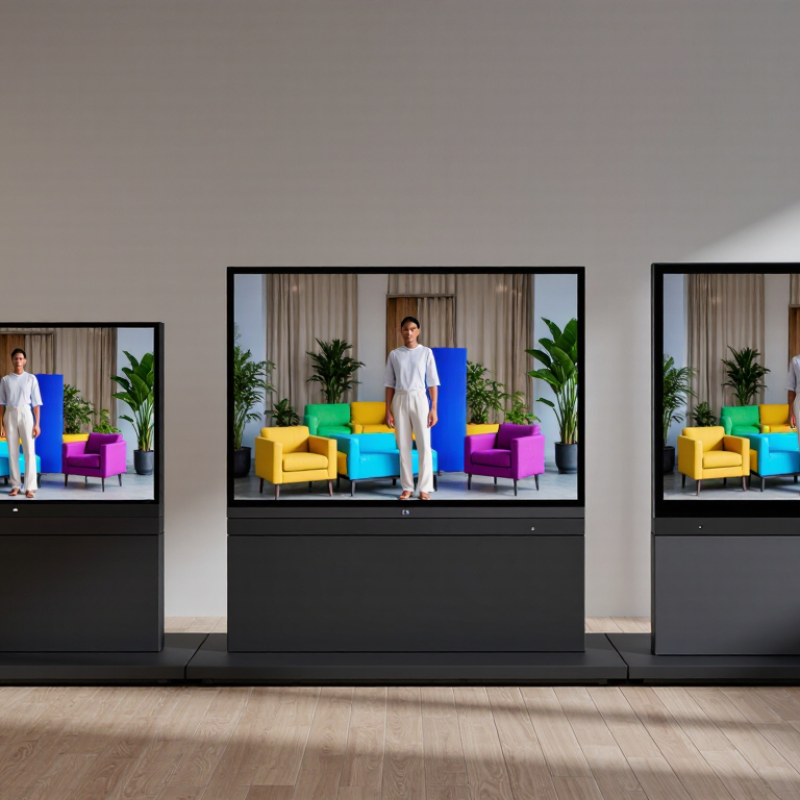
For an indoor COB LED display from China, reliability starts with measurable testing, not attractive specifications. A responsible supplier should inspect every module after aging tests, checking brightness, color consistency, and dead pixels. The agreed limit should be no more than 5% dead pixels, documented in a factory inspection report. Test photos, serial numbers, and replacement procedures add useful evidence.
Front maintenance matters in busy control rooms, retail spaces, and reception areas. Technicians can remove a damaged module from the viewing side without dismantling the rear structure. This reduces repair time and protects nearby equipment. Ask whether the magnetic tools, spare modules, and maintenance instructions are included. Small gaps between modules can still cause visible lines if installation pressure is uneven.
IP30 protection suits controlled indoor environments. It helps protect against solid objects larger than 2.5 millimeters, but it does not protect against water. Keep the display away from leaks, cleaning sprays, and high humidity. A thermal test should also confirm stable operation after several hours of continuous use. Some suppliers provide excellent laboratory data but weaker field support. That difference deserves attention. I would also question any test using perfect room conditions only. Real rooms collect dust, experience voltage variation, and rely on hurried technicians. A careful buyer should review those limits before approving the display.