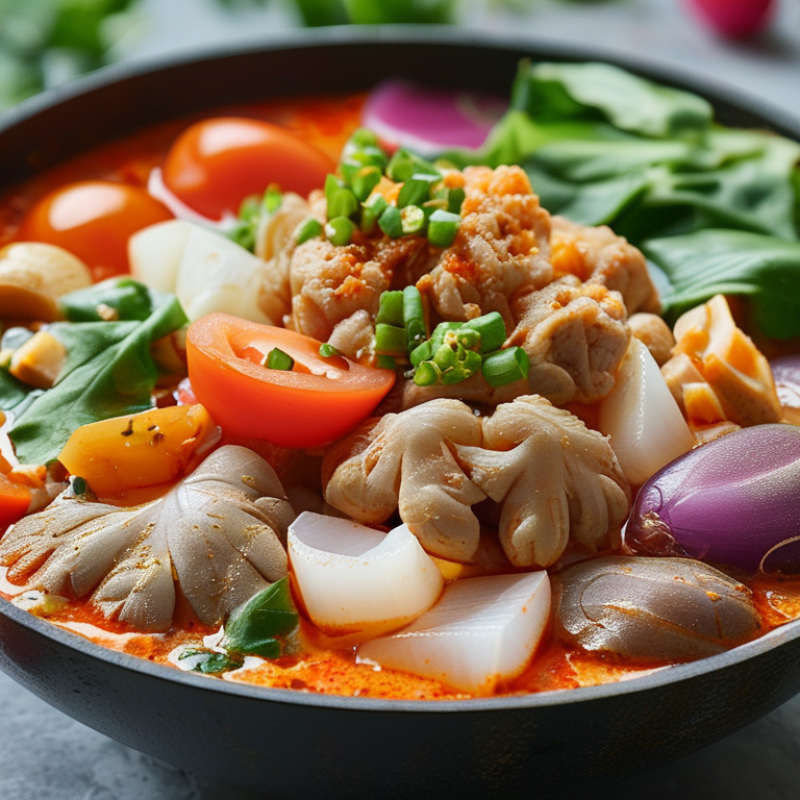
Maocai is a Sichuan-style food business built around a simmering, spicy broth. Customers select vegetables, meat, tofu, noodles, or seafood from a chilled display. Staff cook these ingredients in the broth, then serve them in one bowl. This format combines customization, fast preparation, and strong visual appeal. The eating experience feels personal, but the kitchen process can remain highly repeatable.
Its global growth comes from flexible portions and familiar service steps. A small counter can serve office workers at lunch, while a larger dining room can support groups. For overseas buyers, the most practical expansion type may be a standardized store model supported by a controlled central kitchen. Broth bases, portion guides, food-safety procedures, and staff training should stay consistent. Local teams can adjust spice levels, vegetables, and service habits within clear limits. That balance matters. Too much localization can weaken the product’s identity.
Operators should study ingredient availability, import rules, allergen labeling, and temperature control before opening. A recipe that works in one city may fail elsewhere because of supply costs or local preferences. The aroma may also be too strong for some indoor locations. A careful pilot store can reveal these problems early. Results may be slower than expected. That is useful evidence, not defeat. Reliable expansion depends on documented testing, transparent sourcing, and realistic financial planning rather than trend-based enthusiasm.