7 Best Metal Detectors for Biscuits in 2026?

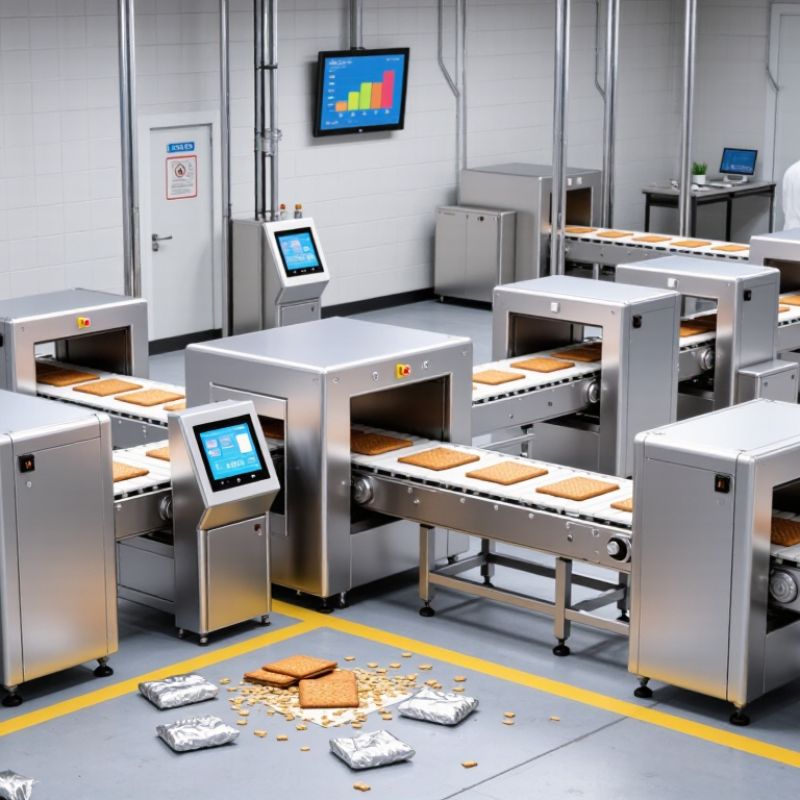
Choosing the right Metal Detector for Biscuits requires more than comparing prices or sensitivity claims. Biscuit production creates practical challenges, including dry crumbs, vibration, foil packaging, and changing product temperatures. A detector must identify ferrous, non-ferrous, and stainless-steel contamination without causing unnecessary product rejection.

Safety comes first.

This guide evaluates seven leading systems for biscuit lines in 2026. The comparison considers detection sensitivity, conveyor integration, product effect, inspection speed, reject accuracy, sanitation, data logging, and service support. These criteria reflect expectations outlined in BRCGS Global Standard Food Safety Issue 9 and the FDA’s preventive controls framework for human food. Both emphasize risk-based controls, verification, traceability, and documented corrective action.

Industry guidance also supports a broader view. PMMI reports on food and beverage packaging trends consistently highlight automation, quality monitoring, and data connectivity as major investment priorities. That matters when a biscuit detector must communicate with checkweighers, vision systems, or production software. A sensitive detector is useful. A stable and auditable system is better.

Real factory conditions can be less tidy than product brochures suggest. Crumbs collect beneath belts. Humidity changes. Operators may adjust settings too quickly. We consider these details because equipment performance depends on installation, calibration, and daily discipline, not hardware alone.

No single machine wins every application. Some models suit high-speed wrapping lines, while others offer simpler operation for smaller bakeries. The final choice should follow documented hazard analysis, validation testing, and actual biscuit samples. Our ranking is practical, but it is not absolute. Supplier support may deserve more attention than impressive laboratory numbers.

7 Best Metal Detectors for Biscuits in 2026?

What Are Metal Detectors for Biscuits and How Do They Work?

A metal detector for biscuits is a food-safety system built into a production line. It checks baked products for unwanted metal fragments before they reach packaging or storage. The word biscuit sounds simple. The inspection task is not.

Inside the detector, a transmitter creates a controlled electromagnetic field through an opening called the aperture. Receiving coils monitor changes in that field as each biscuit passes through. Metal particles disturb the signal, and the control unit evaluates the disturbance. Different settings can identify ferrous metals, non-ferrous metals, and some stainless-steel particles. A conveyor then moves the product toward an automatic rejection point when the signal exceeds the selected limit.

In practical production trials, biscuit texture matters. Dry biscuits usually create fewer problems than moist, salty, or chocolate-coated products. However, warm products, foil packaging, vibration, and uneven spacing can cause false alarms. Operators should test the detector with certified test pieces at planned intervals. They also need to check performance at the beginning, during, and end of a run. Clean records support traceability and help reveal repeated failures.

Calibration is not a one-time task. Product recipes change, and detector sensitivity may change with them. I have found that rushed testing creates misleading confidence. A detector may appear stable while poor conveyor alignment hides a weakness. Careful staff, documented procedures, and realistic test conditions remain essential.

7 Best Metal Detectors for Biscuits in 2026? — What Are Metal Detectors for Biscuits and How Do They Work?
Rank Detector Type Best Use in Biscuit Production Typical Detection Capability Typical Product Opening Typical Line Speed Hygiene and Protection How It Works
1 Conveyor Metal Detector with Automatic Reject Packaged biscuits on continuous production lines where contaminated packs must be removed without stopping the conveyor. Ferrous Non-ferrous Stainless steel
Typical test-piece range: about 0.8–2.5 mm, depending on aperture and product conditions.
Approximately 250–600 mm wide and 100–250 mm high. Approximately 20–80 m/min, depending on pack spacing and conveyor design. Usually stainless-steel construction; food-grade conveyor belt; washdown protection commonly rated IP65 or higher. An electromagnetic field is disturbed when metal passes through the aperture. The control system triggers an air blast, pusher, or belt-stop reject device.
2 Throat Metal Detector for Vertical Bagging Loose biscuits, broken pieces, or snack mixes falling through a vertical packaging machine. All common metal types
Typical sensitivity: about 0.8–2.0 mm for ferrous contamination under suitable conditions.
Approximately 100–250 mm diameter or equivalent product passage. Commonly 30–120 drops/min, depending on the weighing and bagging equipment. Compact hygienic housing; smooth internal surfaces; protection often around IP65–IP69K for suitable washdown installations. The product falls through a sensing coil. A signal change identifies metal before the product enters the finished package.
3 Pipeline Metal Detector for Cream or Filling Lines Filled biscuits, cream, chocolate, or other pumpable ingredients before they reach the depositor or filling head. Ferrous Non-ferrous Stainless steel
Sensitivity varies significantly with conductivity, pressure, temperature, and pipe diameter.
Typically 25–100 mm internal pipe diameter. Approximately 10–100 L/min, depending on product viscosity and pipe size. Sanitary pipe connections; cleanable product-contact surfaces; hygienic designs may support high-pressure washdown. The flowing product passes through a sealed sensing section. A detected signal diverts the flow or stops the pump.
4 Gravity-Fall Metal Detector Dry biscuit crumbs, flour-based inclusions, or crushed biscuits transferred from a hopper to a packaging or mixing stage. Ferrous Non-ferrous Stainless steel
Typical ferrous test-piece range: about 0.8–2.0 mm in a compact aperture.
Approximately 100–300 mm diameter or equivalent rectangular passage. Commonly 20–100 tonnes/hour, depending on bulk density and chute size. Dust-resistant enclosure; sealed sensing head; an automatic flap or diverter is normally installed below the detector. Dry product falls through an electromagnetic field. A fast-acting flap diverts the contaminated portion into a reject container.
5 Multi-Frequency Conveyor Detector Products with varying moisture, salt, chocolate, or other ingredients that can create a stronger product signal. Ferrous Non-ferrous Stainless steel
Typical performance is about 10–30% better for difficult products than a single-frequency setup, subject to validation.
Approximately 250–600 mm wide and 100–250 mm high. Approximately 20–80 m/min. Food-grade stainless-steel frame; hygienic belt design; washdown protection commonly IP65 or above. Two or more operating frequencies help separate the product signal from the signal produced by metal contamination.
6 Checkweigher and Metal Detector Combination Final packaged biscuits where weight verification and metal inspection are required in one compact section of the line. Metal detection Weight verification
Metal sensitivity is typically similar to a conveyor detector; checkweighing accuracy often ranges from about ±0.5–2.0 g, depending on pack weight and speed.
Typically 200–500 mm belt width; product height must remain within the sensing aperture. Approximately 40–160 packs/min, depending on pack size and weighing accuracy. Integrated reject confirmation, belt tracking, and stainless-steel hygienic construction are commonly available. The metal detector inspects the pack while load cells measure its weight. Separate reject logic can remove metal-contaminated or underweight packs.
7 Compact Inspection Detector for Small or Intermittent Lines Small bakeries, pilot lines, seasonal production, or secondary biscuit packing lines with lower throughput. Ferrous Non-ferrous Stainless steel
Typical detection range: about 1.0–2.5 mm, depending on product size and aperture.
Approximately 150–350 mm wide and 75–180 mm high. Approximately 10–40 m/min. Compact stainless-steel frame; basic washdown protection; manual or automatic reject options. The biscuit pack passes through a smaller electromagnetic aperture, and the system alarms or removes the product when a metal signal is detected.
Important: The performance figures above are typical planning ranges rather than guaranteed specifications. Actual sensitivity depends on aperture size, biscuit moisture and salt content, packaging material, product orientation, line speed, electromagnetic noise, and the test standards used. Metal detectors should be validated with certified ferrous, non-ferrous, and stainless-steel test pieces at the intended production speed.

Key Features to Consider When Choosing a Biscuit Metal Detector

A reliable biscuit metal detector must match the production line, not just advertise high sensitivity. Start with the inspection aperture. It should be only slightly larger than the biscuit flow, because excess space can weaken detection performance. Product speed also matters. A detector tested at low speed may behave differently during a busy production run. I have seen small setup changes affect results, especially when biscuits are warm, moist, or wrapped in conductive film.

Sensitivity is important, but stable rejection is equally valuable. Choose a system that detects ferrous, non-ferrous, and stainless-steel fragments without damaging the product flow. An automatic reject device should remove only the affected biscuit, while keeping nearby products moving. A clear alarm helps operators respond quickly. Keep it simple. Confusing controls invite mistakes.

Hygiene and reliability deserve close attention. Look for a sealed, washdown-friendly design, smooth surfaces, and minimal gaps around the conveyor. Data logging can record test results, alarms, and rejected batches, supporting traceability and routine quality checks. Ask whether the detector supports scheduled verification with certified test pieces. Operator training matters too. Even excellent equipment can fail through careless testing or poor cleaning. No detector is perfect. Product effect, vibration, and changing recipes can still cause false rejects. I would test the machine at the real production speed, then repeat the checks after cleaning and during recipe changes. Small details matter.

7 Best Metal Detectors for Biscuits in 2026

Key Features to Consider When Choosing a Biscuit Metal Detector

This chart compares the approximate electrical conductivity of seven metals that may be encountered as contaminants in biscuit production. Conductivity is expressed as a percentage of the International Annealed Copper Standard (IACS) at approximately 20°C.

When selecting a biscuit metal detector, prioritize multi-frequency operation, strong stainless-steel sensitivity, suitable aperture size, hygienic washdown protection, automatic product-effect compensation, validated reject systems, and test-piece traceability. Alloy composition and temperature can affect actual detection performance.

The 7 Best Metal Detectors for Biscuits in 2026

The 7 Best Metal Detectors for Biscuits in 2026 should be judged by verified performance, not impressive advertising. Biscuit production needs stable detection through dry, salty, or chocolate-coated products. A narrow aperture can improve sensitivity, while a correctly sized conveyor reduces false rejects. The detector should identify ferrous, non-ferrous, and stainless-steel fragments. It also needs automatic product compensation for changing recipes.

The World Health Organization reports that contaminated food causes about 600 million illnesses and 420,000 deaths worldwide each year. That figure covers many hazards, not metal alone, but it shows why foreign-body control deserves serious attention. BRCGS Food Safety Issue 9 requires documented controls, routine verification, and effective handling of rejected products. Look for systems that accept certified test pieces, record failures, and stop the line when necessary. Clear records matter.

In factory trials, operators should test biscuit samples at the real production speed. Test pieces should pass through the centre and edges of the aperture. They should also test after cleaning, because moisture can change detector stability. No detector is perfect. That is an uncomfortable point. My own preference would be a simple system with reliable records, not the most complicated interface. A sealed design, hygienic conveyor, and tool-free access can reduce cleaning errors. Independent sensitivity certificates add confidence, but they do not replace daily checks. Performance depends on installation, calibration, belt alignment, and staff discipline. A cheaper detector may fail when the product recipe changes. That possibility deserves more attention in most buying guides.

How to Use a Metal Detector to Find Biscuits Safely and Accurately

A metal detector can locate a metal biscuit tin, decorative biscuit, or buried container, but it cannot detect an ordinary edible biscuit. That distinction matters. Metal responds to the detector’s electromagnetic field, while flour and sugar usually do not. Before searching, obtain landowner permission and check the area for cables, pipes, sharp debris, and unstable ground. Wear gloves, sturdy shoes, and eye protection when opening old containers.

Set the detector to a moderate sensitivity level. Excessive sensitivity often creates false signals from soil minerals, foil, and small iron fragments. Perform ground balancing over clean soil, then sweep the coil slowly and evenly, keeping it close to the surface without touching. A clear, repeatable signal from two directions deserves attention. Pinpoint mode can narrow the target location. Dig carefully with a small hand tool.

Keep the recovery hole neat. Use a probe only when the soil is soft and safe. Never force a tool into a sealed container. Old tins may contain rust, broken glass, insects, or spoiled food. Do not taste or handle unknown contents. Photograph unusual finds before moving them, and wash your hands afterward. I still make mistakes when ground conditions change; one setting does not suit every site. Rechecking a weak signal often improves accuracy more than turning up the power.

How to Maintain and Compare Biscuit Metal Detectors Over Time

Choosing among the 7 best metal detectors for biscuits in 2026 requires more than checking sensitivity. A detector must remain stable beside ovens, conveyors, and flour dust. Record each test result, product temperature, belt speed, and biscuit recipe. Small changes can affect detection performance. Use certified test pieces at the start, middle, and end of production. Inspect the reject mechanism separately. A detector may identify metal correctly but still fail if rejection timing drifts.

Tips: Clean contact surfaces daily with approved food-safe materials. Keep sensors dry. Check cable connections weekly. Store test pieces securely and verify their sizes regularly. Never adjust sensitivity without recording the reason. Compare results monthly, not only after a failure. Use the same biscuit type when possible. Different moisture levels can produce confusing readings.

Long-term comparison should include false rejects, missed test pieces, downtime, and cleaning effort. A simple spreadsheet often reveals patterns that a single inspection misses. One practical lesson is easy to overlook: operators may rush tests during busy shifts. That weakens otherwise good records. Short training refreshers help. Independent verification is useful when results seem unusually perfect. No detector stays accurate by itself. Maintenance history matters as much as the original specification.

Top