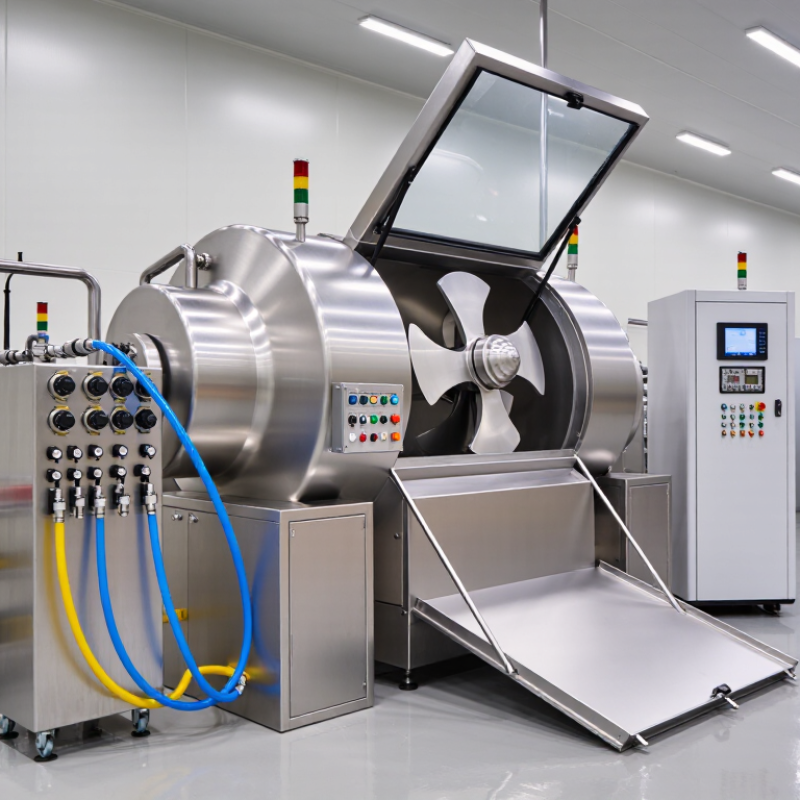
2026 Best PVC Mixer for Global Buyers?
Selecting the best PVC mixer requires more than comparing motor power. Buyers should match the mixer’s capacity, heating method, cooling design, and discharge speed with actual production needs. A reliable supplier should explain torque performance, temperature control, blade materials, and expected batch consistency. Ask for factory test records, operating videos, and references from similar applications. Experience matters here. A polished brochure cannot replace a stable test run.
Tips: Request a sample trial using your PVC formulation. Check mixing time, temperature uniformity, noise, dust control, and cleaning access. Review safety guards, emergency stops, electrical documentation, and applicable conformity reports for your destination market. Compliance requirements differ by country, so written verification is essential. Do not assume one certificate covers every region.
Cost evaluation should include installation, spare parts, training, packaging, inland transport, insurance, duties, and port charges. A cheaper quotation may become expensive after arrival. Confirm payment terms, production lead time, inspection rights, and warranty responsibilities in writing. For global logistics, request moisture-resistant export packaging, clear lifting points, and shock indicators. Confirm the container dimensions early; small oversights can delay shipment.
A perfect checklist does not exist. I would still keep a risk allowance for customs delays, voltage differences, and replacement parts. Supplier communication may look strong before payment, then weaken later. Test that assumption with precise questions and documented replies.