| Press Options |
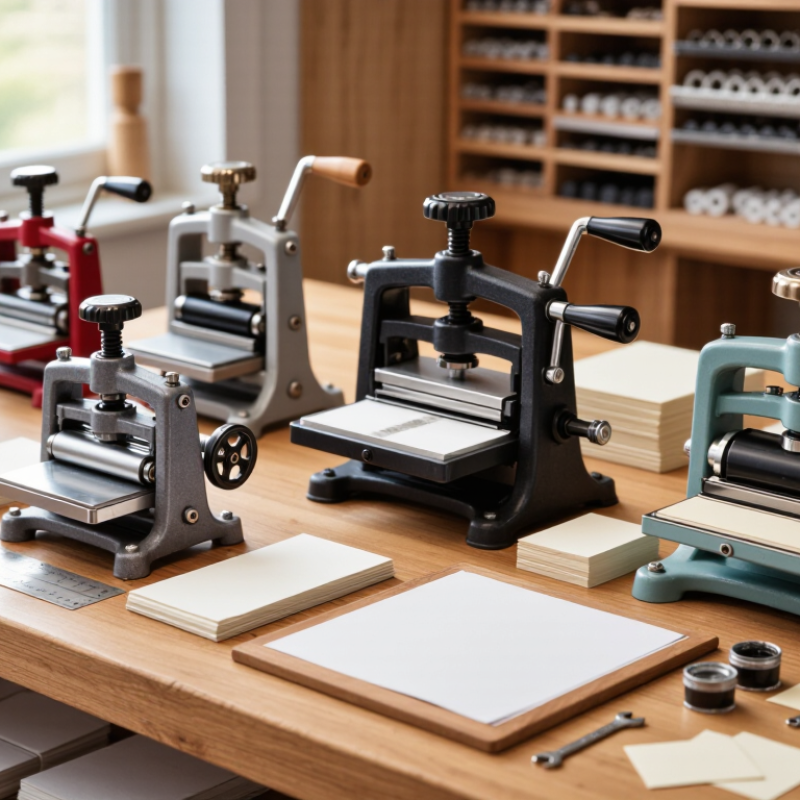
| Used tabletop platen press, as-is | $500–$2,500 | Short runs of cards, invitations, tags, and small stationery; best for buyers who can inspect and repair equipment. | Check for dried ink, rust, loose joints, uneven impression, and worn rollers. Budget for cleaning, adjustment, and replacement parts. | Test the press under load if possible. Confirm platen alignment, safe operation, available parts, and the maximum usable sheet and forme area. |
| Serviced or restored tabletop platen press | $1,500–$5,000+ | Regular production where a tested, adjusted press is preferable to a lower-priced restoration project. | Routine cleaning, lubrication at designated points, roller care, and periodic alignment checks are still required. | Ask what work was completed, which parts were replaced, whether the press was test-printed, and whether setup support is included. |
| Small tabletop proof press | $300–$1,500 | Proofing, demonstrations, small relief prints, and some low-volume work; output and workflow differ from a platen press. | Keep the bed and cylinder clean, inspect the roller surface, and follow the maker's instructions for lubrication and adjustment. | Verify bed size, roller condition, pressure adjustment, and whether the press suits the intended printing method and substrates. |
| Vintage press sold as a restoration project | $200–$1,000, before repairs | Experienced restorers with workshop space, repair skills, and time; usually unsuitable for immediate production. | Repairs can include rust removal, replacement rollers, missing hardware, alignment work, and safe transport. | Inspect for cracks, missing components, seized mechanisms, and structural damage. Obtain repair estimates before committing. |
| Setup and Running Costs |
| Freight, crating, and local delivery | $150–$1,000+ | One-time cost that can be substantial relative to the purchase price of a heavy cast-iron press. | Use suitable lifting equipment and a secure, level location. Moving a press improperly can cause injury or damage. | Get a written delivery quote that states whether crating, lift-gate service, inside delivery, and placement are included. |
| Installation and initial setup | $0–$800+ | Press positioning, inspection, adjustment, and operator orientation; cost depends on distance and the work required. | Follow the equipment manual and use qualified help for heavy lifting or repairs. Do not bypass guards or safety features. | Clarify whether the press will be leveled, tested, and ready to print, and whether training or follow-up support is available. |
| Rollers or roller recovery | $100–$500+ per set or service | Important for even ink distribution and consistent print quality; exact cost depends on press size and roller condition. | Clean rollers promptly with compatible products, store them away from heat and sunlight, and avoid cuts or flat spots. | Confirm roller dimensions, cores, material compatibility, and availability before buying a press that needs replacements. |
| Type, photopolymer plates, and lockup materials | $100–$1,000+ initial setup | Varies widely with the choice of reusable metal type, custom plates, chase equipment, and the range of jobs offered. | Keep type and plates clean, dry, organized, and protected from damage; replace consumables as they wear. | Check plate thickness, mounting method, chase compatibility, and the supplier's requirements for the intended press. |
| Ink, paper, and make-ready materials | $50–$300+ per initial stock order | Recurring production supplies; quantities and costs depend on paper choice, job size, colors, and spoilage. | Store ink and paper as directed. Allow for setup sheets and test prints when estimating job material needs. | Test the chosen stock for thickness, surface, grain direction, and compatibility with the press and printing method. |
| Routine maintenance supplies | $25–$150 per year | Basic cleaning and upkeep for a press in good condition; excludes repairs and replacement parts. | Use only suitable lubricants and cleaning products. Follow the equipment manual and keep a maintenance log. | Ask for the maintenance history and recommended service points; avoid assuming that age alone indicates the press is ready to run. |
| Buying Checklist |
| Print area and job fit | Measure before purchase | Determines whether the press can accommodate the largest planned design, furniture, and margins. | Keep the work area clear and check that the press can be safely operated with the intended setup. | Compare the usable printing area—not just the outside dimensions—with the dimensions of your largest planned job. |
| Condition and print quality | Inspect or request a test print | Affects setup time, consistency, and the amount of repair work needed before production. | Check that moving parts operate smoothly and that the press can be cleaned and adjusted as specified. | Look for even impression, consistent inking, secure fasteners, and no visible cracks or severe corrosion. |
| Space, floor, and workflow | Measure the full working area | Includes room for the press, operator access, paper handling, storage, and safe movement around the machine. | Place the press on a stable, level support suitable for its weight; maintain a clear path for loading and unloading. | Confirm the press's weight and footprint, access through doors and stairs, and any building or floor-load restrictions. |
| Total first-year budget | Press price plus delivery, setup, tooling, supplies, and repairs | Provides a more realistic comparison than the purchase price alone. | Reserve funds for consumables, routine care, and unexpected repairs. | Request separate estimates for the press, transport, parts, and setup; compare the total cost of getting it production-ready. |