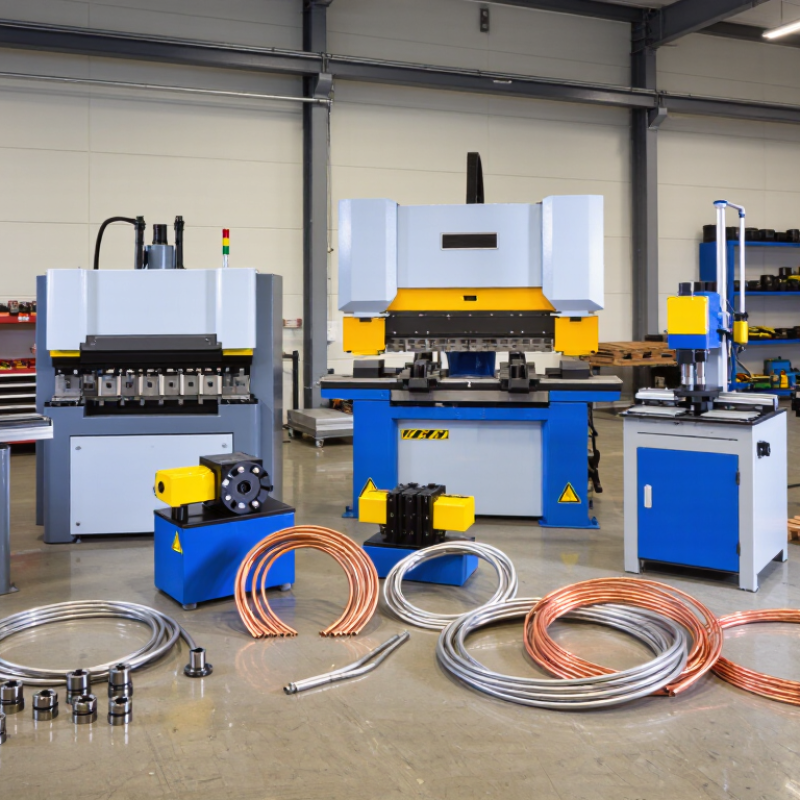
Choosing among the 10 best tube benders for global buyers in 2026 requires more than comparing prices. Start with tube diameter, wall thickness, material, and required bend radius. A machine designed for thin copper may struggle with stainless steel tubing. Check these limits carefully.
Manual benders suit repair teams and low-volume projects. Electric models improve repeatability and reduce operator fatigue. CNC systems offer precise production, but they require trained setup staff and reliable maintenance support.
Look for programmable bend angles, durable tooling, emergency stops, and clear operating instructions. Small details matter. A poorly fitted die can leave marks or flatten the tube.
Global buyers should also confirm power requirements, spare-part availability, packaging quality, and technical support. A machine may perform well in testing but fail during installation if the voltage is unsuitable. Ask for sample bends before purchasing.
Measure the angle, ovality, surface marks, and springback. I have found that supplier claims sometimes sound stronger than the actual results. This deserves careful checking. Independent inspection can also reveal loose fixtures, weak welds, or inaccurate displays. The best tube bender is not always the fastest or cheapest. It should match your materials, production volume, workers’ skills, and long-term service needs.