What Is the Best Water Treatment Valve from China?
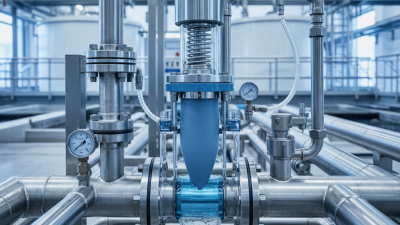
Choosing the best water treatment valve from China requires more than comparing prices or catalog photographs. Valve performance depends on pressure, media, temperature, flow control, and maintenance access. In a compact drinking-water plant, a butterfly valve may save space. A corrosive wastewater line may require a lined diaphragm or resilient-seated gate valve. Small details matter.
The need is substantial. The WHO and UNICEF Joint Monitoring Programme reported that 2.2 billion people lacked safely managed drinking water in 2022. The United Nations World Water Development Report 2024 also highlights rising water stress and stronger demand for dependable infrastructure. These findings place greater pressure on treatment equipment, including valves that must isolate, regulate, and protect process lines. A suitable Chinese supplier should provide traceable materials, pressure-test records, dimensional drawings, and evidence of quality control. Look for testing aligned with ISO 5208, EN 1074, or applicable national standards. For potable applications, NSF/ANSI/CAN 61 or an accepted local equivalent may also be relevant.
There is no universal winner. Not even close. A low-cost valve can become expensive when its seat fails, its actuator lacks protection, or replacement parts arrive late. This comparison therefore considers design, certification, corrosion resistance, automation, service support, and total ownership cost. Factory experience matters, but it should be verified through inspection reports and operating references. The final choice may still be imperfect. Yet a transparent, application-based review offers a more reliable answer than a simple “best seller” ranking.
What Is a Water Treatment Valve and Why Does It Matter?
What Is the Best Water Treatment Valve from China?
What Is a Water Treatment Valve and Why Does It Matter?
A water treatment valve controls, directs, or stops water inside filtration equipment. It may manage softening, backwashing, rinsing, dosing, or tank isolation. Small failures can create large problems. A leaking valve wastes water, lowers pressure, and may allow untreated water to enter the outlet line.
The best valve is not always the most expensive option. It should match the system’s flow rate, pressure, water chemistry, and operating frequency. For example, abrasive media can wear sealing surfaces quickly. Chlorinated water may also affect unsuitable plastics or elastomers. During supplier evaluation, ask for material specifications, pressure-test records, installation drawings, and replacement-part availability. Clear technical documents matter more than attractive product photos.
Tips: Check the valve under real working conditions, not only laboratory claims. Confirm the inlet size and connection type. Test automatic cycles several times. Keep a spare seal kit nearby. A valve that worked well in a sample system may perform differently in a cold, high-pressure plant. I have seen specifications overlook maintenance space, which later made simple repairs frustrating. That detail deserves honest attention.
Which Types of Water Treatment Valves Are Made in China?
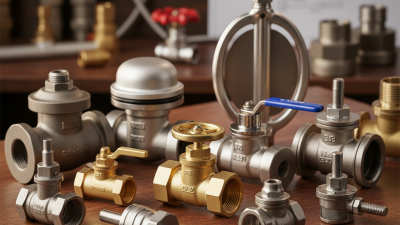
Chinese manufacturers produce many water treatment valve types for municipal, industrial, and commercial systems.
Butterfly valves suit large pipelines and wastewater lines because they are compact and quick to operate.
Gate valves provide full-flow isolation during maintenance.
Globe valves support more precise flow adjustment.
Ball valves work well on smaller dosing and sampling lines.
Check valves prevent reverse flow near pumps and filters.
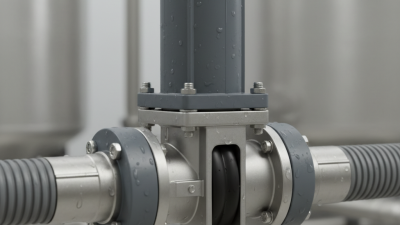
Diaphragm valves handle corrosive chemicals and sensitive fluids with reduced contamination risk.
Automatic options are also widely made in China.
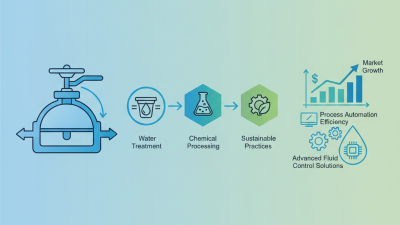
Electric and pneumatic actuated valves help control filtration, backwashing, pressure, and chemical dosing.
Pressure-reducing and control valves support stable operation in changing flow conditions.
The best type depends on fluid chemistry, pressure, temperature, pipe size, and operating frequency.
A common inspection lesson is simple: a polished body does not prove reliable performance.
Casting quality, seat alignment, actuator torque, and sealing tests matter more.
Tips:
Request material certificates, pressure-test records, cycle-test results, and clear drawings.
Confirm the valve’s actual working medium, not only its nominal size.
Ask whether testing follows relevant national or international standards.
Sample inspection can reveal paint flaws, rough threads, or uneven seats.
These small details often predict installation problems.
Still, lower cost may hide weaker seals or limited technical support.
That tradeoff deserves careful review.
What Quality Standards Should Chinese Water Treatment Valves Meet?
What Is the Best Water Treatment Valve from China?
Chinese water treatment valves should meet national, international, and project-specific requirements. The WHO/UNICEF Joint Monitoring Programme 2023 report estimated that 2.2 billion people lacked safely managed drinking water in 2022. This figure makes contamination control more than a purchasing detail. It is a public health concern.
For potable-water service, valve materials should comply with GB/T 17219 or an accepted equivalent, such as NSF/ANSI/CAN 61. Manufacturers should provide composition records, migration tests, and clear material traceability. GB/T 13927 and ISO 5208 can support pressure and leakage testing. EN 1074 is also relevant for valves used in water-supply systems. Test pressure, shell leakage, seat leakage, and operating torque should appear in the inspection report. Traceability matters.
A reliable factory should operate under ISO 9001 controls, but certification alone proves little. I would check batch numbers, calibration records, coating thickness, and independent laboratory results. For corrosive water, epoxy coating adhesion and lining defects deserve close attention. Small details matter. In field inspections, valves may pass a factory test yet fail after poor storage, incorrect flange alignment, or repeated cycling. This is an uncomfortable gap between paperwork and performance. Buyers should specify temperature, pressure, water chemistry, actuator duty, and maintenance conditions before comparing quotations.
How to Choose the Best Chinese Water Treatment Valve for Your System?
What Is the Best Water Treatment Valve from China?
Choosing the best Chinese water treatment valve starts with your system, not the catalog. Define the fluid, flow rate, pressure, temperature, and connection size before comparing suppliers. A valve for filtered drinking water may require different materials than one handling acidic wastewater. That distinction matters.
Check the wetted parts carefully. Stainless steel, PVC, and reinforced plastics each suit different conditions. Confirm the seal material, pressure rating, operating torque, and expected service life. For potable water systems, request relevant material safety documents, such as NSF/ANSI 61 approval where applicable. For industrial projects, review pressure testing records and production quality procedures.
Do not trust attractive photographs alone. Ask for drawings, batch traceability, inspection reports, and a sample valve. Measure the actual dimensions against your existing pipework. A small mismatch can delay installation. I have seen buyers focus on purchase price and overlook actuator compatibility, replacement seals, or delivery of spare parts. That mistake becomes expensive later.
Supplier communication is another practical test. Can the technical team explain cavitation risk, flow direction, cleaning needs, and failure modes clearly? Can they provide consistent answers in writing? One weakness deserves attention: product data may appear complete but still omit cycle testing or coating details. Ask direct questions and record every response. Compare at least two samples under realistic pressure before approving a larger order.