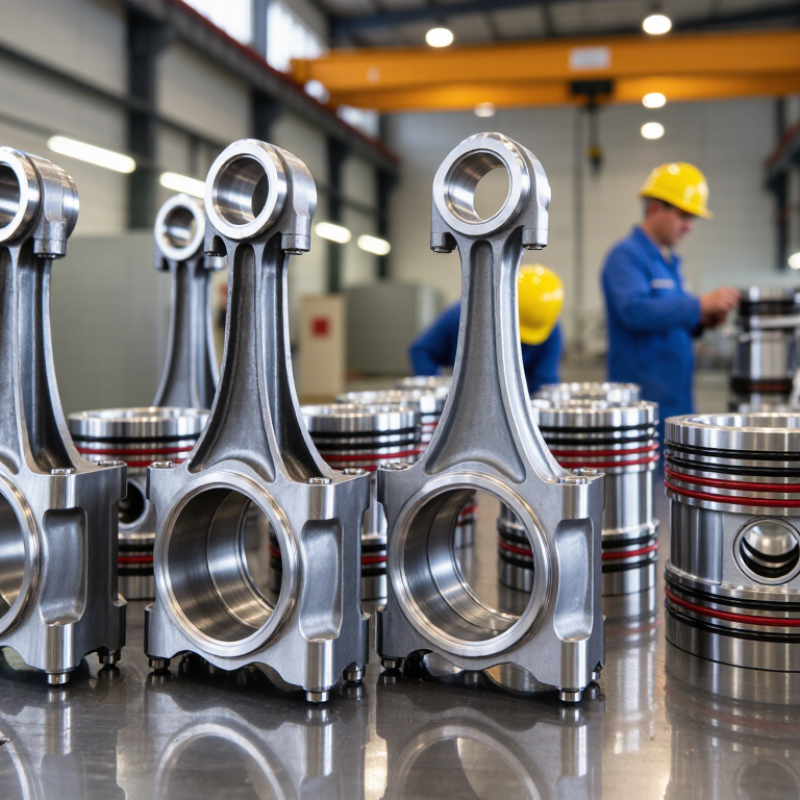
Matching a mud pump piston to the mud is more than choosing a hard-wearing part. Water-based fluids, oil-based fluids, and chemically treated mixtures can affect elastomer swelling and sealing. For abrasive mud containing sand or cuttings, inspect the piston face and sealing edges regularly. Solids can score the liner and shorten service life. High temperatures and poor lubrication add stress. Small details matter. Select the compound and piston style based on fluid chemistry, solids loading, temperature, and expected run time—not mud type alone.
Check operating pressure against the piston’s rated range and the pump’s actual duty cycle. Pressure spikes, frequent starts, and high stroke speeds can increase heat and wear, even when average pressure looks acceptable. Confirm piston diameter, rod connection, liner size, and stroke requirements against the exact pump model. A near-fit is not a fit. A specification sheet cannot predict every field condition, so record leakage, washout, and service hours after installation.
Tips: Share the mud formulation, solids range, pressure, temperature, and pump model with the supplier. Request dimensional drawings and material-compatibility data, then verify measurements before ordering. If wear is uneven, check alignment and liner condition; replacing the piston alone may not solve the problem.