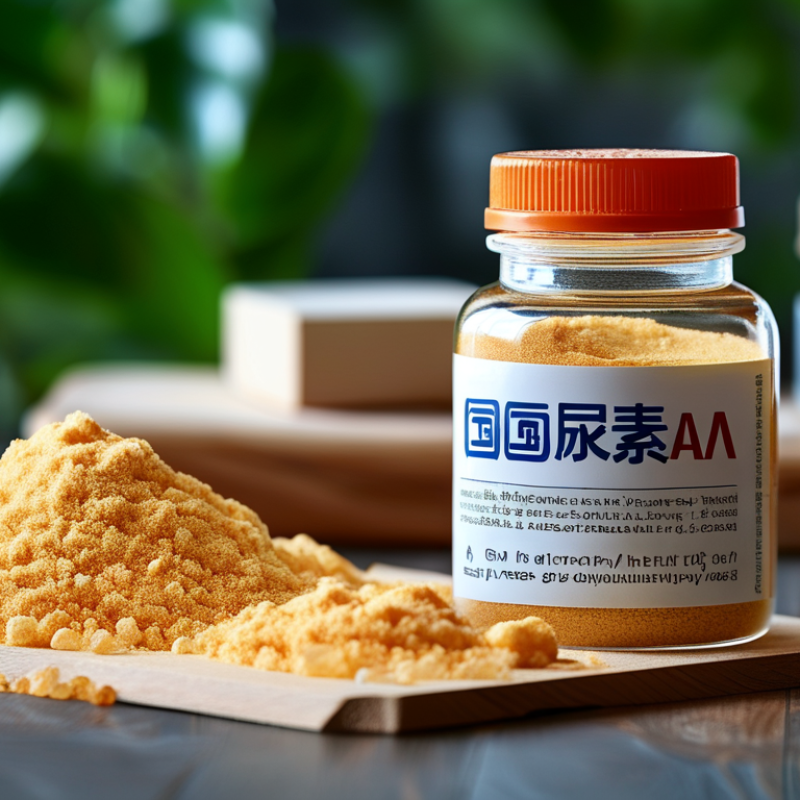
| Chemical Identity | Urolithin A; CAS No. 1143-70-0; molecular formula C13H8O4; relative molecular mass approximately 228.20 g/mol. | Review the specification, product label, certificate of analysis, and identity-testing records. | Confirms that the supplied material matches the intended active ingredient. |
| Manufacturing Route | The process should identify whether the material is produced by chemical synthesis, microbial bioconversion, or another documented route. | Request a process description, raw-material list, process-flow diagram, and change-control history. | The route affects impurity profiles, residual solvents, process controls, and regulatory documentation. |
| Good Manufacturing Practice | Manufacturing should operate under a documented pharmaceutical, food, or dietary-supplement quality system appropriate to the intended market. | Evaluate the current GMP certificate, audit report, quality manual, deviation system, CAPA records, and training records. | A quality system supports batch consistency, investigation, traceability, and corrective action. |
| Appearance | A uniform powder with a defined color and no visible foreign matter, agglomeration, or unusual odor. | Check the approved specification and compare the batch sample with the reference standard. | Visual attributes can indicate contamination, moisture uptake, degradation, or poor handling. |
| Assay and Purity | Use a validated chromatographic method, commonly HPLC or UPLC, with an acceptance limit defined in the product specification. A commercial specification may set a high-purity target such as not less than 98.0%, but the exact limit must be agreed before purchase. | Request chromatograms, reference-standard information, system-suitability results, and method-validation or verification data. | Assay alone does not prove identity or safety; chromatographic impurity separation is also important. |
| Identity Confirmation | Identity should be confirmed using an orthogonal technique such as LC-MS, NMR, FTIR, or a combination of chromatographic retention time and spectral comparison. | Review raw analytical data rather than relying only on a pass/fail statement on the COA. | Orthogonal testing reduces the risk of substitution or misidentification. |
| Related Substances | The specification should list known process-related impurities and define individual and total impurity limits based on toxicological and intended-use assessments. | Request an impurity profile, validated method, impurity reference standards, and batch trend data. | Unknown or uncontrolled impurities may create safety and regulatory risks. |
| Residual Solvents | Residual solvents should comply with the applicable limits in ICH Q3C or the requirements of the destination-market authority. | Verify by headspace GC or another validated method and review the solvent list used during production. | Solvent residues are process-related contaminants with toxicological limits. |
| Elemental Impurities | Lead, arsenic, cadmium, mercury, and other relevant elements should be assessed using a risk-based approach consistent with ICH Q3D or applicable food regulations. | Request ICP-MS or ICP-OES results, sampling details, and information on catalysts, equipment, and raw-material risks. | Elemental contamination can originate from raw materials, catalysts, water, or manufacturing equipment. |
| Microbiological Quality | Define total aerobic microbial count, total yeast and mold count, and absence or limits for specified pathogens according to the intended dosage form and market. | Review testing against applicable pharmacopeial or food methods, such as USP <61> and USP <62> where relevant. | Microbial requirements vary according to product use, formulation, and jurisdiction. |
| Moisture and Water Activity | Set a moisture or loss-on-drying limit appropriate for powder stability; water activity may also be specified when hygroscopicity or microbial control is important. | Review Karl Fischer, loss-on-drying, or water-activity results and confirm the sampling plan. | Excess moisture may affect flowability, chemical stability, and microbial quality. |
| Particle Size and Flow | Specify particle-size distribution, bulk density, tapped density, and flow characteristics when the powder will be encapsulated, tableted, or blended. | Request laser-diffraction or sieve data and confirm that the test method matches the final application. | Physical properties influence blending uniformity, filling accuracy, and process yield. |
| Stability Program | A stability program should evaluate assay, impurities, appearance, moisture, and microbiological quality under defined storage conditions. | Request real-time and accelerated stability data, packaging details, storage conditions, and the proposed retest or expiry period. | Shelf life should be supported by data rather than assigned solely from manufacturing experience. |
| Packaging and Storage | Use sealed, moisture-protective, food-contact- or pharmaceutical-suitable packaging as required, with storage instructions such as a cool, dry, light-protected environment. | Inspect packaging specifications, liner materials, tamper evidence, label controls, and transport conditions. | Packaging protects the powder from humidity, oxygen, light, contamination, and mix-ups. |
| Batch Traceability | Each batch should have a unique lot number linked to raw materials, production records, in-process controls, testing, packaging, and release approval. | Conduct a traceability exercise from finished product back to critical raw materials and production records. | Traceability supports recalls, complaint investigations, and supply-chain accountability. |
| Certificate of Analysis | The COA should include product name, lot number, manufacturing date, test methods, specifications, actual results, release date, retest or expiry date, and authorized approval. | Compare the COA with independent laboratory results and the approved product specification. | A complete COA provides batch-specific evidence instead of generic marketing claims. |
| Independent Verification | Pre-shipment or periodic third-party testing should cover identity, assay, impurities, residual solvents, elemental impurities, and microbiological quality as applicable. | Use a qualified laboratory with documented competence, validated methods, and appropriate chain-of-custody controls. | Independent testing helps confirm supplier data and supports qualification of a new source. |
| Regulatory and Market Compliance | Confirm the legal status, permitted claims, labeling rules, import documents, and notification or registration requirements in the destination market before commercial launch. | Complete a market-specific regulatory review and obtain supporting documents such as allergen, GMO, BSE/TSE, non-irradiation, and country-of-origin statements where required. | A material may meet chemical specifications but still require additional regulatory review for a particular use or country. |