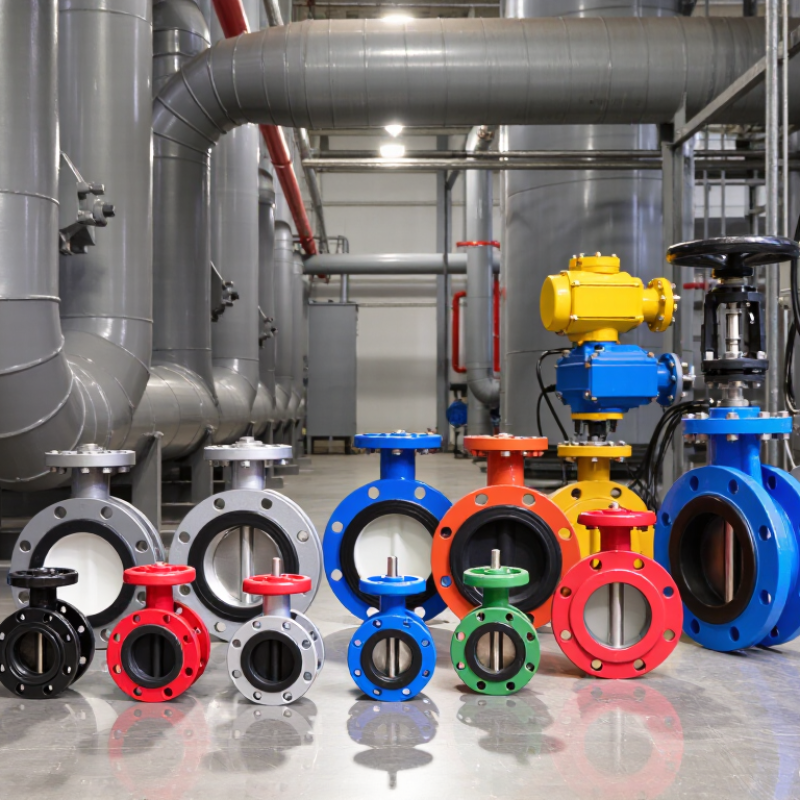
Across China’s butterfly-valve manufacturing sector, product ranges commonly include concentric, double-offset, and triple-offset designs. Resilient-seated valves are often used for water and general services, while metal-seated models can suit higher temperatures. Manufacturers may also offer wafer, lug, and flanged connections for different pipeline layouts. Details matter.
These products serve municipal water networks, wastewater plants, power stations, chemical processing, and building services. In a water-treatment facility, operators may need corrosion-resistant materials and reliable shutoff around pumps. A process line handling hot fluids may call for a different seat, disc, and pressure rating. One valve type does not fit every duty.
Buyers should compare operating pressure, temperature, media compatibility, end connections, and actuator requirements—not just nominal diameter. Ask for relevant test records and clear material specifications, then verify that they match the intended service. This sounds basic, but specifications can be easy to misread when several options look similar. The right choice depends on actual site conditions, which product brochures cannot always capture.