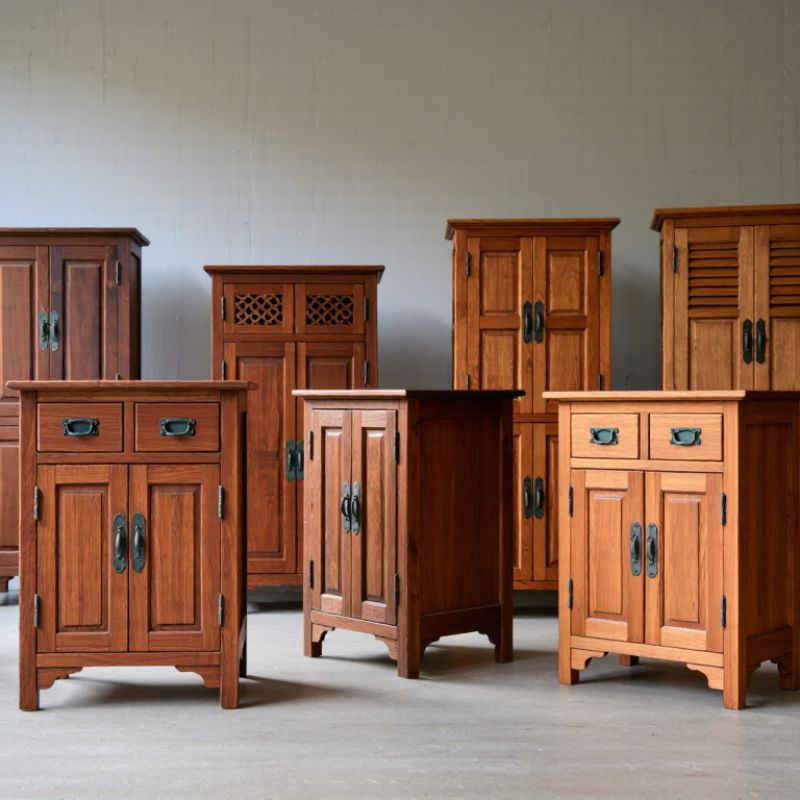
| 1 | Product construction | Cabinet structure, panel or solid-wood components, back-panel attachment, drawer and door construction, and hardware specification. | Dimensioned drawings, bill of materials, hardware schedule, and a pre-production sample or approved reference sample. | Confirm that the quotation and approved sample describe the same materials, fittings, dimensions, and assembly method. |
| 2 | Vintage finish consistency | Color, sheen, distressing pattern, edge treatment, and permitted variation between units. | Signed finish sample, color reference, approved limit sample, and written description of acceptable variation. | Define the intended appearance in writing. “Vintage” or “antique” alone is not a measurable finish specification. |
| 3 | Material identification | Wood species, engineered-wood type, veneer, substrate, adhesives, coatings, and any recycled or reclaimed material claims. | Material declarations, supplier specifications, and traceability documents where required by the buyer or destination. | Check that declared materials match the sample and purchase contract. Verify restricted-species requirements for the destination. |
| 4 | Dimensional and functional checks | Overall dimensions, shelf spacing, door alignment, drawer operation, stability, and hardware function. | Inspection checklist with specified measurement points and pass/fail criteria; inspection records for production lots. | Set tolerances and functional acceptance criteria before production rather than relying on general statements such as “good quality.” |
| 5 | Quality-control process | Incoming-material checks, in-process inspection, final inspection, defect classification, and corrective-action handling. | Written QC procedure, sample inspection report, defect photos, and a documented corrective-action example. | Agree on the inspection stage, sampling method, defect definitions, and remedies for nonconforming goods in the contract. |
| 6 | Finish and chemical compliance | Applicable restrictions or emissions limits for coatings, adhesives, and composite wood products in the destination market. | Test reports or declarations that identify the tested product or material, test method, issuing laboratory, and report date. | Requirements vary by market and product. Confirm the applicable rules with the importer or compliance specialist; do not treat a generic certificate as proof of every requirement. |
| 7 | Sample and production lead time | Separate timelines for sample development, sample approval, material sourcing, production, inspection, and shipment readiness. | Written production schedule showing milestones, dependencies, order quantity, and the event that starts the lead-time clock. | Compare like-for-like quotations. Ask how holidays, sample revisions, late approvals, and material shortages affect the schedule. |
| 8 | Packaging and transit protection | Protection for corners, doors, finish surfaces, hardware, and flat-packed or assembled components; carton dimensions and shipping marks. | Packaging specification, carton-drop or transit-test records when available, packing photos, and a confirmed carton count. | Approve packaging against the shipping method and handling risks. ISPM 15 applies to regulated wood packaging in international trade; check whether the shipment uses such packaging. |
| 9 | Export documents and customs data | Commercial invoice, packing list, transport document, declared product description, origin information, and any destination-specific documents. | Redacted examples of export paperwork and confirmation of who prepares each document and verifies shipment details. | Have the importer or customs broker confirm tariff classification and destination requirements. Do not rely on a supplier’s HS-code suggestion as a binding customs decision. |
| 10 | Supplier verification and accountability | Whether the counterparty can substantiate its production role, communicate changes, and support claims about capacity or certifications. | Business registration details, facility or process evidence, relevant certification scope, named quality contact, and agreed warranty or claims process. | Check that documents are current and apply to the correct legal entity, site, product, and scope. A management-system certificate is not, by itself, proof that a specific cabinet meets product requirements. |