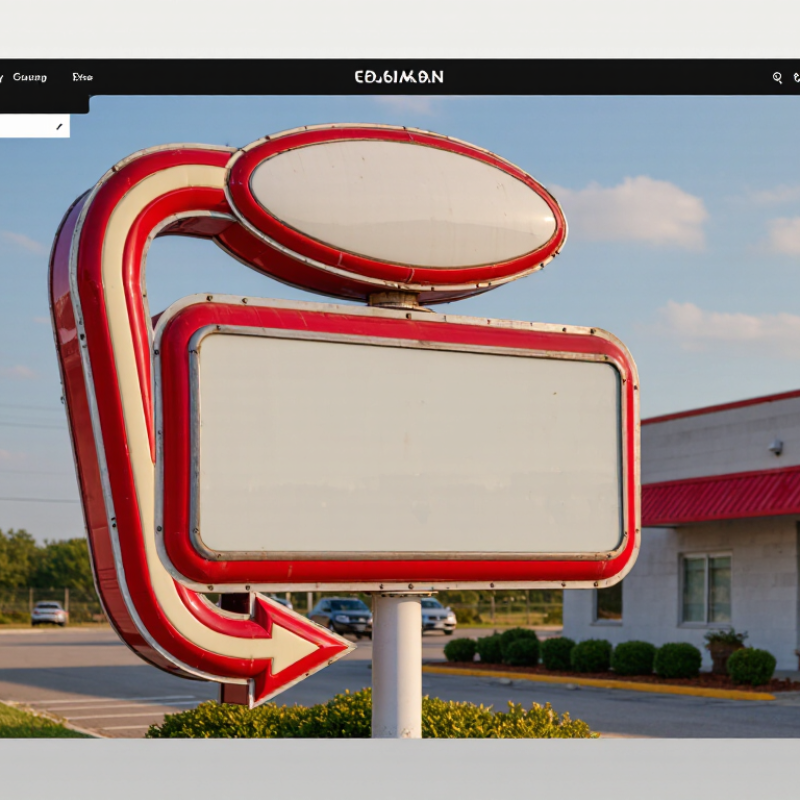
| Weather Protection | IEC 60529 IP65: dust-tight and protected against water jets from any direction. | Outdoor signs are exposed to dust, rain, splash, and routine cleaning. | Request the IP rating for the complete assembled sign, not only for an individual component. |
| Meaning of IP65 | The first digit, 6, indicates dust-tight construction. The second digit, 5, indicates protection against water jets. | It provides a clear, standardized way to compare enclosure resistance to solids and water. | Confirm that the test documentation refers to IEC 60529 or an equivalent national adoption. |
| Water Exposure Limit | IP65 is not a rating for immersion and does not guarantee protection against high-pressure or high-temperature cleaning. | Incorrect cleaning methods can force water past seals, cable entries, or service openings. | Keep the sign away from direct pressure-washer spray and follow the supplier’s cleaning instructions. |
| Installation Location | Use a weather-protected outdoor sign for façades, forecourts, entrances, cafés, garages, and themed retail spaces. | A sheltered position reduces direct rain and sunlight exposure while improving service life. | Measure wall clearance, viewing distance, mounting height, and the direction of prevailing rain. |
| Enclosure Material | Powder-coated steel or aluminum with corrosion-resistant fasteners and sealed joints. | Metal construction supports a vintage appearance and helps resist outdoor wear when properly finished. | Check coating quality, drainage provisions, edge protection, and fastener material. |
| Lighting Type | Sealed LED illumination with a warm-white color temperature around 2700–3000 K for a classic appearance. | LEDs generally use less energy and produce less heat than traditional incandescent lighting. | Verify the LED driver’s outdoor suitability, ventilation requirements, and replacement method. |
| Electrical Supply | Select a voltage compatible with the local electrical system and use an appropriately rated outdoor connection. | Correct voltage and protected wiring reduce the risk of malfunction and electrical hazards. | Confirm input voltage, power consumption, grounding requirements, cable length, and connection method. |
| Visibility and Size | Choose dimensions and contrast according to the viewing distance, mounting height, and surrounding lighting. | A sign that is attractive but too small or dim may not be noticed by passing customers. | Review a scaled drawing and assess readability during both daytime and nighttime conditions. |
| Mounting Hardware | Use secure brackets, corrosion-resistant hardware, and fixings suitable for the wall or support structure. | Wind load and vibration can loosen an inadequately supported sign. | Check the sign weight, fixing points, substrate condition, local wind exposure, and professional installation requirements. |
| Maintenance Access | Use a design with accessible service panels, replaceable seals, and protected cable glands. | Routine inspection helps preserve sealing performance and lighting reliability. | Ask how seals, LEDs, drivers, and transparent covers can be inspected or replaced without damaging the enclosure. |