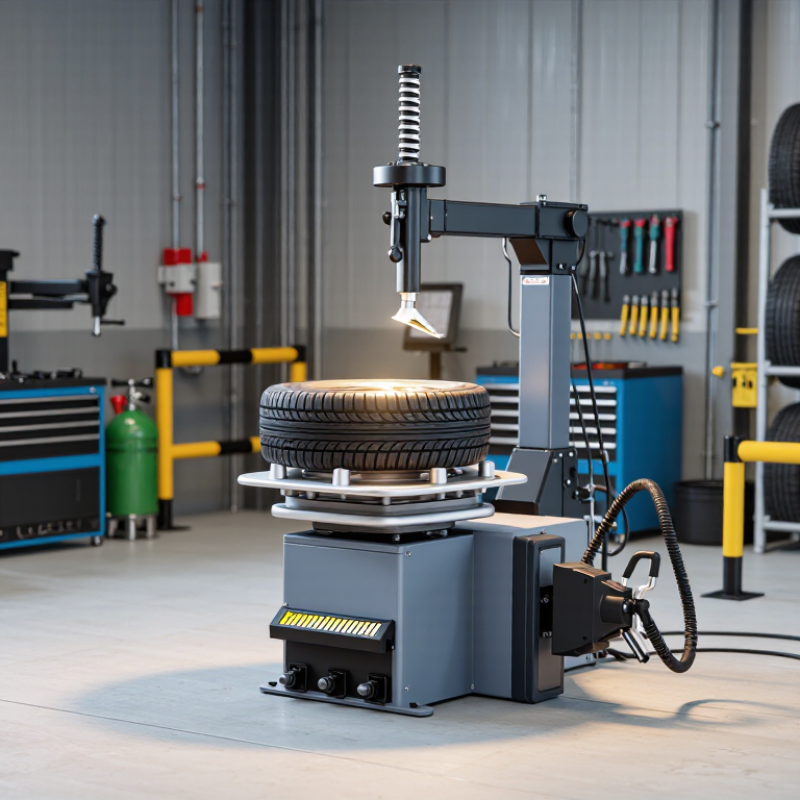
| Portable manual spreader | Low-volume workshops, occasional puncture repairs, or work areas where equipment must be moved or stored. | Generally low. Keep moving joints clean, inspect the frame and contact points for damage, and lubricate pivots when needed. | Before use: check stability, fasteners, moving parts, and any protective pads or contact surfaces. | Requires more hands-on positioning and adjustment. Does not depend on a compressor or electrical supply. | Low | Good value when use is occasional and low purchase and upkeep costs matter more than speed. |
| Floor-standing manual spreader | General repair shops with regular tyre service and enough floor space for a fixed workstation. | Low to moderate. Clean and inspect the mechanism routinely; check the base, fasteners, and wear surfaces for looseness or damage. | Before use: confirm the unit is secure and stable. Periodically check pivot points and threaded or sliding parts for smooth movement. | Usually more stable and convenient to position than a portable unit, but adjustment is still manual. | Low to moderate | A practical balance for shops needing a dedicated work position without adding pneumatic-system upkeep. |
| Pneumatic spreader | Busy workshops with a suitable compressed-air supply and frequent tyre inspection or repair work. | Moderate. In addition to mechanical checks, maintain the air connection and follow the equipment maker's guidance for air quality, lubrication, and pressure. | Check hoses, fittings, controls, and the air supply for leaks or visible wear. Keep the work area and moving parts clean. | Air-powered operation can reduce manual effort. Requires a compatible compressor, suitable connections, and attention to air-system condition. | Moderate | Often worthwhile when regular use saves operator time; value falls if the shop lacks reliable compressed air. |
| Heavy-duty pneumatic spreader | High-throughput service areas that regularly handle a broad mix of compatible tyre and wheel assemblies. | Moderate to higher. More frequent use makes scheduled inspection of air components, controls, frame, and wear points especially important. | Inspect before use and keep a written maintenance log. Address air leaks, unusual movement, or damaged contact surfaces promptly. | Designed for repeated use, but requires adequate floor space, a dependable air supply, and staff training for safe operation. | Moderate to high | Can deliver strong long-term value in a high-volume shop if its capacity matches the actual workload and maintenance is kept current. |