How to Choose the Best Ceramic Mixer Machine for Your Needs?
Selecting the right ceramic mixer machine is crucial for achieving high-quality outputs in the ceramics industry. According to a recent market analysis, the global ceramic mixer machine market is expected to grow at a CAGR of 6.5% over the next five years. This growth highlights the rising demand for efficient mixing equipment in pottery, tile production, and other ceramic applications.
Choosing a ceramic mixer machine involves several factors. The machine's capacity, mixing efficiency, and compatibility with different materials should align with your specific needs. Industry experts suggest that proper assessment can significantly enhance production efficiency and end-product quality. However, many users often overlook operational costs and maintenance requirements, leading to unexpected downtimes.
It's essential to reflect on these aspects when making a decision. The right choice is not solely based on features but also on how well the equipment fits into your workflow. Careful consideration ensures that you invest wisely and optimize your production process, ultimately leading to better products and customer satisfaction.
Understanding the Basics of Ceramic Mixer Machines
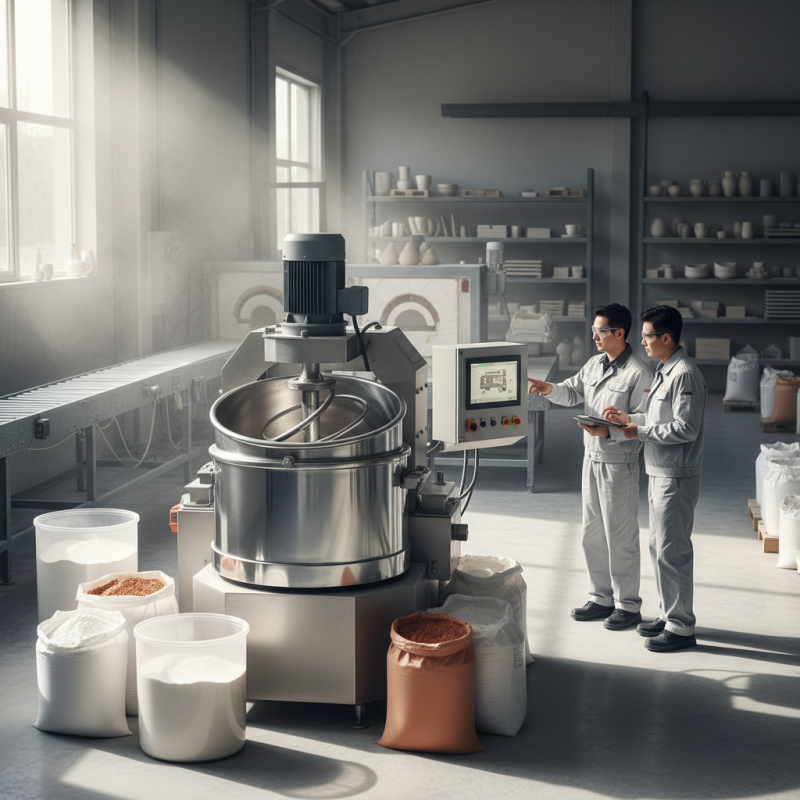
Ceramic mixer machines play a vital role in the ceramics industry. They blend various raw materials to create the perfect mixture for products like tiles and pottery. Understanding how these machines work is crucial for making an informed choice.
The mixing process involves several stages. First, a precise ratio of materials is loaded. This includes clay, glaze, and additives. According to industry reports, the right proportions can enhance the final product’s quality. Using a mixer with adjustable settings allows for customization based on material type. This can affect the viscosity and consistency of the mixture.
Choosing the right mixer also depends on capacity and efficiency. Larger mixers may produce more ceramic material faster, but they also require more energy. Some studies suggest that energy consumption can vary by up to 20% between different models. This factor can impact overall costs. For smaller operations, a compact mixer may suffice, yet it may limit production output. Balancing capacity and energy efficiency is essential for sustainability.
How to Choose the Best Ceramic Mixer Machine for Your Needs
| Feature | Description | Benefits |
| Capacity | Indicates the maximum volume of materials that can be mixed at one time. | Allows for efficient mixing without the need for multiple batches. |
| Speed Settings | Adjustable speed options to cater to various mixing requirements. | Provides flexibility for different types of materials and desired consistency. |
| Power Rating | The amount of power the mixer uses to operate. | A higher power rating often means better performance and durability. |
| Mixing Technology | Different technologies such as planetary, ribbon, or rotor mixing. | Ensures thorough mixing of materials, even with varying densities. |
| Material Build | The construction material of the mixer, such as stainless steel or plastic. | Durability and ease of cleaning are often associated with high-quality materials. |
| Safety Features | Includes emergency stops, lid locks, and sensors. | Protects operators and prevents accidents during operation. |
| Ease of Maintenance | Design aspects that facilitate cleaning and servicing. | Reduces downtime and prolongs the lifespan of the mixer. |
Identifying Your Specific Mixing Requirements
When selecting the best ceramic mixer machine, identifying your specific mixing requirements is crucial. Different projects demand varying consistencies and volumes. For instance, if you're working with heavy clay, a more robust mixer will be essential. According to industry reports, around 45% of ceramic manufacturers find that inadequate mixing leads to inconsistent product quality.
It's important to consider the batch size you'll typically handle. If you often mix small batches for custom projects, a compact, portable mixer might suffice. However, larger operations may need industrial-grade machinery that can handle higher volumes. Reports indicate that 60% of users who match their mixer size to their needs see improved efficiency in production.
**Tip:** Evaluate the consistency you require for your mixes. A mixer with adjustable speed settings can provide better control over the blending process. Also, assess the features you truly need. Avoid machines with excessive functionalities that you may never use. Simple and effective designs often yield the best results.
Comparison of Mixer Machine Types Based on Mixing Efficiency
Evaluating Key Features of Ceramic Mixer Machines
When evaluating ceramic mixer machines, several key features should be closely examined. The mixing capacity is crucial. Data indicates that machines with a larger capacity can handle up to 300 liters of material, which is beneficial for larger projects. However, for smaller tasks, a capacity of 50-100 liters may suffice. Smaller mixers often provide better precision and control, which some manufacturers prefer.
Another vital aspect is the mixing speed. The best mixers offer variable speeds, allowing users to adjust according to the materials' viscosity. Research shows that a mixing speed range of 50 to 300 RPM tends to yield optimal results without compromising the integrity of the ceramic mixture. Additionally, consider the machine's design and mobility. Some mixers are stationary, while others are portable. Portability may be essential for workshops with limited space.
Durability is also a major factor. These machines should withstand harsh conditions, particularly in industrial settings. Stainless steel components often last longer than plastic or lower-quality materials. However, even durable machines can wear down over time. Regular maintenance is necessary but can be overlooked, leading to unexpected downtimes. Keep all these features in mind for the best choice.
Comparing Different Brands and Models on the Market
When selecting a ceramic mixer machine, it's essential to compare various brands and models available. The market offers numerous options, each with unique features and specifications. A recent industry report indicated that over 65% of small to medium-sized businesses report satisfaction in the performance of mid-range machines. However, this satisfaction can vary greatly depending on specific needs.
It’s crucial to consider the capacity of the mixer. Some models handle larger batches while others are designed for smaller operations. Efficiency is key. A machine that operates at a lower speed may lead to prolonged mixing times. On average, higher rpm mixers can reduce processing time by nearly 20%. Yet, they may not always yield the best texture or consistency, leading to mixed feedback from users.
User reviews often highlight the importance of durability. Machines exposed to daily heavy use tend to wear out quickly. Some brands promise longevity but fail to deliver. It's worth reflecting on warranty offerings and customer service. Several recent surveys noted that models with comprehensive support received a 30% higher satisfaction rate. Choosing the best ceramic mixer machine involves a balance of performance, durability, and support, yet the ideal choice might remain subjective and personal.
Making an Informed Decision: Price vs. Quality
When choosing a ceramic mixer machine, evaluating price and quality is critical. A 2022 industry report revealed that 70% of manufacturers prioritize quality over cost. This indicates a strong market trend favoring durable and efficient machinery even if it incurs higher initial expenses. Cheaper machines may seem appealing, but they often fall short of performance expectations, leading to costly repairs or replacements down the line.
Quality ceramic mixer machines typically feature advanced materials and engineering, which enhance longevity and function. According to a survey by the Ceramic Industry Association, 60% of users experienced issues with lower-priced products due to inferior construction. In contrast, machines in a higher price range offer better warranties and customer support, which can save users time and resources.
However, the allure of lower prices often tempts buyers. It’s essential to balance cost and functionality. A well-made machine might seem pricey initially, but its efficiency can lead to significant savings over time. Investing in quality will pay off through reduced maintenance and consistent performance, making it a smarter choice in the long run. Remember, what appears economical today could lead to frustrations tomorrow.