How to Choose the Best Ltcc Screen Printing Machine?
Choosing the right Ltcc Screen Printing Machine is critical for achieving high-quality prints. This decision impacts efficiency and production quality. The global screen printing market is expected to reach $5 billion by 2026, showcasing the equipment's importance in various industries. Businesses must consider factors like print resolution, speed, and versatility.
The advancements in Ltcc technology enhance precision and reduce waste. Reports indicate that machines with improved UV curing processes boost efficiency by 30%. However, selecting the right machine can be overwhelming, as variations in models exist. Industry professionals often note that many machines fail to meet specific business needs.
Investing in an Ltcc Screen Printing Machine requires careful evaluation. It is essential to analyze your production demands and budget constraints. Some users may underestimate ongoing maintenance costs. Reflecting on the long-term value of chosen equipment can save businesses money in the future. Quality matters, and making an informed choice is crucial.
Understanding LTCC Screen Printing Technology
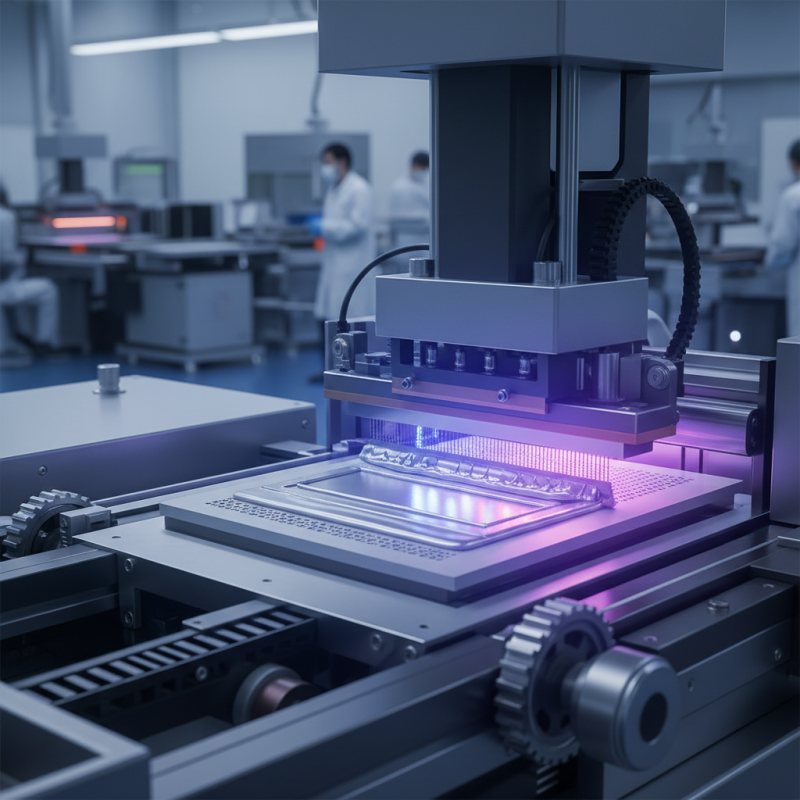
LTCC (Low-Temperature Co-fired Ceramic) screen printing technology is revolutionizing the electronics manufacturing industry. This method allows for the creation of complex ceramic substrates that can encapsulate a variety of features such as resistors and inductors. According to recent industry reports, the LTCC market is projected to grow at a CAGR of over 10% by 2025, highlighting the increasing demand for high-performance components in telecommunications and automotive sectors.
One of the main advantages of LTCC is its ability to integrate multiple functionalities into a compact design. With a lower sintering temperature, these materials maintain their physical properties while minimizing the risk of defects. Research indicates that components produced using LTCC technologies can withstand high frequencies and harsh environments, making them ideal for advanced applications. However, the manufacturing process can be somewhat unpredictable, often influenced by factors such as material layering and the precision of printing parameters.
Despite its benefits, users must consider potential challenges. The initial setup costs can be substantial, and fine-tuning the parameters may require extensive experimentation. Furthermore, many manufacturers face the issue of variation in green state quality, which can severely impact the final product. Continuous research and development efforts are essential to address these limitations while enhancing the capabilities of LTCC screen printing technology.
How to Choose the Best LTCC Screen Printing Machine?
| Feature | Description | Importance | Recommended Value |
| Printing Speed | Rate at which the machine prints, typically in cm²/hour. | High | 1000 cm²/hour or higher |
| Registration Accuracy | Precision of aligning layers during printing. | Critical | ± 5 µm |
| Flexibility | Ability to print on varied substrates. | Medium | Able to handle multiple materials |
| User Interface | Ease of use and navigation in operating the machine. | High | Touchscreen with intuitive controls |
| Maintenance Cost | Regular expenses related to upkeep of the machine. | High | $500 per year or lower |
| Training Requirements | Time and resources needed for operator training. | Medium | Less than 10 hours |
Key Features to Consider in LTCC Screen Printing Machines
When choosing an LTCC screen printing machine, focus on key features that determine effectiveness and efficiency. Accuracy in printing is vital. Look for machines that offer precise alignment and registration capabilities. This ensures that printed layers align perfectly. A machine with adjustable settings can accommodate various layer thicknesses, enhancing versatility.
Speed is another important factor. Faster machines can increase production output. However, speed should not compromise quality. Balancing both aspects is crucial. Evaluate the machine’s throughput and how it handles different materials. Machines that can manage various substrates are often more valuable.
Here’s a tip: always consider the ease of operation. A user-friendly interface can save time during setup and reduce errors. Additionally, check for the availability of customer support. Reliable after-sales service can alleviate concerns if issues arise. Investing in a machine with a good track record and positive reviews can make a difference in your printing needs. Remember, the best choice aligns with your specific requirements and production goals.
Comparative Analysis of Different LTCC Screen Printers
Choosing the right LTCC screen printing machine can be challenging. Many factors impact performance and output quality. A detailed comparison helps narrow down the options.
When evaluating different LTCC screen printers, focus on the precision of the printing process. Machines with advanced squeegee technology often ensure better paste deposition. Consider the ease of setup and operation. Some models may require extensive training to use effectively. This can lead to inefficiencies during the production phase.
Another critical factor is durability. A robust machine can handle high-volume tasks without frequent breakdowns. Look into customer feedback for insights on longevity. Some printers may suffer from consistent quality issues. Finding a balance between functionality and price is essential. Aim for a machine that meets your specifications without overspending. Analyze your specific needs to make an informed choice.
Evaluating Cost-Effectiveness of LTCC Screen Printing Solutions
When evaluating the cost-effectiveness of LTCC screen printing solutions, several factors come into play. The initial investment is crucial. A high-quality machine may require a significant upfront cost. However, consider its durability and efficiency. A more expensive machine might save money in the long run through fewer repairs and greater output. Maintenance expenses can also impact total costs. Regular upkeep is essential for high-functioning equipment.
Another important aspect is the material waste during the printing process. Lower-quality machines often produce more waste, increasing material costs. Analyzing how efficiently a machine uses materials can provide insight into its overall value. Training for operators adds another layer to the cost. Experienced personnel may lead to better outcomes and less trial and error, which saves time and resources.
While considering these factors, keep in mind that not every machine suits every application. Some businesses may prioritize speed, while others may focus on quality. Assessing your specific needs versus machine capabilities helps in making informed choices. Reflect on previous experiences with different machines. This reflection can reveal both strengths and weaknesses, which directly influence cost-effectiveness in your production process.
Maintenance Tips for LTCC Screen Printing Machines
Maintaining LTCC screen printing machines is crucial for optimal performance. Regular cleaning helps prevent dust buildup. Neglecting this can lead to print quality issues. Use a soft cloth to wipe down surfaces after each use. This simple step can extend the life of your equipment.
Check the alignment of the screen regularly. Misalignment can cause uneven prints. It’s easy to overlook, but it’s essential for quality. Adjusting the screens may require careful measurements. Over time, wear and tear can affect tension. Regularly inspect the tension of your screens, too.
Lubrication is key. Apply lubricant to moving parts frequently. This prevents friction, which can lead to breakdowns. Listen for unusual sounds; they can indicate potential problems. Having a checklist for maintenance tasks can be beneficial. Create a routine and stick to it. Reflecting on these practices can help identify areas for improvement. Regular maintenance not only enhances performance but also ensures longevity of your machine.
