How to Choose ZX200 or ZX330 Excavators in 2026?
Choosing between ZX200 and ZX330 excavators in 2026 requires more than comparing engine power. The correct decision depends on ground conditions, transport limits, attachment demands, and expected working hours. A ZX200 typically suits utility trenches, road maintenance, and medium-sized foundations. A ZX330 offers greater digging force and production capacity for quarry work, deep excavation, and large earthmoving projects. The difference becomes visible at the jobsite: wider tracks, heavier counterweight, and larger buckets can change daily output significantly.
Industry data supports careful equipment selection. Off-Highway Research’s Global Construction Equipment Market Review identifies excavators as a major part of worldwide construction equipment demand. GlobalData’s construction equipment analysis also highlights fleet renewal, fuel efficiency, and rental demand as important market drivers through 2026. The Association of Equipment Manufacturers continues to report that interest-rate pressure, infrastructure investment, and contractor confidence influence equipment purchasing decisions. These reports provide useful direction, but they cannot replace a site assessment.
For ZX200/ZX330 buyers, the practical comparison should include hourly fuel use, cycle time, hydraulic performance, service access, and resale value. Ask how many truckloads each machine can fill per shift. Check whether the selected model fits local haul roads and lifting regulations. A larger excavator is not automatically more profitable. It may idle when the project lacks enough trucks. That mistake is common. I would also verify the exact year, regional specification, undercarriage condition, and maintenance records before judging performance. Manufacturer brochures can differ by market. Field inspection still matters. Numbers help, but muddy ground often gives the final answer.
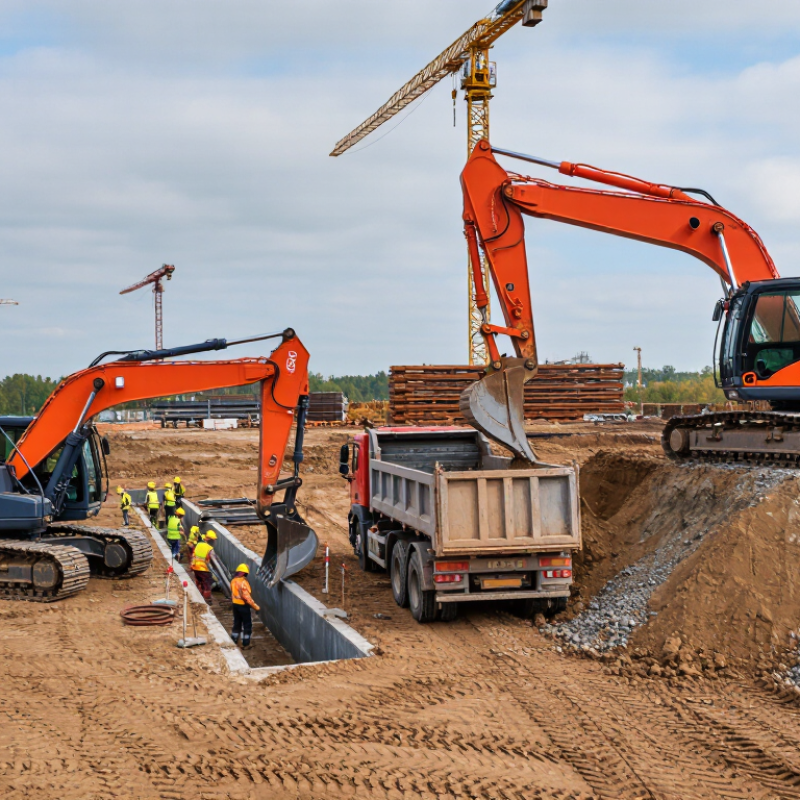
ZX200 and ZX330 Excavators: Core Differences and Model Positioning
How to Choose ZX200 or ZX330 Excavators in 2026?
ZX200 and ZX330 represent different working positions, not merely different sizes. The ZX200 usually fits the 20-ton class, while the ZX330 commonly serves the 30-ton class. Operating weight, bucket capacity, and hydraulic output can vary by configuration. Buyers should verify the specification sheet, not trust the model number alone.
Off-Highway Research’s 2024 construction equipment analysis identifies excavators as a major segment in global equipment demand, supported by infrastructure and urban development. Larger excavators generally deliver higher digging forces and greater daily output. The ZX330 suits quarry loading, deep trenching, and heavy foundation work. Its transport demands and fuel exposure are also higher. According to the U.S. Environmental Protection Agency’s nonroad equipment guidance, engine load and duty cycle strongly influence real-world emissions and fuel consumption.
The ZX200 is easier to move between smaller sites. It can reduce transport planning, ground damage, and operator fatigue. A contractor handling drainage, road maintenance, or medium-scale building work may gain better utilization from this class. The ZX330 becomes logical when production targets justify its extra cost. It may be excessive on narrow urban sites.
Field experience matters. Compare fuel burned per completed cubic meter, not fuel used per hour. Request maintenance records, hydraulic response tests, and cold-start observations. I would still test both machines on the same soil. Catalog figures can look precise, but site conditions rarely cooperate.
How Excavator Size Affects Power, Capacity, and Operating Efficiency
Choosing between a 200-class and 330-class excavator begins with the work, not the brochure. On a drainage project, the smaller machine moved easily along narrow access roads. Its lower operating weight reduced ground damage and transport demands. The larger excavator delivered stronger breakout force when dense clay resisted the bucket. That difference became obvious at trench corners.
Size directly changes power, capacity, and operating efficiency. A 330-class excavator usually carries a larger bucket and reaches deeper, so fewer passes may fill a truck. However, a bigger bucket is not automatically productive. If trucks arrive slowly, material waits, fuel burns, and the operator spends time repositioning. A 200-class unit can be more efficient for utility work, landscaping, and confined foundations. Measure haul distance, soil density, trench depth, and daily truck availability before deciding.
Power also affects control. Heavy machines maintain force under load, but their larger tail swing needs more clearance. The smaller option often feels quicker in tight spaces and costs less to idle. Use rated lift charts, not bucket volume alone, when lifting pipes or placing structures. Fuel figures vary with soil, attachments, operator habits, and maintenance. I have seen estimates fail when hydraulic attachments were ignored. That is the uncomfortable part: the cheaper purchase can become the costliest choice.
Choosing ZX200 for Versatile Construction and Moderate Workloads
The ZX200 suits contractors who move between foundation trenches, drainage lines, and general site preparation. Its mid-range operating size offers useful reach without demanding the transport planning of a larger excavator. On a typical urban project, it can load spoil into trucks, shape slopes, and handle moderate rock with suitable attachments. The machine feels balanced in narrow work areas, though swing clearance still needs daily checking. That detail is easy to overlook. Review fuel use, ground pressure, and attachment weight against the real schedule.
Tips: Measure the narrowest access point before choosing the machine. Check ground conditions after rain, not only during a dry site visit. Ask the operator to test visibility around parked trucks and temporary barriers. Confirm that buckets, breakers, and quick couplers match the hydraulic system. Small mismatches can create long delays.
For mixed construction teams, the ZX200 is practical when daily output matters but peak production is not constant. Field experience shows that some crews choose larger capacity for rare tasks, then lose time through restricted access and higher transport demands. That approach is not always wrong, but it deserves a second look. A larger excavator may finish one deep cut faster, while the ZX200 may keep several moderate tasks moving. Check service access, inspection records, cab comfort, and attachment compatibility before purchase. Do not treat published figures as guaranteed site results. Soil, weather, operator skill, and maintenance habits change performance. The best choice can look less impressive on paper.
Choosing ZX330 for Heavy-Duty Excavation and High Production Demands
How to Choose ZX200 or ZX330 Excavators in 2026?
Choosing a larger excavator makes sense when excavation volume controls project profit. The ZX330 class suits deep foundations, quarry work, bulk earthmoving, and continuous truck loading. Its heavier operating mass improves stability on uneven ground. A wider bucket can also reduce passes in dense soil.
The decision should follow measured production, not appearance. The 2024 Global Construction Perspectives report forecasts global construction output to grow about 2.4% annually through 2029. That growth may increase pressure on fleet productivity. On high-volume sites, compare hourly output, cycle time, fuel use, and attachment weight. Then check whether haul trucks can keep the excavator working. Idle capacity is expensive.
Fuel still matters. The 2024 UNEP Global Status Report states that buildings and construction consumed 32% of global energy in 2022. Excavators are only one part of that total, but avoidable idling remains a practical weakness. Use operator training, scheduled maintenance, and load-matched work cycles. A ZX330 may be excessive for narrow urban trenches or light utility work. I have seen larger machines lose time because access planning came too late. Measure the bench width, transport limits, ground pressure, and daily truck demand before choosing. Performance claims need site evidence.
How to Choose a 20-Ton or 33-Ton Class Excavator in 2026?
Choose the 33-ton class for heavy-duty excavation and high production demands.
The chart uses a comparative index with the 20-ton class set to 100. Representative specifications are based on common 2026-market configurations: approximately 20.5 t operating mass, 122 kW net power, 0.90 m³ bucket capacity and 6.7 m maximum digging depth for the 20-ton class; and approximately 32.8 t, 202 kW, 1.60 m³ and 7.4 m respectively for the 33-ton class. Actual values vary by configuration, attachment and working conditions. The 33-ton class is generally better suited to quarrying, deep excavation, large foundations and high-volume earthmoving, while the 20-ton class offers easier transport and lower operating costs.
ZX200 vs. ZX330: A Step-by-Step Selection Checklist for 2026
Choosing between ZX200 and ZX330 excavators in 2026 starts with the worksite, not the brochure. Walk the site and record trench depth, soil density, access width, haul distance, and lifting needs. A ZX200 usually suits tighter access, moderate digging, and lower transport demands. A ZX330 offers greater operating weight, reach, and bucket capacity for larger cuts or heavier material. Verify current specifications because attachments, counterweights, and regional configurations can change performance.
Use this practical selection checklist.
- Step one: measure the narrowest entrance and confirm tail-swing clearance.
- Step two: estimate hourly production from bucket size, cycle time, and truck availability.
- Step three: compare ground pressure when working near soft soil or finished pavement.
- Step four: check hydraulic flow for breakers, augers, or other tools.
- Step five: price fuel, scheduled service, transport, and operator familiarity over three years.
My first site estimate favored the larger machine, but limited truck space reduced its real output. Numbers need testing.
Tips: Ask an experienced operator to run both machines under similar conditions. Watch swing recovery, visibility, stability, and control smoothness, not just rated power. Request maintenance records and inspect pins, hoses, tracks, and undercarriage wear. Leave a realistic allowance for weather delays and attachment changes. Bigger is not always faster. Smaller is not always cheaper. If production data remains uncertain, rent each size briefly and record actual cycles, fuel use, and idle time.
