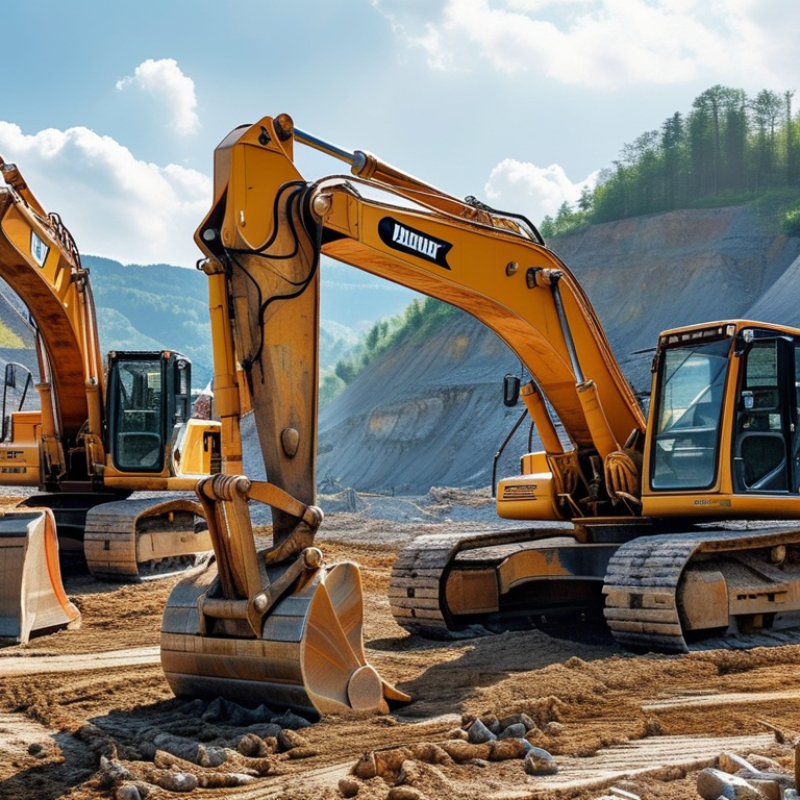
How to Choose PC200-7 PC300-8 in 2026?
Choosing between the PC200-7 and PC300-8 depends on your project, not appearance. The PC200-7 suits confined sites, utility trenches, and moderate earthmoving. Its smaller operating size can simplify transport and reduce ground disturbance. The PC300-8 offers greater digging force and bucket capacity for quarry work, deep excavation, and large foundations. More power is useful. It also increases fuel use and transport demands.
Check the machine against daily production targets. A contractor moving 1,000 cubic meters of soil may value the PC300-8’s faster cycle and larger bucket. A drainage project beside narrow roads may benefit from the PC200-7’s easier positioning. Measure access width, soil density, maximum digging depth, and available hauling capacity. Do not rely only on published specifications. Real output changes with operator skill, attachment condition, and weather.
Inspect the hydraulic response carefully. Slow boom movement, uneven tracking, or oil contamination can signal expensive repairs. Review service records, undercarriage wear, engine smoke, and previous attachment use. I once underestimated transport costs on a larger excavator. That mistake reduced the project margin. A spreadsheet should include fuel, maintenance, delivery, and idle-time costs. It should also test both dry and wet-season conditions. Sometimes, the smaller machine wins. A site visit and a short working trial can reveal more than a sales sheet.