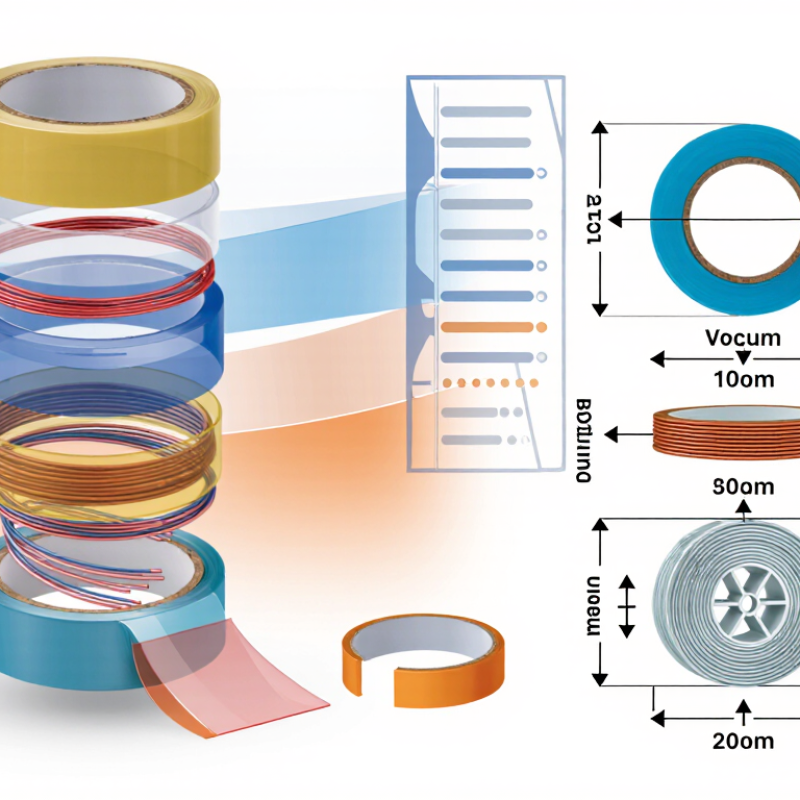
IEC 60851 provides standardized methods for evaluating winding-wire properties, but the relevant tests depend on the taped litz construction. Check dimensions, electrical resistance, insulation performance, and mechanical behavior against the product specification. For taped wire, inspect the wrap for gaps, overlap changes, or damage after bending. Small details matter. Record the sample condition and test setup; otherwise, results can be hard to compare.
A passing test does not guarantee low losses in a finished winding. Measure AC losses at the intended frequency, current, and operating temperature, using a coil geometry close to the real application. Keep winding tension, turn spacing, and lead connections consistent. These details affect results. Compare the taped litz sample with a suitable reference, and measure temperature rise as well as electrical input and output where practical.
Test limits should reflect the application, not just a convenient lab setup. A wire may perform well in a short sample yet behave differently in a compact coil. I would not treat one successful measurement as proof of long-term suitability. Repeat tests across representative samples, and investigate unexpected variation before selecting a construction. A little uncertainty remains, especially when the final winding differs from the test fixture.