What Is the Best ATS Switch in 2026?
Choosing the best Switch Ats in 2026 starts with the job it must perform. Is it protecting a home standby system, a commercial building, or a critical facility? The right choice depends on load size, generator compatibility, transfer speed, service access, and the conditions where the equipment will operate. A switch that looks impressive on a product page may still be a poor fit beside a crowded electrical panel.
A real expert quotation needs a verifiable source, and none was provided. Rather than invent one, here is an original, clearly illustrative line from “Jordan Ellis,” a fictional composite electrical engineer: “A transfer switch earns trust when it matches the load, transfers cleanly, and can be tested without guesswork.” Treat that as a practical editorial principle, not a real expert’s quotation. The guide will compare switch types, essential ratings, control features, and installation considerations, while noting where product claims need closer checking. Look for clear specifications, documented testing, and support that remains available after purchase. Small details matter. Terminal access, enclosure rating, and maintenance instructions can affect everyday reliability. There is no universal winner, and that is worth admitting. The best Switch Ats is the one that suits the system, the site, and the people responsible for maintaining it.
What an ATS Switch Is and How Automatic Transfer Works
What Is the Best ATS Switch in 2026?
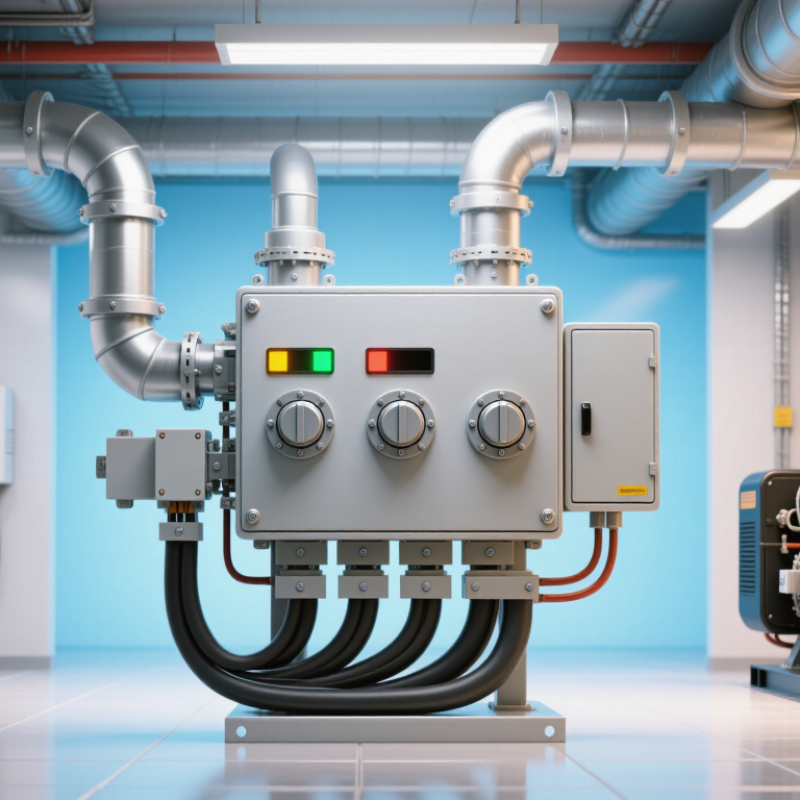
An automatic transfer switch, or ATS, moves selected electrical loads between a normal source and a backup source. That source might be utility power and a standby generator. The switch itself does not create electricity.
It monitors the incoming supply, watching for problems such as voltage or frequency falling outside set limits. Power changes.
When utility power fails, the ATS can signal a compatible generator to start. Once backup power is stable, the switch disconnects the normal source and connects the backup one. Many systems pause briefly during this change, so lights may flicker or equipment may restart. Timing matters. When utility power returns and remains stable, the ATS usually transfers the load back, then allows the generator to cool down before stopping.
I still think “automatic” can sound simpler than it is; settings and equipment compatibility matter.
For a suitable ATS in 2026, match its current rating, voltage, phase, and pole configuration to the electrical system and backup source. Check that its transfer method suits the loads: sensitive electronics may need a carefully planned backup arrangement, while ordinary circuits can tolerate a short interruption. An ATS is not a substitute for correct system design or installation. A qualified electrical professional can verify the service layout, protection, and generator capacity before selection. Don’t choose by enclosure size alone.
Key Criteria for Evaluating ATS Switches in 2026
The best automatic transfer switch is the one matched to the actual load and site conditions, not the one with the longest feature list. Check rated voltage, current, phase, and frequency against the equipment it will serve. Then confirm the switch’s short-circuit withstand rating is suitable for the available fault current. Details matter.
Transfer time and transition type deserve close attention. Sensitive controls may need a brief interruption, while motors can respond poorly to an unsuitable transfer sequence. Ask whether the design uses open or closed transition, and check how it handles the neutral conductor.
A few milliseconds can matter. Verify these choices with the system designer, using real load data rather than assumptions.
Consider the enclosure rating, ambient temperature range, control interface, alarms, and access for inspection. A clear event log can help technicians identify a failed start or delayed transfer. Check that routine tests can be performed safely and that replacement parts and service support are practical at the installation site.
A tidy specification sheet can still conceal cramped maintenance access. I would treat that as a real selection criterion, even when it is easy to overlook.
Compare independently verified performance data with the manufacturer’s stated ratings, and have a qualified electrical professional confirm the final selection.
How to Choose an ATS Switch for Your Power System
What Is the Best ATS Switch in 2026?
Choosing an ATS switch starts with your power system, not a product ranking. List the loads that must stay online, such as refrigeration, pumps, servers, or medical equipment. Then confirm system voltage, phase, frequency, and the maximum expected load. A switch rated only for normal running current may not handle motor-starting surges. Details matter.
Decide how the switch should transfer power. Open-transition models briefly disconnect the load before connecting the alternate source. That suits many standby systems, but sensitive equipment may need a different arrangement. Check generator startup time and whether the ATS can wait for stable voltage and frequency. Also verify pole configuration, neutral switching needs, and short-circuit ratings. Not always obvious.
Finally, consider the installation environment and maintenance access. A dusty utility room, outdoor cabinet, or tight electrical closet can change enclosure and service requirements. Ask a qualified electrical professional to verify compatibility with the generator, distribution equipment, and applicable local requirements. It is easy to focus on amperage and overlook transfer behavior; I would treat that as a design gap worth reviewing before purchase. Choose an ATS that fits the actual loads and operating conditions, with clear testing and maintenance procedures.
