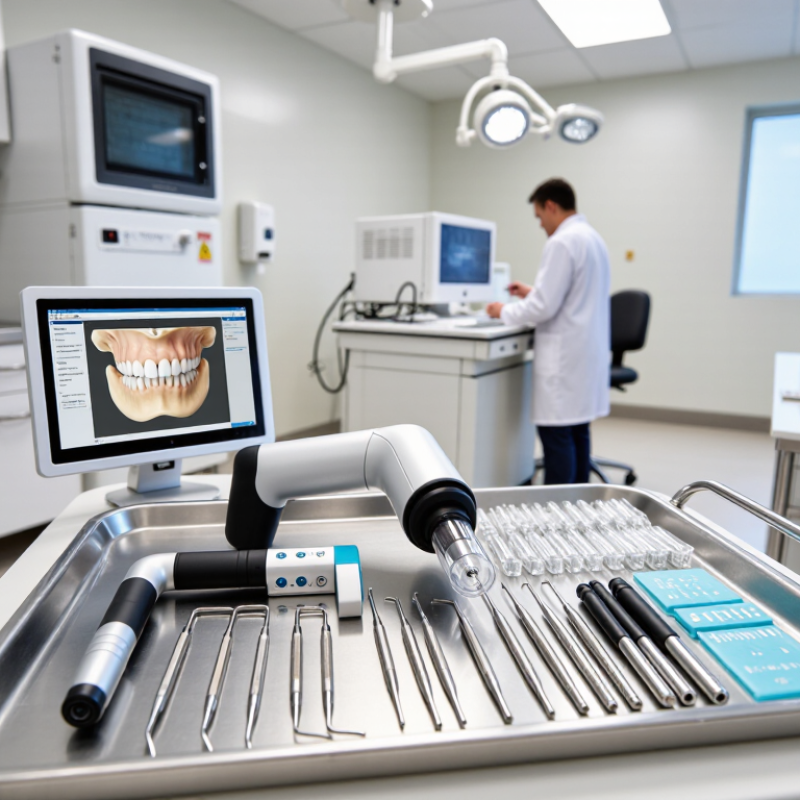
Choosing dental equipment becomes clearer when tools are compared by procedure and clinical function. A mouth mirror and explorer support basic examination, while digital imaging reveals deeper problems. These tools answer different questions, so they should not be judged by price alone. Check image clarity, ergonomic grip, and compatibility with your clinical workflow.
For restorative procedures, a high-speed handpiece removes decay quickly, while a low-speed handpiece supports controlled finishing and polishing. Matrix systems shape proximal restorations, and curing lights activate light-sensitive materials. In endodontic treatment, apex locators help estimate working length, while rotary files clean and shape canals efficiently. They require careful speed control and regular inspection. Small errors matter.
Periodontal care needs scalers, curettes, and periodontal probes with clear markings. Surgical procedures may require elevators, extraction forceps, retractors, and reliable suction. Choose each instrument according to access, tissue sensitivity, and the level of control required. In my clinical observations, familiar tools often outperform complicated systems when staff training is limited. Still, that judgment can be biased. I sometimes underestimate newer equipment because traditional instruments feel safer. Review manufacturer instructions, sterilization requirements, maintenance schedules, and applicable professional standards before purchase. Test balance, visibility, and hand fatigue during realistic procedures. A tool that looks efficient on paper may become awkward beside a reclined patient. Consistent performance matters more than impressive features.