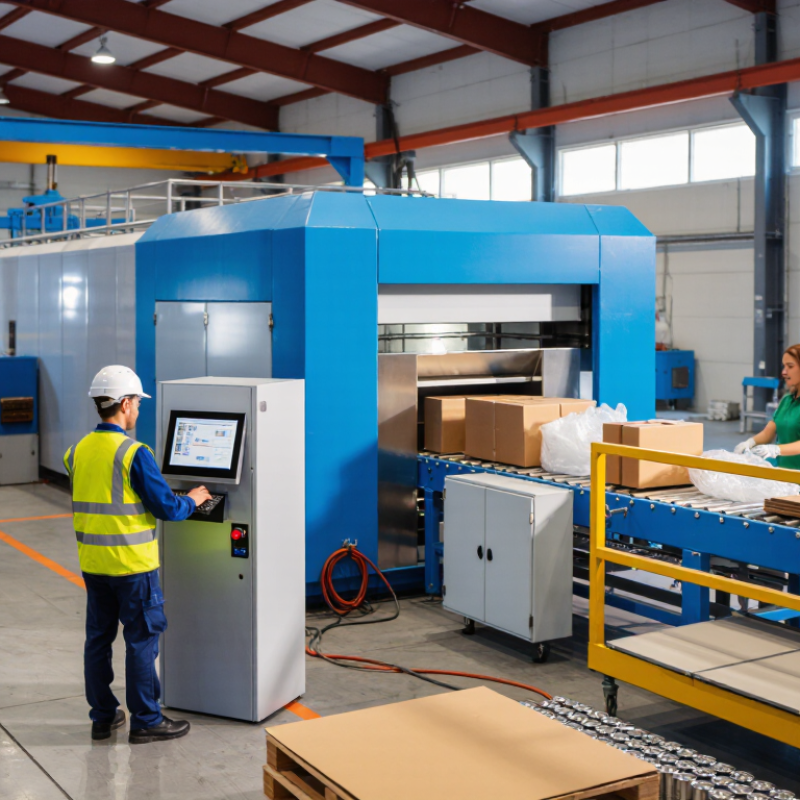
Choosing a recycling machine starts with supplier evidence, not glossy promises. The Global E-waste Monitor 2024 reported 62 million tonnes of electronic waste generated in 2022. Only 22.3% was formally collected and recycled. This gap makes traceability and machine reliability commercially important. Ask suppliers for factory test records, material compatibility data, warranty terms, and references from facilities processing similar loads. A polished brochure can still hide weak maintenance planning.
Compliance must match your location and material stream. Request documentation for applicable machinery, electrical, guarding, and environmental requirements. ISO 9001 and ISO 14001 certifications can indicate controlled quality and environmental systems, but they do not guarantee machine performance. Check emergency stops, noise levels, dust control, lockout procedures, and operator training. Regulations change. Confirm details with qualified local authorities.
Installation deserves a written plan. Require layout drawings, power requirements, foundation loads, commissioning tests, and operator training. Test throughput using your actual feedstock, including moisture, contamination, and irregular pieces. The U.S. EPA’s 2023 report estimated 32.1 million tons of municipal solid waste were recycled in 2018, showing why capacity claims need practical context. Support should include spare-parts availability, response times, remote diagnostics, and technician coverage. I would budget for downtime, too. That assumption may feel pessimistic, but one missed replacement part can stop an entire shift.