How to Choose the Best SUS316L Stainless Steel Coil?
Choosing the best Sus316l Stainless Steel Coil begins with the service environment, not the product label. A coil used for pharmaceutical equipment faces different demands than one used near seawater, food-processing chemicals, or high-temperature piping. Surface brightness matters, but corrosion resistance, thickness tolerance, forming behavior, and weld quality matter more.
John C. Lippold, a recognized welding-metallurgy authority, has emphasized this practical principle: “Material selection should follow service conditions, not appearance alone.” His guidance is especially relevant to SUS316L. The low-carbon composition helps reduce sensitization risks after welding, while molybdenum improves resistance to chloride-related corrosion. These advantages are valuable, but they are not unlimited.
Look closely.
A reliable selection process examines the coil’s mill certificate, heat number, dimensions, surface finish, and mechanical properties. Ask whether the supplier can provide traceability from production to delivery. Check the actual operating temperature, chloride exposure, forming radius, and cleaning chemicals. A coil may look flawless under warehouse lighting, yet develop staining after repeated salt exposure. That possibility is easy to underestimate.
The strongest choice balances technical performance, fabrication needs, availability, and long-term cost. Cheaper material can create expensive rework when flatness, weldability, or surface consistency fails. Even experienced buyers sometimes overfocus on grade and overlook processing conditions. That is a weakness worth correcting.
This guide explains how to compare Sus316l Stainless Steel Coil suppliers, specifications, certifications, and real-world performance. It also highlights common purchasing mistakes, because the first choice is not always the right one.
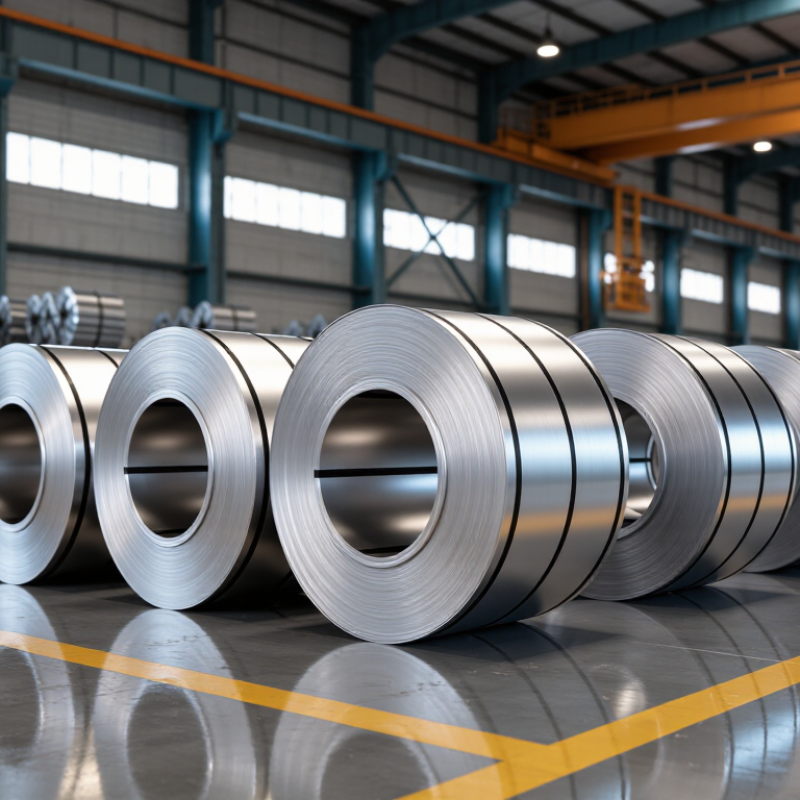
Understanding SUS316L Stainless Steel Coil Properties
How to Choose the Best SUS316L Stainless Steel Coil?
SUS316L properties determine whether a coil suits your service environment. JIS G4304:2021 specifies about 16–18% chromium, 10–14% nickel, and 2–3% molybdenum. Its carbon limit is 0.030% maximum. That low carbon level reduces sensitization after welding. However, it does not make the steel immune to corrosion.
Molybdenum improves resistance to chloride attack, which matters near seawater, salt spray, and chemical processing areas. ASTM A240/A240M reports comparable chemistry and requires mechanical verification, including tensile strength, yield strength, and elongation. Typical annealed SUS316L coil reaches approximately 485 MPa tensile strength, 170 MPa yield strength, and 40% elongation. Check the actual mill certificate. Do not rely on a catalog range alone.
A practical selection should match thickness, surface finish, hardness, and forming requirements. For deep drawing, inspect elongation and bend performance, not only chemical composition. For exposed equipment, confirm pickling and passivation quality. Chloride concentration, temperature, and crevices can still cause pitting. The PREN estimate, using chromium, molybdenum, and nitrogen, usually falls near 24–29 for common SUS316L chemistry. It is useful for comparison, but not a service guarantee. A mistake I have seen is choosing thinner coil to reduce cost, then discovering distortion during fabrication. Test samples under realistic conditions when failure would be expensive.
How to Choose the Best SUS316L Stainless Steel Coil?
Understanding the chemical composition helps evaluate SUS316L stainless steel coil for corrosion resistance, forming, welding, and service conditions.
The chart shows representative composition values in weight percent based on commonly specified SUS316L/AISI 316L composition ranges. Chromium supports corrosion resistance, nickel improves ductility and stability, while molybdenum enhances resistance to chlorides and pitting. The low carbon limit helps reduce sensitization during welding. Always confirm the exact applicable material standard and mill test certificate before purchasing.
Checking Corrosion Resistance, Certifications, and Supplier Reliability
Choosing the best SUS316L stainless steel coil starts with corrosion resistance, not surface shine. In practical fabrication, the coil may face salt spray, cleaning chemicals, moisture, or heat. SUS316L contains molybdenum, which improves resistance to chloride-related corrosion. However, alloy grade alone cannot predict every result. Ask for the chemical composition report and verify carbon, chromium, nickel, and molybdenum levels. Request a recent mill test certificate linked to the coil’s heat number. Small traceability gaps matter.
Certifications should support decisions, not decorate a sales document. Check whether the material certificate states the applicable standard, testing method, thickness, mechanical properties, and inspection date. Independent inspection can confirm dimensions, surface condition, and chemical analysis before shipment. For food, medical, marine, or pressure-related applications, confirm additional requirements with a qualified engineer. I have seen buyers focus on tensile strength while overlooking surface contamination and edge damage. That mistake is expensive. A certificate may be genuine but irrelevant to your exact batch.
Supplier reliability appears in ordinary details. The supplier should answer technical questions clearly, provide stable packing, and explain tolerances without vague promises. Ask for sample coils, production records, reference projects, and a realistic delivery schedule. Check how complaints are handled. Fast replies are helpful, but consistent records are stronger evidence. Do not rely on price alone. An unusually low quote may hide downgraded thickness, mixed heats, or weak packaging. Even experienced buyers can miss these issues, so a written inspection plan is worth the extra time.
Comparing Costs, Applications, and Long-Term Value
Choosing the best SUS316L stainless steel coil requires more than comparing the lowest price. SUS316L contains molybdenum, which improves resistance to chloride exposure, moisture, and many industrial chemicals. This makes it suitable for marine equipment, food-processing surfaces, pharmaceutical systems, and outdoor structures. However, performance depends on thickness, surface finish, coil width, and forming requirements.
A cheaper coil may increase long-term costs if it develops surface staining, requires frequent cleaning, or creates fabrication problems. Review the full purchasing cost, including cutting, transport, welding, inspection, and expected maintenance. Ask for a material certificate and confirm chemical composition, mechanical properties, and applicable standards. In practical projects, consistent flatness can matter as much as corrosion resistance. Poor flatness may slow production and increase scrap. That detail is easy to overlook.
Tips: Match the finish to the application, not appearance alone. Choose a smoother surface where cleaning is critical. Confirm the required thickness after forming, because bending can affect final dimensions. Compare at least three quotations, but question unusually low prices. Request sample testing when the coil will face salt spray, heat, or chemical exposure. I would also calculate service life using local conditions. Laboratory data can look convincing, yet real humidity, cleaning chemicals, and poor drainage may change results. Allowing a reasonable safety margin is often wiser than chasing the lowest initial cost.
