How to Choose the Right Electric Valve for Your Needs?
Choosing the right electric valve can be a daunting task. With various types, sizes, and technologies available, it is crucial to understand your specific needs. Renowned industry expert Dr. Emily Carter states, “Selecting an electric valve is not just about cost; it’s about functionality and reliability.” This expert insight underscores the importance of making informed decisions.
Electric valves play a vital role in controlling fluid flow in diverse applications. They can improve efficiency and safety in systems ranging from water treatment to industrial automation. However, not all electric valves are created equal. Customers often struggle to identify the best option for their purposes. It is essential to consider factors such as the type of fluid, pressure ratings, and compatibility. These details can significantly impact performance and longevity.
Many users overlook the importance of reliable sourcing and manufacturer reputation. It is easy to be swayed by lower prices without assessing quality. A comprehensive approach is needed to evaluate all possibilities. Doing so could prevent costly failures and maintenance issues down the line. The right electric valve can enhance system performance, but the wrong choice can lead to significant setbacks. Therefore, careful consideration is necessary.

Understanding Electric Valves: Types and Applications
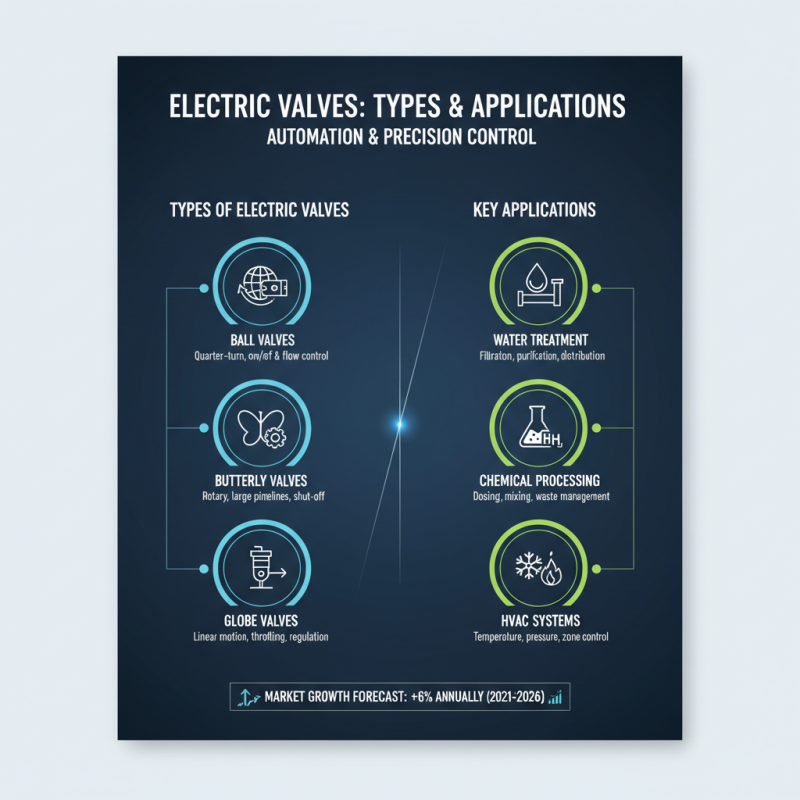
Electric valves play a crucial role in various industries, including water treatment, chemical processing, and HVAC systems. Understanding their types and applications can guide you in selecting the right valve for your needs. According to the Global Electric Valve market report, the industry is expected to grow by over 6% annually from 2021 to 2026. This growth highlights the increasing reliance on automated systems and precision control.
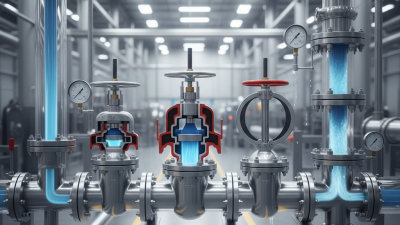
There are several types of electric valves, each serving unique functions. For instance, globe valves offer precision flow control, while ball valves provide quick shut-off capabilities. In contrast, butterfly valves are ideal for large volume applications due to their lightweight design and efficient flow characteristics. Knowing the specific application, such as high-pressure environments, can help avoid ineffective choices.
Tips: When selecting an electric valve, consider the media type, pressure, and temperature requirements. Take note of potential energy consumption when choosing your actuator. Always consult industry standards for safety and compatibility.
Despite the clear advantages, challenges exist. Sizing the valve incorrectly can lead to operational inefficiencies. Moreover, environmental factors, such as humidity and temperature fluctuations, might affect performance over time. Evaluation of both current and future needs is essential for long-term reliability.
Key Factors to Consider When Selecting an Electric Valve
When selecting an electric valve, multiple factors come into play. One key consideration is the valve's application. For instance, different industries use specific materials and configurations. According to a report from MarketsandMarkets, the global electric valve market is projected to reach $5.8 billion by 2026, driven by advancements in automation and control technologies. Understanding the operational environment is crucial for reliability and longevity.
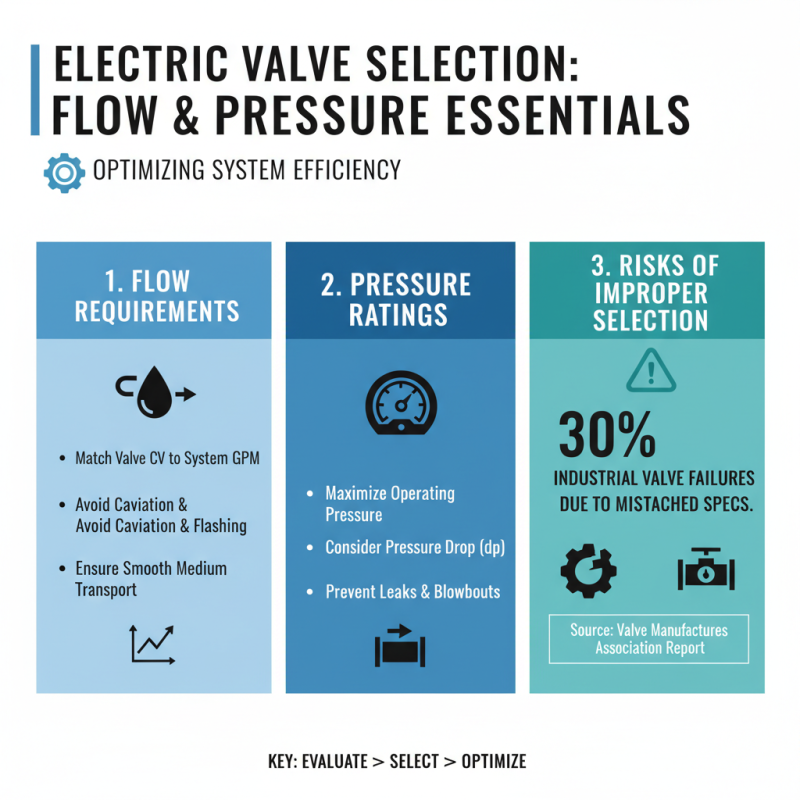
Another important factor is the valve's size and flow characteristics. Electric valves must match the system's requirements. Inaccurate sizing can lead to inefficiencies. Based on insights from the International Society of Automation, more than 30% of flow control issues stem from improper valve selection. Therefore, users should pay attention to flow rates, pressure drops, and compatibility with existing systems.
Lastly, consider the control options available. Some electric valves provide advanced automation features, allowing for remote operation and monitoring. However, the complexity of control systems can introduce challenges. Reports indicate that 20% of failures in valve performance arise from communication issues in automated environments. Reflecting on these elements ensures a more efficient and effective valve selection process, ultimately leading to enhanced performance.
Assessing Control Protocols and Compatibility
When selecting an electric valve, understanding control protocols is crucial. The compatibility of control systems directly impacts the efficiency and functionality of your process. According to a 2022 report by the International Society of Automation, approximately 35% of valve malfunctions stem from compatibility issues. This statistic highlights the importance of matching the electric valve with the appropriate control protocol.
Control protocols vary widely in terms of complexity and application. For instance, protocols like Modbus or Profibus are popular in industrial settings. They offer robust communication for monitoring and control. However, not all electric valves support every protocol. A mismatch can lead to performance issues, potentially causing delays in production. This reinforces the need for thorough research before making a selection.
Consider the specific requirements of your system. Assess the devices you plan to integrate with the valve. Some applications may use basic on/off control, while others may require more advanced features like feedback or diagnostics. This variation can influence the choice of electric valves significantly. It's essential to document all requirements clearly, allowing for a transparent evaluation of potential options. Remember, an informed decision supports not only immediate needs but also future scalability.
How to Choose the Right Electric Valve for Your Needs? - Assessing Control Protocols and Compatibility
| Valve Type |
Control Protocol |
Compatibility |
Application |
Operating Voltage |
| Ball Valve |
Modbus RTU |
RS-485 |
Water Treatment |
24V DC |
| Gate Valve |
BACnet |
Ethernet |
HVAC Systems |
120V AC |
| Globe Valve |
CANopen |
CAN Bus |
Industrial Automation |
220V AC |
| Solenoid Valve |
Profibus |
Wireless |
Irrigation Systems |
12V DC |
| Butterfly Valve |
EtherCAT |
Industrial Protocol |
Chemical Processing |
48V DC |
Maintenance and Lifespan Considerations for Electric Valves
Electric valves play a crucial role in modern industrial applications. However, maintenance and lifespan are key considerations that can impact their performance. Research shows that proper maintenance can extend the lifespan of electric valves by up to 30%. Frequent inspections and routine servicing can help identify potential issues before they escalate. Neglecting maintenance can lead to premature failures.
Lubrication and cleaning are essential. Accumulated dirt can hinder the mechanism, risking malfunction. Regularly replacing seals and gaskets minimizes leak risks. Industry standards recommend servicing electric valves every 6 to 12 months, depending on usage. This ensures optimal functionality and longevity.
Moreover, the environment in which electric valves operate matters significantly. Exposure to extreme temperatures and corrosive substances can shorten their life. Understanding the specific conditions will guide the selection of materials. Not all valves are built for harsh environments. Over time, considering these factors will save costs associated with replacements and unplanned downtime.