How to Choose the Right Pneumatic Diaphragm Valve for Your Needs?
Selecting the right pneumatic diaphragm valve can be a challenging task for many engineers and professionals. These valves are essential in controlling the flow of fluids in various applications. Their design and functionality are critical for ensuring system efficiency and safety.
When choosing a pneumatic diaphragm valve, several factors come into play. The size, material, and pressure rating are crucial considerations. Each application may require specific features that enhance performance and durability. For example, valves made from resistant materials are vital in corrosive environments.
Additionally, understanding the operating conditions will inform your choice. Sometimes, available options may not meet all requirements. A focus on supplier reliability can also inspire confidence in your selection. Ultimately, the right pneumatic diaphragm valve can lead to improved system performance and reduced downtime. Balancing technical specifications with real-world usage is essential for making an informed decision.
Understanding Pneumatic Diaphragm Valves and Their Functions
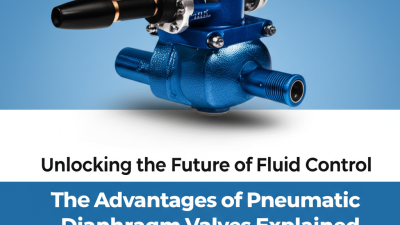
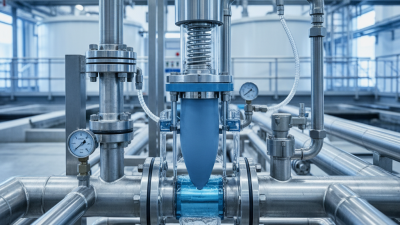
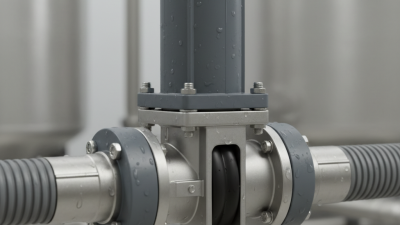
Pneumatic diaphragm valves are vital in controlling fluid flow in various applications. They feature a flexible diaphragm that seals the valve body. This design allows for precise control over flow rates. These valves are often used in industries like water treatment, food processing, and pharmaceuticals.
Understanding the function of a pneumatic diaphragm valve is crucial. They operate using compressed air to move the diaphragm. This action opens or closes the valve. The benefits include reduced leakage and ease of maintenance. However, one must consider potential challenges. Installation might require specific configurations. Adjustments may be necessary for optimal performance.
Choosing the right valve demands careful assessment. One must evaluate the pressure conditions and the type of fluid. Consider factors like temperature and compatibility. It is essential to consult with industry experts during this process. This ensures that you select a valve that meets specific operational needs. Even small oversights can lead to inefficiencies. Reflecting on previous experiences can enhance future decisions.
How to Choose the Right Pneumatic Diaphragm Valve for Your Needs?
This chart illustrates the key performance characteristics one should consider when selecting a pneumatic diaphragm valve. The factors include flow rate, pressure drop, temperature range, and material compatibility, which are crucial in ensuring the valve meets specific operational needs.
Key Factors to Consider When Selecting a Pneumatic Diaphragm Valve
When selecting a pneumatic diaphragm valve, understanding key factors is crucial. The valve's application is paramount. Different industries have varying requirements.
For example, the food and beverage sector demands strict hygiene standards, while chemical processing requires excellent resistance to corrosive materials.
According to a report from the Flow Control Industry, the global market for diaphragm valves is expected to grow by 5.8% annually, reflecting the increasing demand across various sectors.
Another factor to consider is the valve size and pressure rating. The right size ensures optimal flow rates while avoiding energy loss. Pressure ratings must match the system’s specifications to ensure safety and efficiency. A mismatch could lead to premature failure, ultimately risking system integrity. Additionally, selecting the appropriate diaphragm material is vital. Common options include rubber and PTFE, each with strengths and weaknesses. Certain materials might perform excellently in one environment but fail in another, highlighting the need for careful evaluation.
Lastly, assess the control method. Depending on the application, pneumatic control may be preferable for rapid actuation. However, in scenarios needing fine control, other mechanisms might provide better performance. This decision can impact operation efficiency significantly. Analyzing these factors leads to better choices, minimizing costly errors down the line.
Application-Specific Requirements for Pneumatic Diaphragm Valves
When selecting a pneumatic diaphragm valve, application-specific requirements take center stage. Understanding the media you will control is crucial. Different fluids may require different materials. For example, corrosive fluids can damage rubber diaphragms. Using the correct material enhances longevity and performance.
Consider the pressure and temperature ranges as well. Each valve type can handle specific limits. Exceeding these can lead to premature failure. Sometimes, a valve may operate well initially, but under extreme conditions, it could fail. Choosing a valve that meets the unique demands of your application ensures reliability.
Installation space and orientation are also significant. Some designs fit cramped spaces better than others. This aspect might seem minor, but improper fitting impacts function. Moreover, a well-suited valve improves workflow efficiency in a system. Balancing all these factors requires careful consideration to avoid costly mistakes later on.
Materials and Construction: Ensuring Compatibility and Durability
When selecting a pneumatic diaphragm valve, material and construction are crucial for performance. Valves often face harsh conditions. Choosing compatible materials can prevent failures and reduce maintenance costs. According to industry studies, valves made of stainless steel or PVC often report longer lifespans. For instance, a report by the Pneumatic Valve Association notes that correct material selection increases durability by up to 30%.
Different applications require different materials. For corrosive media, materials like PTFE or PVDF may be necessary. It’s essential to analyze the chemicals involved. If the valve doesn’t match the fluid properties, it may degrade prematurely. ASTM standards provide guidelines on compatibility, but many users often overlook these details. Failures due to improper material selection can lead to costly downtime.
Construction quality also impacts performance. A well-designed diaphragm can resist excessive wear. Manufacturers should provide data on fatigue resistance and cycle life. Shock loading can stress the diaphragm, leading to early failure. A lack of reliable information on construction can create risks. Reflections on past experiences reveal that some projects could have benefited from better material testing and validation.
Maintenance and Service Considerations for Diaphragm Valves
Maintenance of diaphragm valves is crucial for optimal performance. These valves often operate under high pressure and can wear out over time. Regular inspection can prevent valve failure. Studies indicate that 70% of diaphragm valve issues stem from lack of maintenance. Simple checks can identify leaks or wear before they escalate.
Service considerations involve both cleaning and part replacement. Many valves require disassembly for thorough maintenance. It's important to ensure that diaphragm materials are compatible with the media flowing through them. Over 60% of valve failures are linked to incorrect material selection. Furthermore, failing to adhere to service schedules can lead to costly downtime.
Training staff on maintenance protocols can mitigate risks. Operators must be educated about the signs of wear and how to perform routine checks. Additionally, documentation of maintenance activities can enhance operational reliability. Only 40% of companies keep accurate maintenance records, showing room for improvement. Establishing a systematic approach ensures diaphragm valves remain functional and efficient.
How to Choose the Right Pneumatic Diaphragm Valve for Your Needs? - Maintenance and Service Considerations for Diaphragm Valves
| Criteria |
Considerations |
Maintenance Tips |
| Material Compatibility |
Ensure valve materials are compatible with the fluid being used. |
Regularly check for wear and corrosion. |
| Pressure Rating |
Select a valve with an appropriate pressure rating for your application. |
Monitor pressure during operation and inspect for leaks. |
| Temperature Range |
Check the valve’s performance at the required temperature range. |
Ensure seals are intact to handle temperature fluctuations. |
| Actuation Type |
Choose between manual or pneumatic actuation based on your setup. |
Test actuation regularly to avoid failures. |
| Flow Capacity |
Ensure the valve can handle the required flow rates for your process. |
Periodically clean the valve to maintain optimal flow. |
| Size Specifications |
Select a size that fits your piping dimensions. |
Check for proper installation to avoid leaks. |