Top Tips for Choosing the Right Solar Panel Roof Mount?
When selecting a solar panel roof mount, numerous factors come into play. The right mount ensures your solar panels are secure and efficient. According to the International Renewable Energy Agency (IRENA), solar energy power capacity has grown exponentially, with global installations reaching over 1,000 gigawatts in recent years. This growth emphasizes the importance of choosing suitable mounts that can withstand varied weather conditions.
The market offers diverse options for solar panel roof mounts, each varying in durability and adaptability. A recent study by the U.S. Department of Energy indicates that improper mounting can lead to a 30% drop in solar panel efficiency. Stability and design are crucial to prevent costly repairs down the line. Selecting the ideal mount requires considering roof types, local climate, and intended solar panel orientation.
Many consumers overlook these aspects, focusing solely on cost. However, investing in a higher-quality solar panel roof mount can enhance energy output and longevity. Ignoring specifications may seem convenient but can lead to regret as issues arise. Assessing professional recommendations and industry reviews is essential for informed decisions.
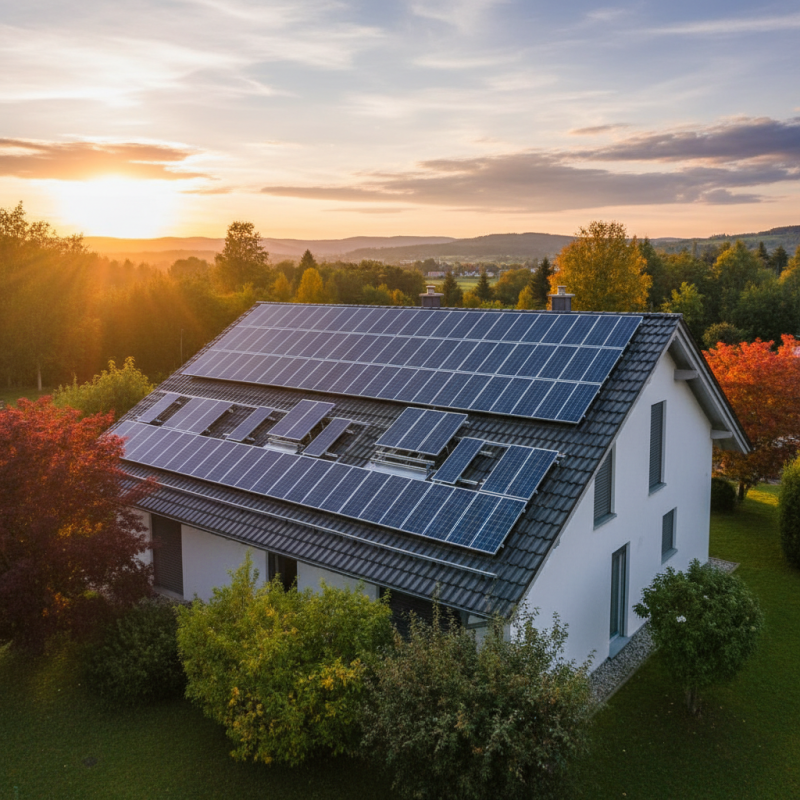
Understanding the Different Types of Solar Panel Roof Mounts
When selecting a solar panel roof mount, understanding the various types available is crucial. The three primary types are fixed, adjustable, and tracking mounts. Fixed mounts are the simplest. They hold panels at a set angle, usually optimized for the winter sun. They require less maintenance but can miss optimal energy production during other seasons.
Adjustable mounts offer flexibility. These allow homeowners to change the angle of the solar panels with the seasons. Studies indicate that adjusting the solar panel angle can increase energy production by up to 25%. This option may require more effort and is often less cost-effective than fixed mounts.
Tracking mounts are the most complex. They follow the sun's path throughout the day. While they can maximize energy capture, they are more expensive and require more maintenance. According to the National Renewable Energy Laboratory (NREL), tracking systems can boost energy production by up to 50%. However, they also come with higher risks of mechanical failure. Homeowners should weigh these options carefully based on their specific needs and local solar conditions.
Assessing Your Roof Type for Solar Panel Compatibility
When considering solar panel installation, assessing your roof type is crucial. Different roof types affect how efficiently solar panels operate. For instance, a flat roof may require a specific mounting system to optimize sun exposure. You need to evaluate the angle and orientation of your roof. Ideally, solar panels face south in the Northern Hemisphere. This ensures maximum sunlight throughout the day.
Material matters too. Asphalt shingles, for example, are more compatible with standard solar mounts than tile roofs. Tile roofs may need special mounting brackets, which could increase installation costs. Additionally, consider the condition of your roof. If your roof is old or damaged, it may not support solar panels effectively.
There are also unique factors to consider, such as local weather. Heavy winds or snow loads can influence the type of mounts you need. Understanding these elements can help you make informed choices. However, it’s important to consult a professional to ensure you select the right mounting system for your specific situation. This will enhance the solar installation's efficiency and longevity.
Evaluating Solar Panel Orientation and Tilt for Efficiency
When evaluating solar panel orientation, consider your geographical location. South-facing roofs generally capture more sunlight. If your home is in the northern hemisphere, this direction is ideal. Tilt also plays a significant role in maximizing efficiency. A tilt angle of around 30 degrees often yields the best results. However, this angle may not be suitable for all roofs or locations.
Local weather patterns can impact your decisions. For instance, areas with heavy snowfall may benefit from steeper tilts. This will prevent snow accumulation on panels. An inclination that works in summer might not be suitable for winter. Seasonal changes could affect panel performance, so keep this in mind when planning.
Keep in mind that not every installation will be perfect. A roof's structure and surrounding trees may limit your options. It’s also important to review local zoning regulations. Each location has its rules, which may restrict certain orientations or heights. Analyze these factors carefully to make an informed decision.
Solar Panel Efficiency Based on Orientation and Tilt
Analyzing Local Climate Impacts on Solar Mount Selection
When selecting solar panel roof mounts, local climate should be a top priority. Weather conditions directly impact the performance and durability of solar installations. For example, areas prone to heavy snowfall require mounts that can withstand the weight without compromising the panels. High winds can cause instability, making robust mounting systems essential.
Consider your environment. If you live in a region with frequent storms, opt for mounts that provide added strength. Similarly, coastal areas with salty air may need materials resistant to corrosion. Always prioritize mounts that have been tested for local climate conditions.
Here are some tips to help guide your choice. Research local weather patterns and their average impact on solar systems. Consult professionals who understand your specific climate challenges. Don’t underestimate the importance of proper installation; even the best mounts can fail if not installed correctly. A thoughtful approach ensures reliability and enhances your solar investment.
Considering Budget and Installation Costs for Solar Roof Mounts
When considering solar roof mounts, budget is key. The cost to install solar panels varies greatly. Factors influencing the price include the type of mount, installation location, and roof condition. Cheap mounts may save money upfront, but could lead to issues later. Poor quality can increase repair costs over time.
Installation costs should also be factored into the overall budget. Hiring experienced professionals may come with a higher price tag. They ensure the mount is securely attached and properly aligned. A mishap during installation can result in leaks or future damage. Therefore, choosing savings over expertise might not be wise.
It’s wise to explore financing options or incentives. Some regions offer rebates or tax credits for solar installations. Research local programs to see what may apply. However, always read the fine print. Benefits may come with conditions. Consulting with solar experts can offer clarity, leading to informed decisions tailored to your needs.