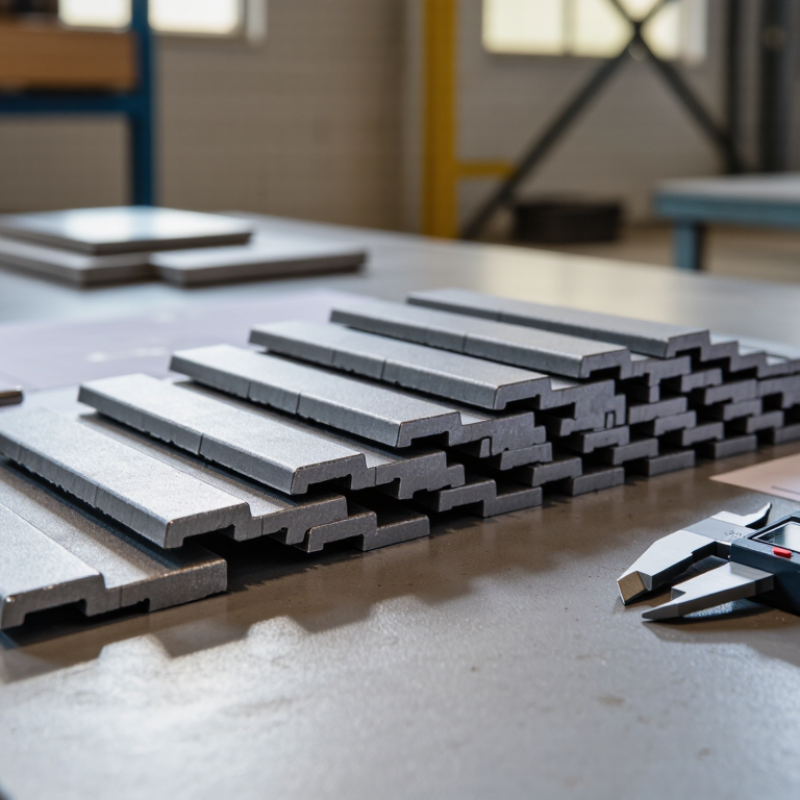
| What tungsten tiles are | Industrial “tungsten tiles” are typically tiles or segments made from cemented tungsten carbide: hard tungsten-carbide particles held together by a metallic binder, commonly cobalt. | Confirm the material specification and binder composition. “Tungsten tile” can describe different shapes and grades, so the name alone does not define performance. |
| Typical material properties | Cemented tungsten carbide is valued for high hardness, wear resistance, and compressive strength. It is also dense and comparatively brittle, particularly when exposed to impact or bending loads. | Balance abrasion resistance against impact risk. A harder grade is not automatically the best choice if the installation will experience severe shock or uneven support. |
| Mining and mineral processing | Tiles can protect selected wear surfaces in equipment that handles abrasive rock, ore, or slurry, such as chutes, hoppers, and parts of material-transfer systems. | Assess particle size, impact energy, material flow, and the location of the highest wear. Use a layout and attachment method suited to the equipment and operating conditions. |
| Cement and bulk-material handling | Wear-resistant tiles may be used on exposed surfaces where abrasive powders or granular materials move through production and conveying equipment. | Check operating temperature, dust conditions, available installation space, and whether tiles can be inspected or replaced during planned maintenance. |
| Industrial wear liners | Tile and segment formats can be arranged to cover areas of equipment subject to sliding abrasion, including selected liners and transfer points. | Choose tile dimensions and thickness according to the wear pattern, substrate, and required service life. Avoid unsupported edges and gaps where material can become trapped. |
| Tile shape and size | Tiles may be supplied in flat, square, rectangular, or shaped segments, depending on the application and installation design. | Measure the surface and account for curves, joints, clearances, and replacement access. Smaller pieces can suit complex contours, while larger pieces may reduce the number of joints. |
| Grade selection | Carbide grades differ in hardness, toughness, grain structure, and binder content. These differences affect how a material responds to abrasion and impact. | Provide the supplier or technical team with details of the material being handled, impact conditions, temperature, and observed wear. Select a grade based on the full duty cycle. |
| Attachment and installation | Depending on tile design and equipment, attachment may involve brazing, bonding, mechanical retention, or installation in a carrier or backing system. | Verify that the attachment system is compatible with the substrate, service temperature, vibration, and maintenance plan. Follow qualified installation procedures. |
| Limitations and handling | Cemented carbide can chip or crack under sharp impact, bending, poor support, or mishandling. Its high density also affects component weight. | Protect tiles during transport and installation. Check support, alignment, edge protection, and total assembly weight before putting the equipment into service. |
| Information to gather before ordering | Useful details include equipment drawings, tile dimensions, substrate material, operating temperature, handled material, abrasion and impact conditions, and maintenance requirements. | Share representative wear data or photographs where possible. Confirm tolerances, grade, attachment method, and inspection requirements before approving the final design. |