How to Choose the Right Wire for Thermal Spray Applications?
In the realm of thermal spray technology, selecting the correct Wire for Thermal Spray applications is crucial. The global thermal spray market is projected to reach $12.5 billion by 2027, driven by increased demand across industries such as aerospace and automotive. Choosing the right wire for thermal spray ensures optimal coating performance and longevity. Various materials, including metal wires and ceramic powders, offer different benefits and drawbacks.
Wire for thermal spray requires careful consideration of several factors. The composition of the wire directly influences the resulting coating's properties. For example, aluminum and nickel-based wires can enhance corrosion resistance, while carbide wires offer exceptional hardness. Furthermore, the wire diameter impacts the deposition rate and quality of the coating. A mismatch in selection can lead to ineffective coatings, resulting in costly rework and downtime.
Industry experts emphasize the importance of quality and reliability in wire sourcing. Reports indicate that nearly 15% of thermal spray failures stem from inadequate wire properties. Ensuring that the wire meets specific standards is essential for achieving desired outcomes. As thermal spray applications expand, the right wire selection will distinguish successful projects from those that fall short.
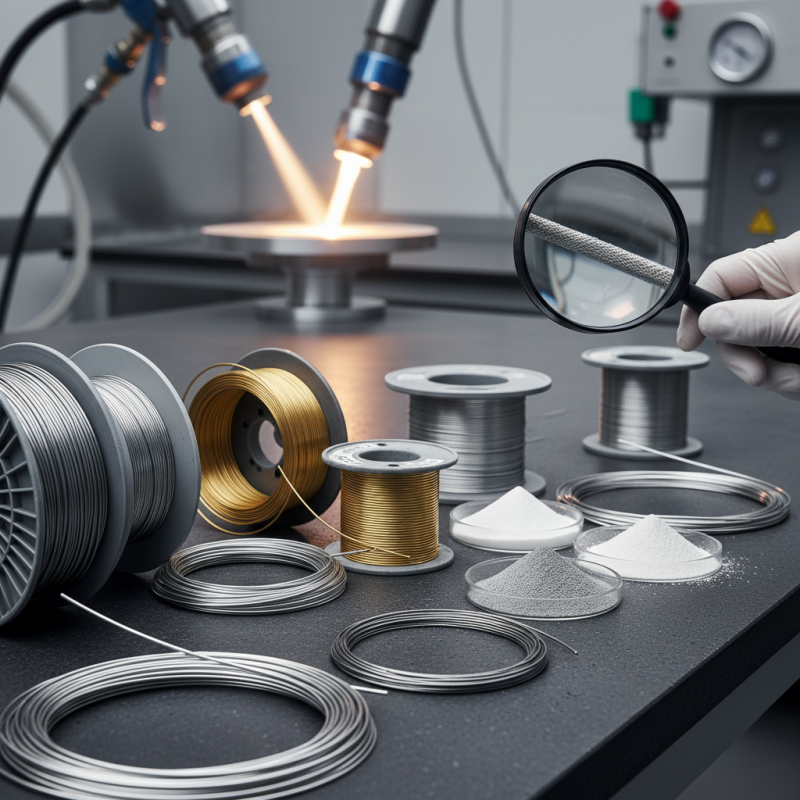
Understanding Thermal Spray Applications and Their Requirements
Thermal spray applications have unique requirements. Understanding these is key to selecting the right wire. The wire must match the intended coating and substrate material. Different applications need different properties. For example, some applications prioritize hardness, while others focus on corrosion resistance. These factors can impact performance, durability, and longevity.
The wire must maintain consistent feed capability. Inconsistent feeds can lead to defects in the coating. Pay attention to the diameter and composition of the wire. A small change in these parameters can alter the coating outcome. Some applications may benefit from a wire with additives for improved adhesion. Others may need high-purity materials for critical environments.
Consider the environment where the coated substrate will operate. This affects the choice of wire significantly. Harsh conditions demand exceptional resistance to wear and heat. Testing and feedback can help refine wire selection. Be open to revisiting choices after evaluating initial results. Continuous learning is essential in thermal spray processes.
Types of Wires Used in Thermal Spray: An Overview
When considering thermal spray applications, selecting the right wire type is crucial. Various materials serve distinct functions, which can significantly affect the coating quality. Common wire types include metal, ceramic, and polymer-based options. Metal wires often provide excellent durability and wear resistance. Ceramic wires deliver superior thermal insulation but may lack some mechanical strength.
Understanding the specific requirements of your application is vital. Factors like adhesion, thermal conductivity, and corrosion resistance influence your choice of wire. For instance, if your project demands high strength, a metal wire may be more suitable. On the other hand, for applications needing heat resistance, ceramic wire might be ideal.
Different wires come with unique characteristics and challenges. Some materials may not bond well with certain substrates. Testing these wires under various conditions can provide valuable insights. It’s essential to assess how each wire interacts with your specific substrate and environment before making a final decision.
Key Factors to Consider When Selecting Thermal Spray Wire
When selecting wire for thermal spray applications, several critical factors come into play. One key consideration is the material composition. Different alloys offer unique properties that affect performance. For example, nickel-based alloys are known for excellent corrosion resistance, while cobalt alloys provide superior wear resistance. According to industry data from the Thermal Spray Society, nearly 70% of users reported improved surface properties when using tailored wire compositions.
Another factor is the wire diameter. It is essential to align the diameter with the thermal spray method used. A common diameter for wire is usually in the range of 1.6 mm to 3.2 mm. Choosing a wire too thin can lead to inconsistent feed rates, while a wire too thick may not melt properly. Some users find adjusting to a specific diameter challenging. Research indicates that 30% of operators notice inconsistent coatings when the wire diameter is not optimized for their equipment.
Quality control in wire manufacturing is also crucial. Reliable wire must have consistent mechanical properties and purity levels. Statistics reveal that over 25% of coating failures are linked to wire quality issues. Users should verify the wire supplier's certifications and past performance records. Understanding these factors can prevent costly mistakes in production and improve overall efficiency.
Thermal Spray Wire Selection Factors
Material Compatibility: Matching Wire to Substrate Requirements
Choosing the right wire for thermal spray applications is critical. Material compatibility must be a top consideration. The wire must match the substrate requirements to ensure optimal bonding and performance. Different substrates have varied surface properties, affecting adhesion. For instance, steel and titanium may require different wire compositions.
Understanding the specific characteristics of the substrate is essential. A mismatch can lead to poor coating adhesion or premature failure. Some wires may oxidize more quickly, impacting durability. Others might not withstand extreme temperatures. Therefore, evaluate the environment in which the substrate will operate. This helps in selecting the appropriate wire.
Another aspect is the wire's composition. Alloy types, purity levels, and specific additives can influence performance. The chosen wire should ideally complement the substrate's chemistry. Testing wire on small sections may reveal compatibility issues. Even with the best intentions, trials can yield unexpected results. Keep an open mind and adjust selections based on feedback from initial applications. This iterative approach can enhance the overall effectiveness of thermal spray processes.
Performance Metrics: Assessing Wire Quality for Optimal Results
When assessing wire quality for thermal spray applications, several performance metrics are critical. One important factor is the wire's microstructure. A finer microstructure often leads to better bonding. Studies indicate that wires with a grain size of less than 10 micrometers can enhance adhesion by up to 30%. This finer structure improves the overall coating performance, making it essential for successful applications.
Another key performance metric is the wire diameter. The optimal wire diameter can influence the spray efficiency and deposition rates. Research demonstrates that a 1.6 mm diameter wire provides a balance between material utilization and processing speed. However, this is not a one-size-fits-all solution. Specific applications may favor different diameters. Understanding the material being sprayed and the desired thickness is crucial.
Lastly, the composition of the wire directly affects its melting point and fluidity. High-quality wires generally have a consistent alloy composition. Variability can lead to issues such as poor coating quality or inconsistent thermal properties. Maintaining strict quality control during production is paramount for achieving the optimal results desired in thermal spraying.