Why Has the Traditional Approach to Improving Wet Slip Resistance in Footwear Materials Been So Challenging?
Slip resistance, especially in wet conditions, is a critical measure of functionality and safety in footwear materials. The industry has long explored various methods, yet each faces significant limitations:
Reliance on High-Friction Coefficient Rubber: The most traditional method involves incorporating materials like natural rubber or high-styrene rubber with high friction coefficients into outsoles. While these materials perform adequately on dry surfaces, their grip deteriorates significantly when wet. More importantly, increasing rubber content to enhance slip resistance often results in stiff, heavy soles with surfaces prone to stickiness and dust attraction, compromising both tactile feel and appearance.
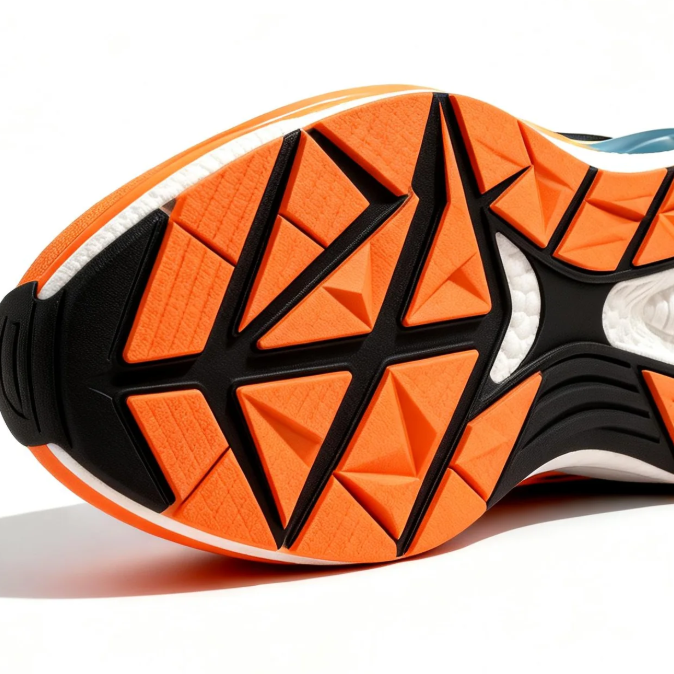
Complex Surface Tread Design: Intricate outsole patterns are engineered to channel water away and increase surface contact area. This is an effective supplementary strategy, but its performance is highly dependent on the cleanliness and wear level of the tread. Once clogged with debris or worn down, its effectiveness diminishes substantially, failing to provide a fundamental material-based guarantee.
Chemical Modification and Additives: Attempts are made to add various anti-slip agents or apply surface coatings to base materials like TPU or TPE. These methods frequently encounter compatibility issues, leading to additive migration, leaching, and an oily surface film, causing rapid performance degradation over time. Additionally, demanding processing requirements often limit their broad application.
The common limitation of these traditional approaches is that they primarily address the issue at a "surface" or "physical blending" level. They fail to deliver durable, stable, and tactile-friendly slip resistance from the fundamental molecular structure and phase morphology of the material itself. Consequently, the market urgently needs an innovative solution that starts from the material's internal architecture, comprehensively resolving the intertwined challenges of wet slipperiness, surface tackiness, and long-term durability.