What is a High Precision Tape Casting Machine and How Does It Work?
The "High-Precision Tape Casting Machine" plays a crucial role in various industries, including electronics and energy. According to a report by Research and Markets, the global market for tape casting technology is projected to reach $1.2 billion by 2025, indicating robust growth. Industry expert Dr. Emily Zhang states, "The accuracy of tape casting significantly enhances material properties." This highlights the importance of precision in production processes.
High-precision machines reduce waste and improve yield. They achieve this by controlling the tape thickness to within micrometers. However, not all manufacturers prioritize these advancements. A gap remains in understanding the full benefits of high-precision technology. Some companies still use outdated methods, risking efficiency.
Innovation is the key to progress. As industries demand greater reliability, high-precision tape casting machines are essential. It is vital for businesses to invest in these technologies to stay competitive. Nonetheless, challenges such as high initial costs may deter some. An emphasis on education and awareness could bridge this gap and drive further adoption.
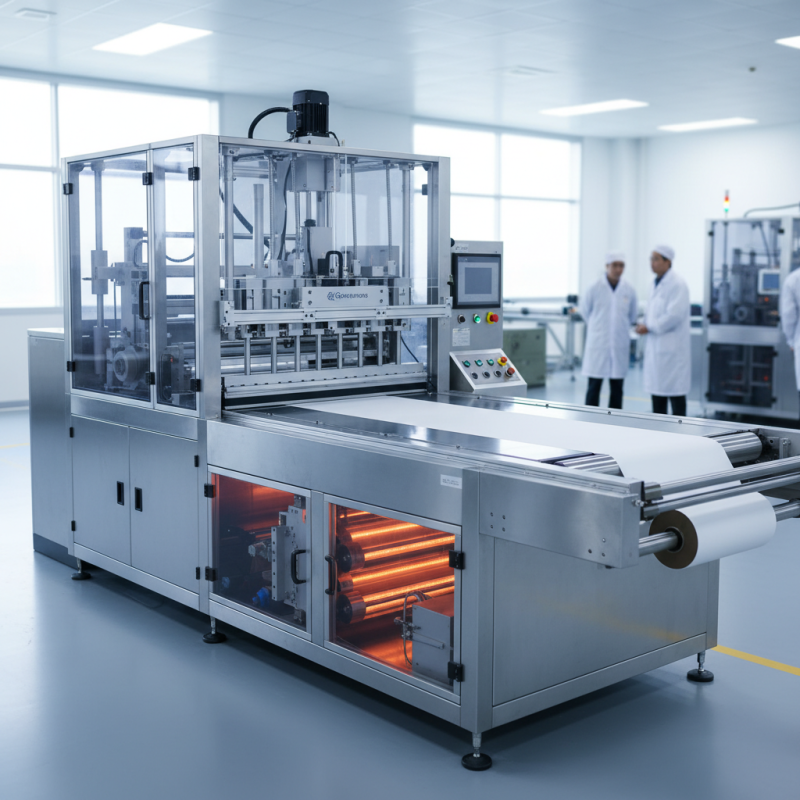
Overview of High Precision Tape Casting Machine Technology
The high precision tape casting machine is a pivotal technology in material processing. This machine creates thin, uniform films of materials, which can be used in various applications. It employs a casting process that involves spreading a slurry onto a substrate and allowing it to dry. This method provides a higher precision and quality compared to traditional techniques.
In terms of operation, the machine typically features a metering blade that controls the thickness of the tape. The slurry, composed of powders and solvents, is carefully mixed. The temperature, pressure, and speed of casting are crucial for achieving the desired outcome. Variations in any of these parameters can lead to inconsistencies in the final product. Sometimes, operators may face challenges in maintaining these conditions, indicating a need for regular calibration and testing.
The design of high precision tape casting machines emphasizes reliability and efficiency. However, not all machines reach their optimal performance. Common issues include unevenly dried tapes or slurries that do not adhere well. Continuous improvements in technology strive to address these shortcomings, but there is always room for enhancement. Understanding these limitations is essential for optimizing production processes and ensuring high-quality outputs.
Key Components of a High Precision Tape Casting Machine
High precision tape casting machines are essential in manufacturing thin films and coated materials. These machines consist of several key components that work together to ensure optimal performance. The coating head is crucial; it regulates the thickness of the slurry applied to the substrate. According to a market analysis by Research and Markets, the global tape casting market is expected to grow by 7% annually, highlighting the importance of advanced machinery in this field.
The drying system plays a pivotal role as well. Efficient drying prevents defects in the tape that can result from uneven moisture levels. Infrared or hot air drying methods are common. Some recent studies indicate that proper drying can enhance the mechanical properties of the final product by up to 20%. Additionally, the substrate transport system must maintain alignment and speed consistency to avoid defects.
Each part of a high precision tape casting machine contributes to the overall quality of the tape produced. However, maintaining these components can be challenging. Regular inspections are necessary to identify wear and tear. The complexity of these systems can lead to occasional production lapses. Engineers must focus on continuous improvement and adaptability to new materials. This way, they can meet the industry’s rising demands while ensuring product reliability.
Principle of Operation: How Tape Casting Works
Tape casting is a critical process used in the production of high-precision components, particularly in the ceramics and electronics industries. The technique involves pouring a slurry onto a flat surface, then spreading it evenly to form a thin layer. Data indicates that tape casting can achieve thicknesses as low as 20 microns. This precision is vital for applications that require uniformity and accuracy in material properties.
The tape casting process relies on a few fundamental principles. A well-mixed slurry is crucial for optimal casting. The viscosity must be controlled to ensure a smooth flow. Parameters such as temperature and humidity can significantly affect the outcome. According to recent industry reports, fluctuations in these environmental conditions can lead to defects in a staggering 15-20% of cast films. Ensuring consistency in the slurry's formulation and environmental control is essential for reducing such issues.
Post-casting, the tape undergoes drying before it is processed further. Optimizing the drying process can enhance the mechanical properties of the tape. However, achieving the right balance can be challenging. A drying temperature that is too high can lead to cracking, while low temperatures prolong processing time. Ongoing research is focused on identifying techniques to enhance both speed and quality, revealing a continuous need for innovation in tape casting technology.
Applications of High Precision Tape Casting in Industry
High precision tape casting technology plays a crucial role in various industries. This method is particularly beneficial in the production of advanced materials. For example, in the electronics sector, manufacturers use tape casting for creating thin film capacitors. These capacitors are essential in optimizing performance and minimizing space in devices. According to a report by MarketsandMarkets, the global market for electronic components will reach $1 trillion by 2025, underscoring the importance of efficient production processes.
In the energy sector, high precision tape casting is used to fabricate components for batteries, specifically in lithium-ion technology. A study from Grand View Research indicates that the lithium-ion battery market is projected to grow at a CAGR of 17.2% from 2020 to 2027. This growth exemplifies the demand for high-quality tape casting methods that ensure uniform thickness and minimize defects. The need for precise casting processes is evident, as even minor deviations can negatively impact battery efficiency and longevity.
Moreover, the automotive industry is increasingly adopting tape casting for producing lightweight materials. This shift aims to enhance fuel efficiency and reduce emissions. However, challenges remain. Achieving the desired thickness consistently can be difficult. Variations can lead to defects that compromise the overall material integrity. Continuous innovations are necessary to improve consistency and reliability, making ongoing research vital in the evolution of high precision tape casting methods.
Advantages and Limitations of High Precision Tape Casting Machines
High precision tape casting machines play a crucial role in manufacturing thin films and tapes for various applications. These machines offer remarkable accuracy in thickness control, ensuring uniform layers. Users benefit from their ability to create intricate designs, which can enhance product performance.
However, there are notable limitations to consider. The initial set-up cost for these machines can be substantial, making them less accessible for small businesses. Moreover, they require skilled operators to manage the intricate processes effectively. Improper handling may lead to defects, affecting the overall quality of the films produced.
Maintenance of high precision machines can be demanding. Regular calibration and servicing are necessary to maintain precision. Even minor misalignments can result in significant errors. While these machines are efficient, they come with challenges that need careful management. Balancing precision with operational efficiency remains a critical consideration for users.
High Precision Tape Casting Machine Performance Comparison
This chart illustrates the performance metrics of a high precision tape casting machine. It highlights the high precision rate of 95%, a production speed of 10 meters per minute, a material utilization rate of 90%, and a waste generation of only 5%. These metrics reflect the machine's efficiency and effectiveness in manufacturing processes.