What is a Holesaw Bit and How to Choose the Right One?
When tackling various construction or DIY projects, choosing the right tools is crucial. Among these tools, a Holesaw Bit stands out for its ability to efficiently cut circular holes in a variety of materials. Whether you are working with wood, metal, or plastic, understanding the intricacies of this tool is essential for achieving precision and quality in your work.
A Holesaw Bit features a cylindrical design with sharp teeth, allowing for effective drilling. Selecting the right size and type can be daunting. Different projects may require different specifications, leading to confusion. It is important to consider the material you will be drilling through, as this impacts performance. It’s easy to overlook these details, but they can significantly affect your result.
In many cases, users face challenges, such as improper fitting or blunt teeth, which can hinder progress and create frustration. Awareness and knowledge about the tool will enhance your experience. Taking the time to understand how to choose the right Holesaw Bit can lead to greater efficiency and improved outcomes in your projects. Remember, the right choice empowers your skill.
What is a Holesaw Bit?
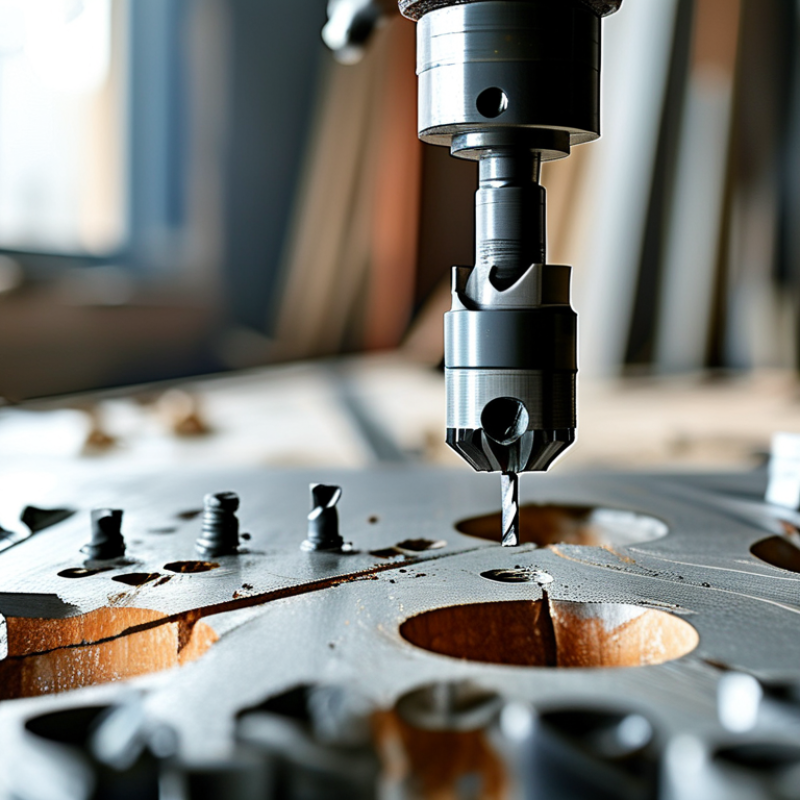
A holesaw bit is a specialized tool used for drilling large holes in a variety of materials. It comprises a cylindrical metal body with sharp teeth along its edge. This design allows it to cut efficiently through wood, plastic, and even soft metals. When working on projects like plumbing or electrical installations, a holesaw bit becomes essential for creating precise openings.
Choosing the right holesaw bit can be challenging. Factors like material type and hole diameter matter significantly. Always consider the thickness of the material you are drilling. A deep-cut holesaw might be necessary for thicker pieces but can be more difficult to use. Blade sharpness is another vital aspect. Dull blades lead to poor performance and increase the risk of accidents. Reflecting on the importance of maintenance is essential for safety and efficiency.
Boring holes with a holesaw requires attention and practice. Novice users can struggle with technique, leading to misaligned holes. It’s crucial to measure carefully and mark the drilling spot. Some might ignore these steps due to haste. This oversight can result in wasted materials and frustration. With experience, users learn the nuances of this tool, gaining confidence in their drilling abilities.
Holesaw Bit Size Distribution
Types of Holesaw Bits and Their Applications
Holesaw bits come in various types, each suited for specific applications. The most common are bimetal, carbides, and diamond-coated bits. Bimetal holesaws are versatile, working well on wood, plastic, and metal. Their design combines flexibility and durability, making them an excellent choice for general tasks. Carbide-tipped bits excel in cutting tough materials, like tile and concrete. They maintain sharpness longer, but can be more brittle than other types. Diamond-coated holesaws are ideal for precision work on hard surfaces.
When choosing a holesaw bit, consider the material you will be cutting. Different materials require different tooth designs. For softer materials, a standard tooth pattern will work fine. However, harder materials may benefit from a finer tooth structure for a smoother finish. Selecting the right size is also critical. Always check the diameter to ensure a proper fit for your project.
Tip: Inspect the holesaw for build quality. A robust design will endure tougher jobs, reducing wear and tear.
Additionally, keep in mind the depth of the cut required. If you need to cut through thick materials, a deeper holesaw will be necessary.
Tip: Practice on scrap material before starting your main project. This can help identify any issues in technique or tool performance.
Factors to Consider When Choosing a Holesaw Bit
When selecting a holesaw bit, several factors come into play. Diameter is crucial. A standard range is 3/4-inch to 6-inch. Larger diameters require more power and stability. A report from the Tool Manufacturers Association indicates that optimal sizes vary based on materials used. For instance, wood and metal holesaws differ significantly in design and tooth configuration.
Material choice is another critical aspect. High-speed steel (HSS) is common for softer materials, while carbide-tipped bits excel with tougher substances. Research shows that carbide-tipped bits can last up to five times longer than standard HSS. This durability translates into longer project timelines and cost savings, making the selection process essential.
Consider the application as well. Heavy-duty projects might demand a thicker wall construction to withstand stress. However, not every project needs the same level of robustness. A smaller, thin-walled hole saw is often sufficient for casual DIY tasks. It's essential to assess context carefully, as misjudgments can lead to project delays or wasted resources. Balancing needs with available options requires thoughtful analysis and experience.
What is a Holesaw Bit and How to Choose the Right One? - Factors to Consider When Choosing a Holesaw Bit
| Holesaw Bit Type | Material | Typical Use | Diameter Range | Max Cutting Depth |
| Bi-Metal Holesaw | HSS (High-Speed Steel) | Wood, Metal, Plastic | 14mm - 210mm | 38mm |
| Carbide Tipped Holesaw | Carbide | Hard Materials (Ceramic, Masonry) | 16mm - 150mm | 40mm |
| Diamond Grit Holesaw | Diamond Coated | Tile, Glass, Stone | 20mm - 100mm | 30mm |
| Wood Holesaw | Carbon Steel | Soft Wood, Plywood | 16mm - 300mm | 50mm |
Guide to Properly Using a Holesaw Bit
Using a holesaw bit can enhance your drilling projects significantly. However, proper usage is crucial for optimal results. Before starting, ensure you have the correct bit size for your task. Measure the diameter of the hole you need carefully. A bit that's too large can damage your material, while one that's too small will not achieve the desired effect.
When using the holesaw bit, keep steady pressure and maintain a straight drill angle. This prevents binding or damage to both the bit and the workpiece. Start with a slower speed to avoid overheating. If you're working with thicker materials, a lubricant might help reduce friction and extend the lifespan of the bit. Take breaks if you notice excessive heat.
Don’t overlook safety. Always wear protective eyewear and gloves. Debris can fly during drilling, posing risks. After completing your work, check the holes for smoothness. If they’re rough, a bit of sanding can help refine the edges. A little patience goes a long way in achieving clean results. Properly storing your holesaw bits will also ensure they remain sharp and reliable for future projects.
Maintenance Tips for Longevity of Holesaw Bits
Holesaw bits are essential tools for cutting precise holes in various materials. Their longevity directly depends on how well they are maintained. Proper care can extend the life of these tools significantly.
To ensure your holesaw bits last longer, clean them after each use. Removing debris and residue prevents rust and keeps cutting edges sharp. It’s essential to store them properly, too. Avoid damp areas where moisture can lead to corrosion. Additionally, check for wear and damage regularly. If a bit starts to lose its sharpness, it’s better to replace it than risk damaging your workpiece.
When using these bits, apply consistent pressure. Overworking them can cause overheating, leading to faster wear. Avoid forcing the bit through tough materials, which can lead to breakage. Listen for unusual sounds while cutting; they can indicate that the bit needs attention. With these simple maintenance tips, you can improve the lifespan of your holesaw bits and enhance your overall efficiency.