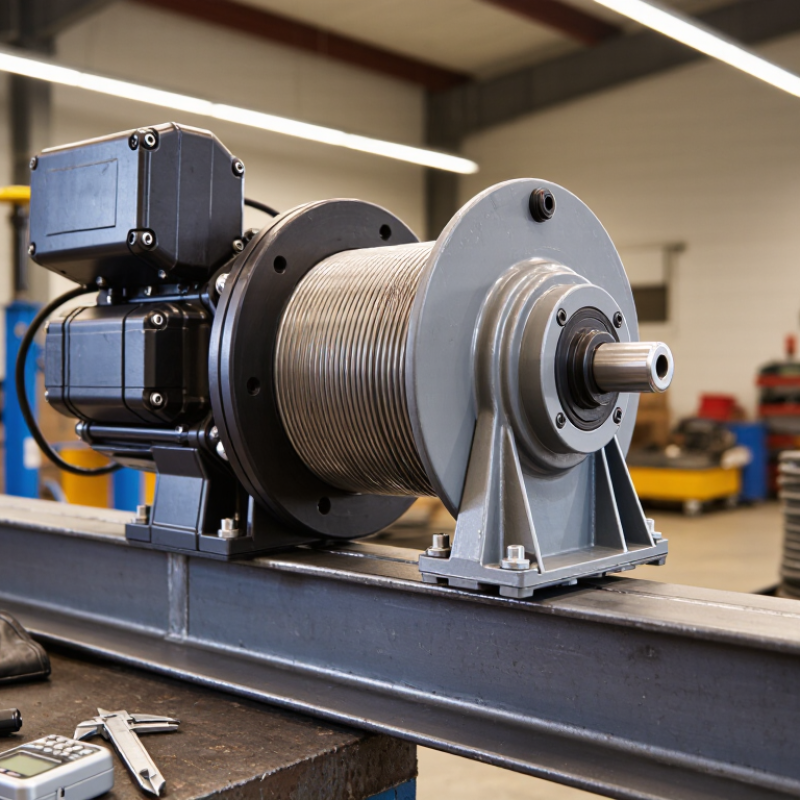
| Power source | 12 V DC | Many light- and medium-duty vehicle installations with a compatible 12 V electrical system. | Common vehicle voltage; can operate from a suitable vehicle battery and charging system. | Winches can draw very high current under load. Check the winch’s specified current demand, battery capacity, wiring size, connections, and duty cycle. |
| Power source | 24 V DC | Vehicles and equipment equipped with a compatible 24 V electrical system. | For the same electrical power, a higher system voltage generally requires less current than a lower voltage. | Use only with a matching 24 V system. Confirm the battery arrangement, charging system, control components, and manufacturer’s wiring requirements. |
| Power source | AC mains | Workshop, garage, or other stationary applications with a suitable mains supply. | Does not rely on a vehicle battery; may suit repeated stationary pulling when the winch is rated for the intended duty. | Check supply voltage, circuit capacity, plug or hard-wiring requirements, and duty rating. Outdoor use requires equipment and connections suitable for the environment. |
| Mounting style | Fixed plate or frame mount | Regular use on a vehicle, trailer, or stationary structure. | Provides a dedicated installation and can offer a direct, stable load path when properly engineered. | Verify the mounting pattern, fasteners, backing structure, clearance, and load ratings. The supporting structure must withstand the expected forces. |
| Mounting style | Removable receiver mount | Users who need to move a compatible winch between approved receiver locations. | Allows the winch to be detached when not in use and shared between suitable mounting points. | Confirm receiver and mount ratings, secure retention, electrical connections, and the strength of each mounting point. A receiver rating alone does not establish the capacity of the complete setup. |
| Mounting style | Portable mounting plate or base | Occasional pulling where a permanent installation is not practical. | Can be stored separately and positioned for different jobs when a properly rated anchor is available. | Requires a secure anchor and stable setup. Never rely on an unverified attachment point, and keep people clear of the loaded line. |
| Cable type | Steel wire rope | Applications where abrasion resistance and tolerance of rough contact are priorities. | Generally resists abrasion well and tolerates more contact with surfaces than synthetic rope. | Can develop sharp broken wires, kinks, or corrosion. Inspect regularly, wear gloves when handling, and follow the specified drum-winding procedure. |
| Cable type | Synthetic rope | Applications where lower line weight and easier handling are useful. | Lighter and more flexible to handle than steel wire rope of comparable use. | Protect from abrasion, cutting, chemicals, and excessive heat, including heat near the drum. Inspect for damage and use a compatible fairlead and protective sleeve as required. |
| Capacity and safety | Check the rated line pull and complete setup | Every winch purchase and installation. | Helps match the winch to the load and intended pulling task. | Compare the rated line pull with the planned load and operating conditions; line pull can vary by drum layer. Use only for pulling unless the winch is specifically certified for lifting. Follow the manual and use rated accessories. |